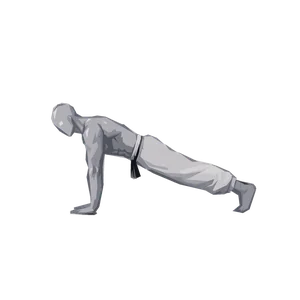
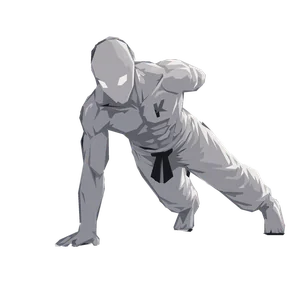
Element preview
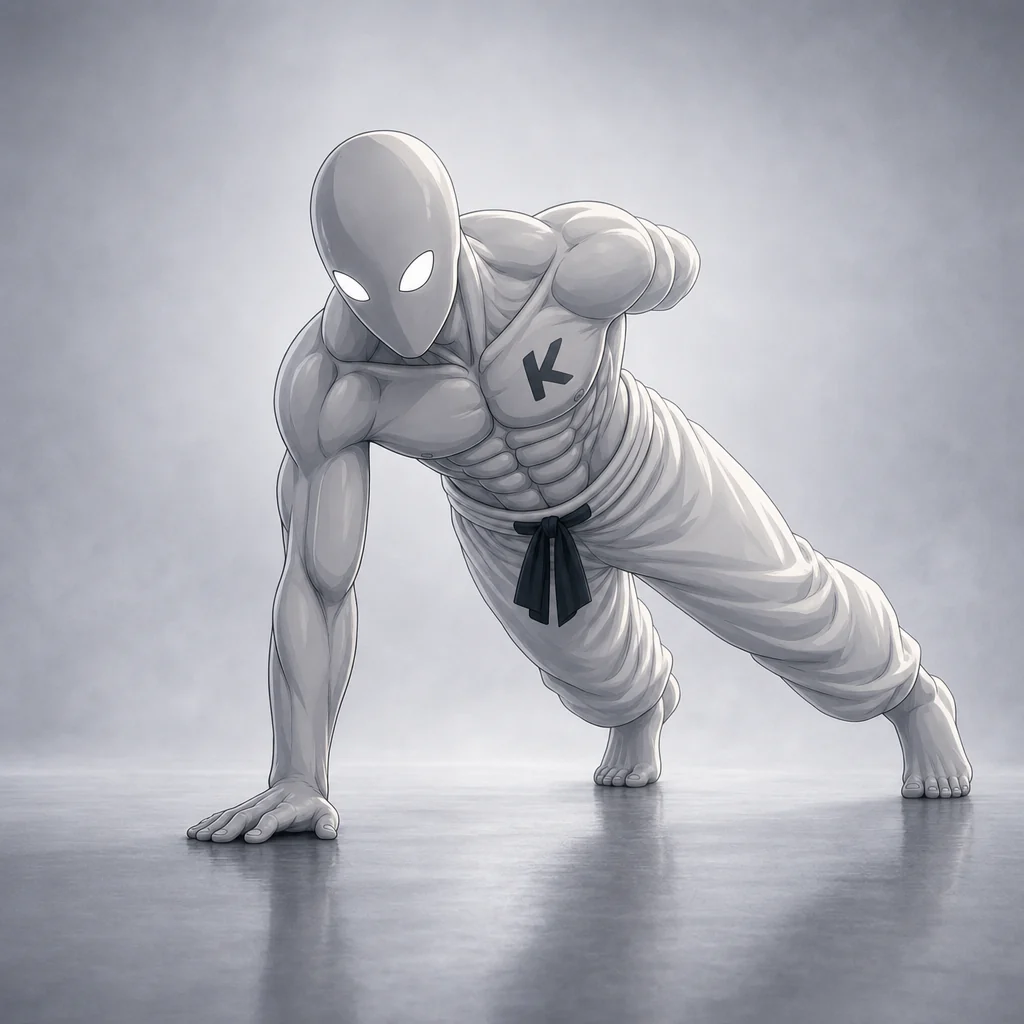
The one-arm plank is a three-point high-plank hold: both feet remain on the floor while one straight arm supports the upper body and the other hand leaves the floor. Removing one hand narrows the base of support and creates a rotational challenge, so the trunk must stay rigid while the supporting shoulder manages more of the upper-body load.
This is a controlled isometric skill. The aim is not to lean as far as possible or survive a long timer; it is to establish the one-arm position without letting the chest, pelvis, or spine change shape.
Technique
- Start in a high plank with your hands under your shoulders, legs straight, and feet set wider than shoulder width. Brace your abdomen, squeeze your glutes and thighs, and make one long line from head to heels.
- Shift your torso and pelvis toward one hand until the other hand feels light. Keep the supporting arm straight, press the floor away, and keep the supporting shoulder organized over the hand.
- Lift the light hand slowly and place it on the same-side hip. Keep your chest and pelvis facing the floor rather than rolling open.
- Breathe steadily while maintaining a firm brace. End the hold if the hips sag, pike, or rotate, or if the supporting shoulder collapses toward the floor.
- Replace the free hand gently, regain a symmetrical high plank, and repeat for the same duration on the other arm.
Preparation
Equipment and conditions
- A firm, flat, non-slip floor with enough clear space for a full high-plank position.
- No equipment is required.
- Begin only after you can hold a stable two-arm high plank without pain or loss of trunk alignment.
First develop a clean two-arm plank: hands under the shoulders, legs straight, and trunk held in one line while you continue to breathe. Then rehearse the one-arm transition without rushing it:
- Widen the feet to make the base more stable.
- Shift weight from side to side while both hands remain in contact with the floor.
- Progress to briefly floating one palm, then place the hand back before the hips turn.
- Practice both sides for the same quality and duration.
The free hand should become light because the body has shifted over the supporting arm. Lifting it abruptly before that shift usually creates avoidable rotation.
Risks
A one-arm plank concentrates upper-body support through one straight arm. Build the hold gradually and stop the set if the supporting shoulder collapses, the elbow bends, or you can no longer keep the trunk aligned. Return the free hand to the floor under control rather than twisting or dropping out of the position.
Keep the wrist under the shoulder and use a firm, non-slip surface. Stop if the exercise causes sharp or increasing pain in the wrist, shoulder, or lower back. Persistent pain or loss of motion warrants assessment by a qualified healthcare professional.
Muscles
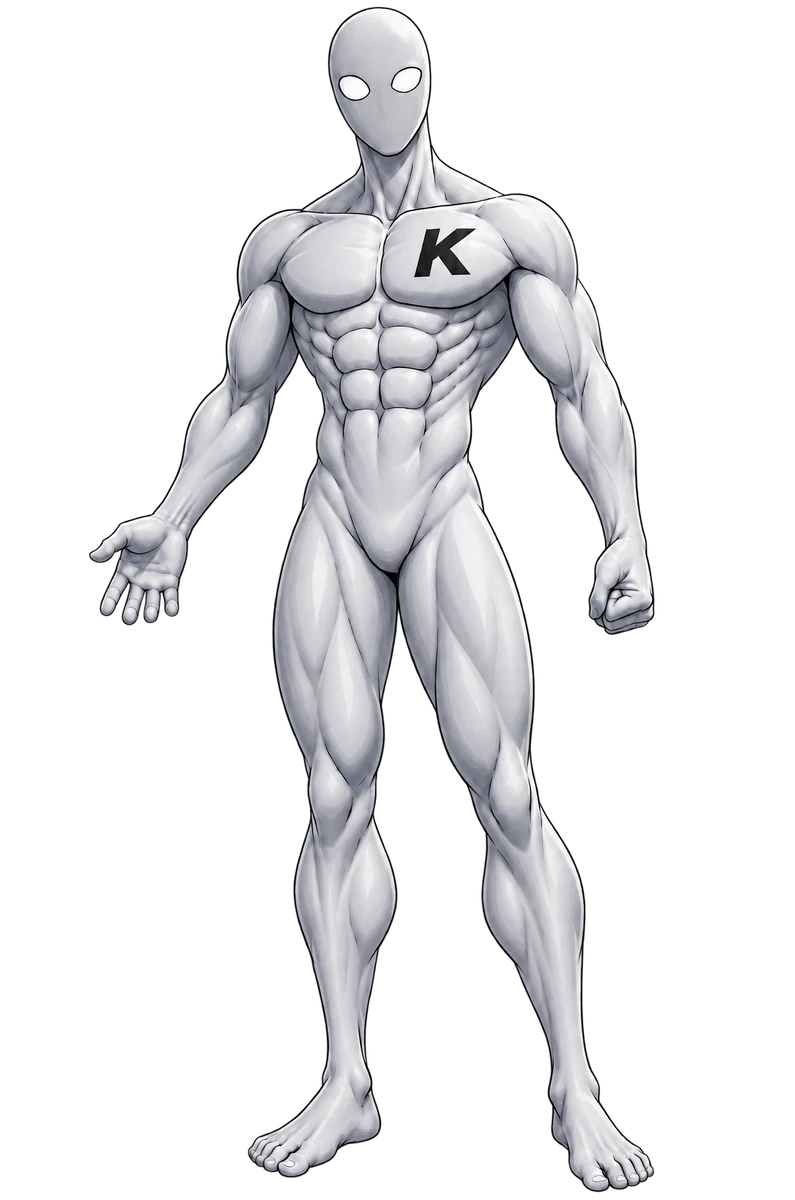
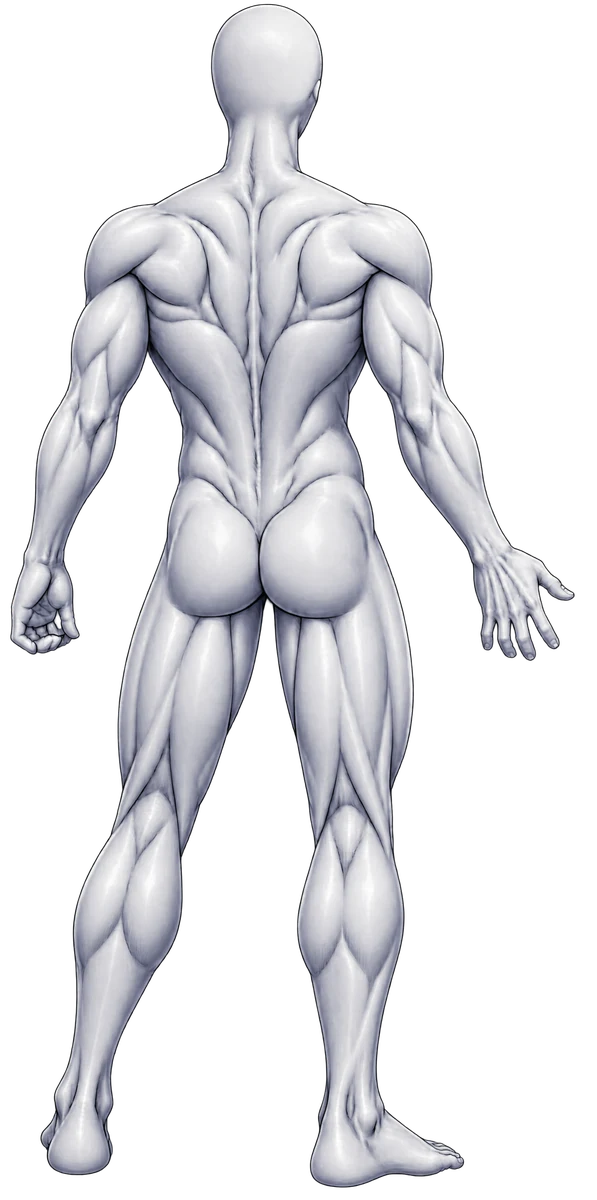
The abdominal wall provides the main anti-extension and anti-rotation effort, while the glutes and quadriceps help keep the pelvis and legs connected to the trunk. On the supporting side, the shoulder and scapular muscles organize the arm against the floor and the triceps maintain elbow extension. The hand and forearm distribute pressure at the base of support; the chest and lower-back muscles contribute as stabilizers rather than prime movers through a range of motion.
Stats
- Strength
- 0.00
- Control
- 0.00
- Balance
- 0.00
- Endurance
- 0.00
- Mobility
- 0.00
- Power
- 0.00
Strength is primary because the trunk and one supporting arm sustain an isometric body-weight load. Control is the strongest secondary quality: the athlete must resist sagging, piking, and rotation while transferring weight onto one hand. Balance also rises above a standard plank because one contact point has been removed. Endurance matters as the hold continues, while power and mobility contribute little to the strict version.
Completion criteria
Hold the strict position for 15 seconds on each arm with the supporting hand under the shoulder, the elbow straight, the chest and pelvis facing the floor, and an unbroken line from head to heels. Enter and leave each side under control and keep breathing throughout.
Progression thresholds
- Lower threshold
- 5 s
- Upper threshold
- 20 s
Use the thresholds as coaching checkpoints rather than universal standards. A clean 20-second hold per arm is enough to begin exploring harder anti-rotation plank variations or longer-lever reaches. If 5 seconds cannot be held without rotation or shoulder collapse, return to two-hand weight shifts and brief palm floats until the same body line is repeatable.