The wall pseudo planche push up takes the narrow, tucked hand position of the pseudo planche push-up and moves it onto turned-out rings, using a wall behind you to lightly support the feet while the torso inclines forward over the hands. That wall contact lets you rehearse a real forward-leaning, straight-arm-biased pressing position — the same weight shift trained in the planche lean — without asking the shoulders to control the entire lean unsupported. It sits directly beneath the ring wall Maltese push-up in this tree, sharing the same wall-assisted setup but with the arms tucked narrow instead of spread wide, so it works as the bridge between turned-out ring pressing and the wide-arm ring planche family.
Technique
- Hang a pair of rings at a height that lets you rest your feet lightly against a wall behind you while your torso inclines forward over your hands; start with a smaller lean angle (rings higher, feet lower on the wall) and work toward a deeper lean over sessions.
- Grip the rings and press to a straight-arm support with a narrow, tucked hand position — the rings sit close to the ribs or hips rather than at a standard push-up width. Protract and depress the shoulder blades and brace a rigid line from shoulders to heels.
- Turn the rings outward the same way as in a turned-out ring push up, then shift your weight forward by leaning the shoulders past the line of the hands, letting the feet take light, steady contact with the wall to help hold the angle rather than to push off it.
- Bend the elbows and lower under control, tracking them back close to the torso instead of flaring out, while keeping both the forward lean and the ring turnout through the descent.
- Press back up to full lockout along the same forward-leaned path, keeping the shoulders ahead of the wrists and the feet in light, not forceful, contact with the wall throughout the rep.
- Reset so the rings are level and still, and re-confirm scapular depression before starting the next repetition. Stop the set if the lean angle collapses, the rings start swinging, or the feet begin actively pushing off the wall.
Preparation
Equipment and conditions
- A matched pair of gymnastic rings on adjustable straps, hung at a height that lets the feet rest lightly against a wall behind you while leaning forward over the hands.
- A flat, clear wall section positioned behind the rings for light foot contact, with a nonslip floor area beneath.
- Comfortable turned-out ring pressing (as in the ring turned-out push-up) and a controlled forward lean (as in the planche lean) before adding the wall-assisted narrow pseudo-planche position.
The locked prerequisite is the rings turned-out push-up: before adding the wall and the forward lean, you should be able to perform a full set of turned-out ring push-ups with the rings staying level and quiet and no hip sag. From there, this drill borrows its forward-lean mechanics directly from the planche lean and its narrow hand placement from the pseudo planche push-up — comfort with both of those on stable ground makes the ring-and-wall combination far easier to control, since the added instability of the rings is the only genuinely new variable.
Risks
Combining the forward lean with turned-out rings loads the wrists in extension and the shoulders in external rotation at the same time, more than either the pseudo planche push-up or the turned-out ring push-up alone; build lean depth and rotation range gradually and warm up both joints beforehand. The wall is meant to lightly steady the lean angle, not to be pushed off — resting significant weight on it or using it to launch the press turns this into a different, easier movement and blunts its carryover to unsupported ring planche work. Losing scapular depression (the shoulders creeping up toward the ears), letting the elbows flare instead of tracking back, or allowing the lean to collapse partway through a rep are the most common breakdowns, and they shift stress toward the front of the shoulder. As with the planche lean and ring planche progressions this drill builds toward, persistent wrist, elbow, or shoulder pain warrants easing off the range and, if it does not resolve, assessment by a qualified healthcare professional.
Muscles
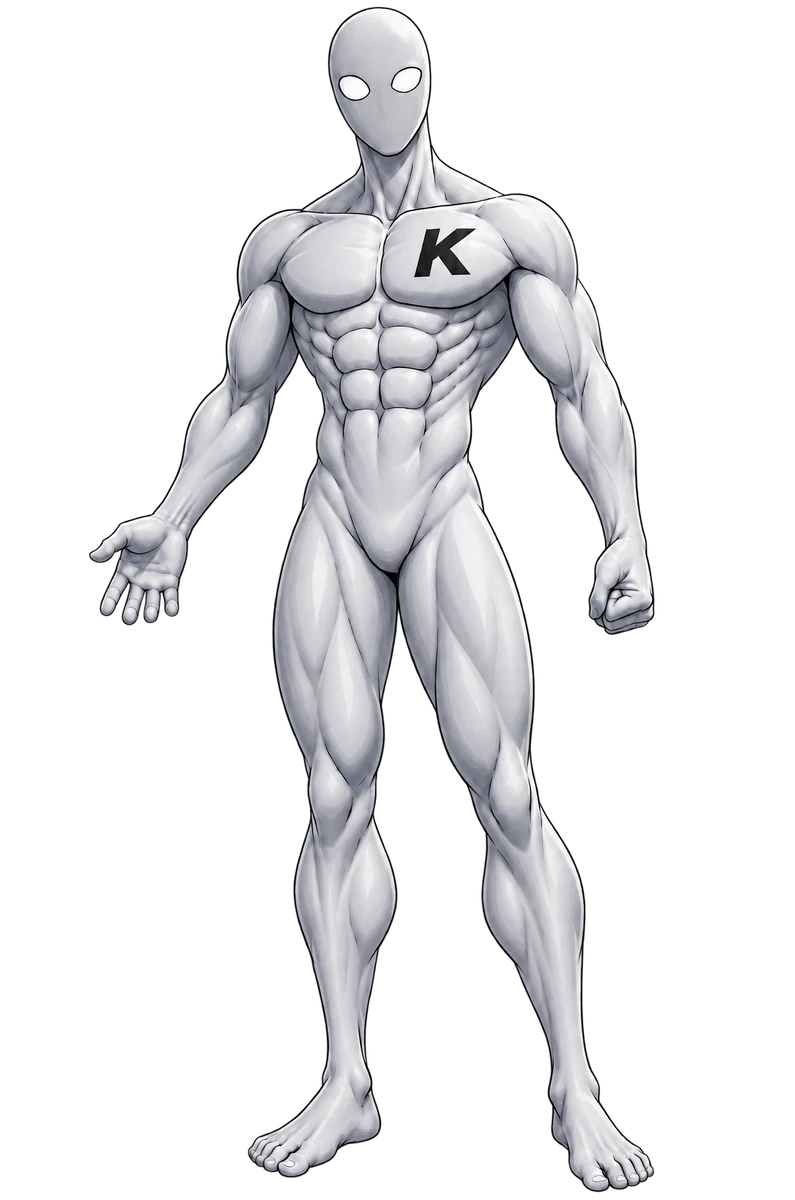
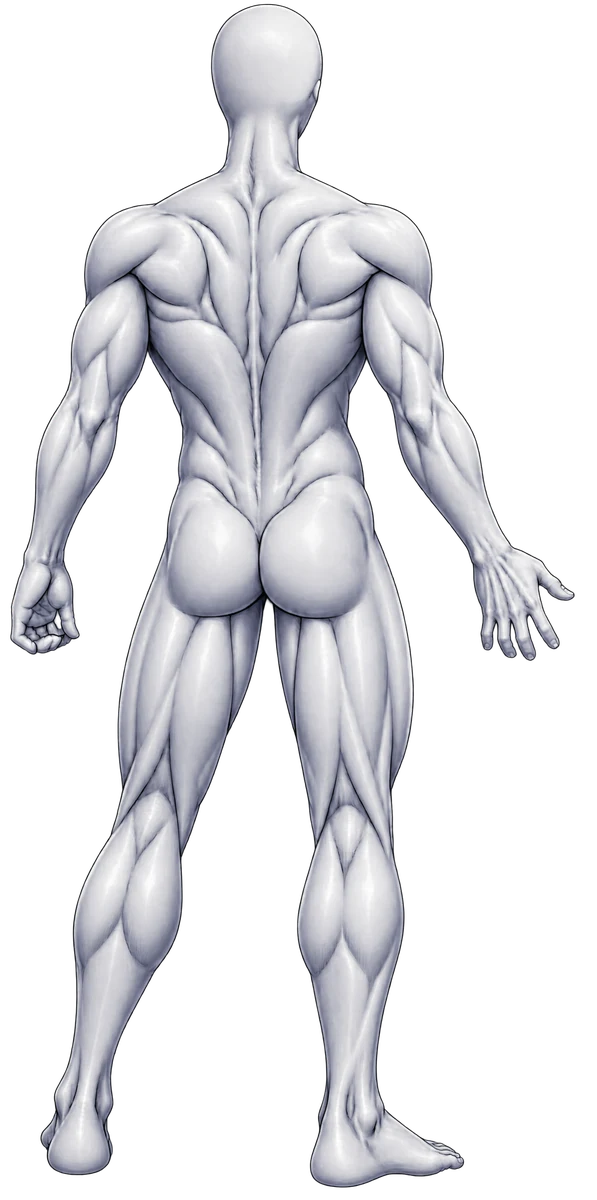
The forward lean concentrates more of the pressing load onto the anterior shoulders than a standard or even turned-out ring push-up, so shoulder involvement is rated above its already-high value on the turned-out ring push-up, while the chest and triceps continue to share the prime-mover role in a slightly reduced capacity because the wall offsets part of the bodyweight moment. The core braces hard to hold the straight-body line under the shifted, ring-supported load, the trapezius controls scapular protraction and depression through the rotation and the lean, and the forearms and hands manage both the active ring turnout and a meaningful wrist-extension load from the lean — closer to the demand seen in the planche lean than in an ordinary ring push-up. The lower back and glutes provide secondary support keeping the hips from sagging or piking as the feet make light contact with the wall. These figures are a calibrated biomechanical estimate, not a source-measured breakdown for this exact drill: no book excerpt or study covers the wall-assisted pseudo planche push-up specifically, so the percentages are set by comparison with the in-repo rings turned-out push-up, pseudo planche push-up, and planche lean, kept below the wide-arm ring wall Maltese push-up further up this tree.
Stats
- Strength
- 0.00
- Control
- 0.00
- Balance
- 0.00
- Mobility
- 0.00
- Endurance
- 0.00
- Power
- 0.00
Strength stays the dominant quality, matching the level set on the rings turned-out push-up and the ring wall Maltese push-up on either side of it in this progression. Control is the clear secondary quality — holding the forward lean, the ring turnout, and light, non-bouncing wall contact simultaneously is largely a control problem layered on top of raw pressing strength. Balance is a meaningful tertiary factor, since the wall only partially stabilizes the lean and the rings can still swing, while mobility, power, and endurance play smaller supporting roles given the moderate rep range and controlled tempo this drill is trained at.
Completion criteria
Perform roughly 8 controlled reps with the rings turned out and the hands tucked narrow near the hips, the feet only lightly touching the wall rather than pushing off it, the shoulders visibly ahead of the wrists throughout, and a straight-arm lockout with no elbow flare or hip sag at the top of each rep.
Progression thresholds
- Lower threshold
- 3 reps
- Upper threshold
- 8 reps
This 8-rep, in-and-out-of-3-rep threshold mirrors the product calibration already used on the rings turned-out push-up and the ring wall Maltese push-up directly above it in this tree, rather than a sourced physiological standard for this specific wall-assisted drill. Once 8 clean reps are possible with the lean held throughout, the rings staying quiet, and only light foot contact with the wall, it is a reasonable time to begin layering in the wide-arm spread of the ring wall Maltese push-up. If reps break down before about 3 — the lean collapsing, the rings swinging, or the feet pushing off the wall — return to strict rings turned-out push-ups and rebuild the forward lean on the planche lean before revisiting this drill.