Element preview
Preview · 0:06
A short look at the whole element in motion.
This is an overview clip, not a technique reference — the form in it may be imperfect. Follow the steps in Technique.
The vertical flag is the entry point into the flag family: the same opposing push-pull grip on a vertical pole used by the tuck and full human flag, but with the body kept close to the pole's vertical line instead of swung out horizontally. Because gravity has far less leverage on a body that stays near-vertical than on one held sideways at a right angle, this version trades most of the lateral-core and shoulder-torque demand of the full flag for a more approachable way to learn the grip and the push-pull arm setup before the hips are lifted into a more horizontal position.
Technique
- Grip a vertical pole or the upright section of a pull-up bar with the top hand in a pronated (overhand) grip at roughly head height, and the bottom hand about hip-width lower in a supinated or neutral grip, both hands in line along the same vertical axis.
- Walk the feet away from the base of the pole while leaning the torso back, keeping the body aligned along the pole rather than swung out perpendicular to it — the body stays close to vertical, with the feet low or just off the ground.
- Push the top arm away from the pole while pulling the bottom arm in toward it, the same opposing push-pull action every flag variation uses to stay suspended sideways; because the body is still close to the vertical support line, the arms can stay slightly bent rather than needing a full locked-out straight-arm lockout.
- Brace the core and keep the body in one straight line from shoulders to feet, pressing the legs together rather than letting them drift apart or swing.
- Hold the position with the feet low, focusing on keeping the hips from sagging toward the pole and the grip from slipping, before attempting to lift the feet higher or tuck the knees toward a more horizontal position.
- Lower back down under control rather than dropping out, and train both grip orientations (top hand left vs. right) evenly.
Preparation
Straight-arm pulling strength from movements like the hanging leg raise to toes-to-bar builds the shoulder and core tolerance for holding tension on a vertical grip before adding any sideways lean. Comfort hanging and pulling with each hand in both overhand and underhand grips also helps, since the flag grip is asymmetric — one hand pulls in while the other pushes away — and most people find one arrangement noticeably easier at first.
Risks
The vertical orientation keeps the torque on the shoulders and spine much lower than in the tuck or full flag, but the straight-arm push-pull setup still loads the pushing-side shoulder and the pulling arm's wrist and elbow, so avoid this hold with an unresolved shoulder, elbow, or wrist issue. The most common faults are letting the hips sag toward the pole as the grip fatigues and rounding the shoulders forward instead of actively pushing and pulling, both of which signal the set is over — stop rather than forcing a collapsing hold. Grip slipping is the main practical risk at this stage; keep the feet low enough to step down safely and avoid training the vertical flag on wet or overly smooth poles.
Muscles
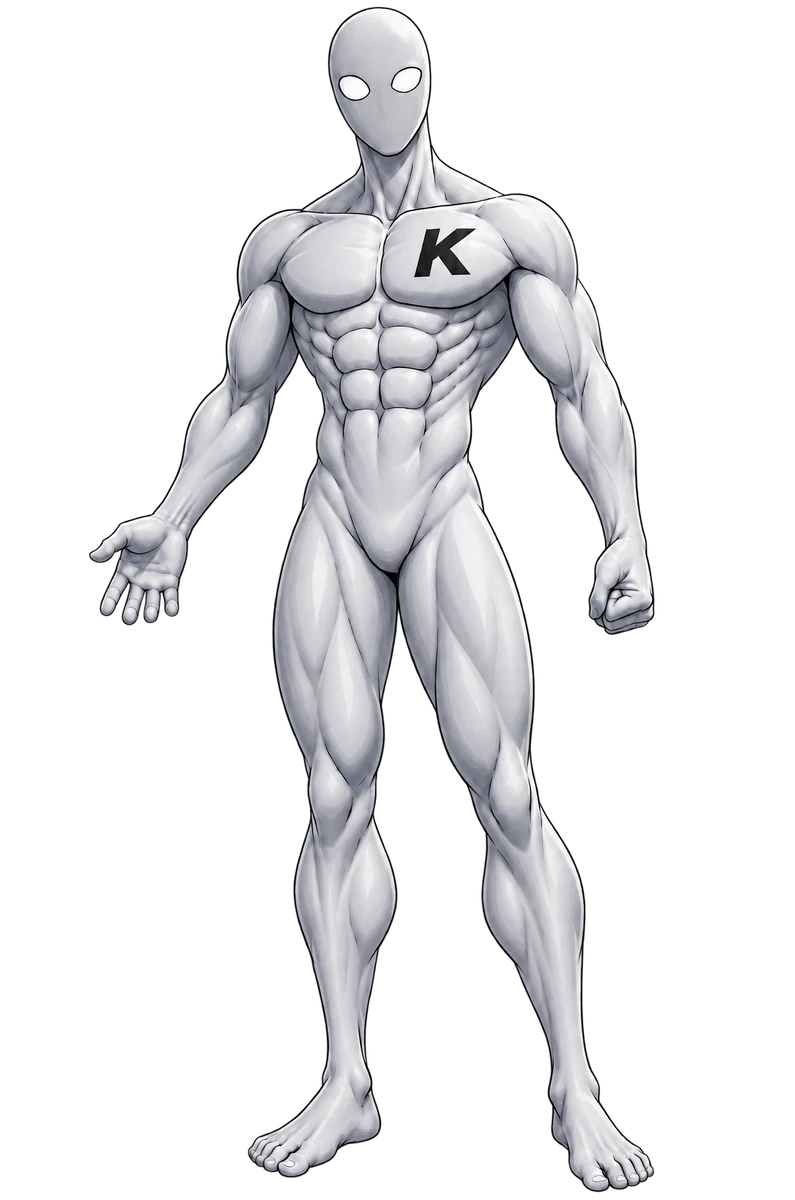
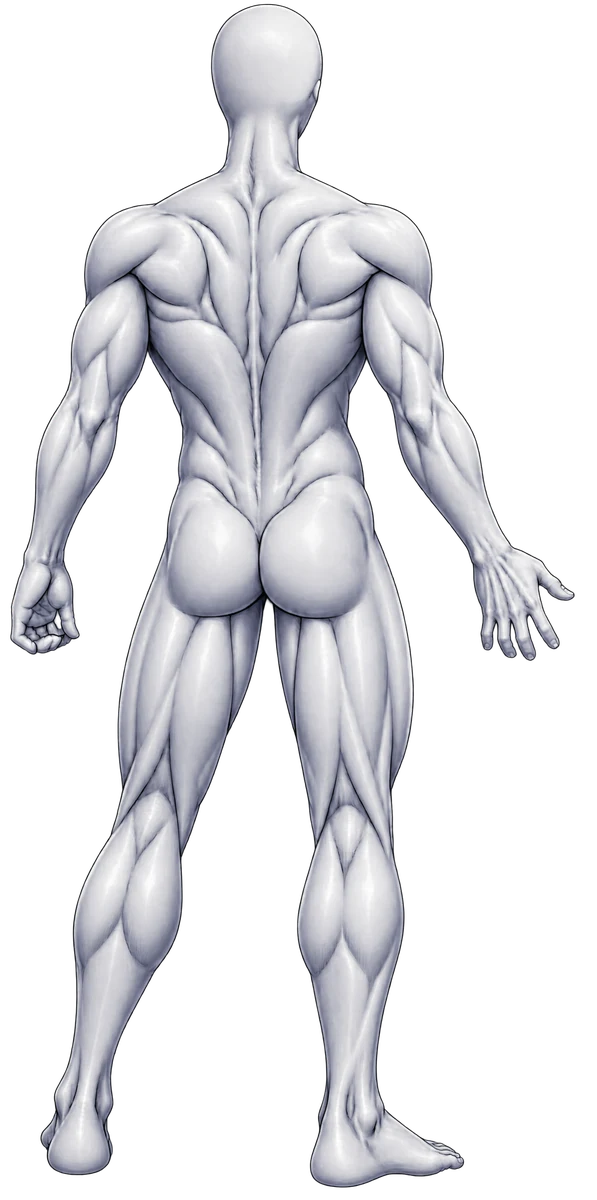
The core works isometrically to keep the torso rigid and resist any sideways sag, though with less demand than in the tuck or full flag since the body stays close to the vertical support line. The latissimus dorsi and shoulders anchor the two arms in their opposing push-pull roles, while the forearms and hands work hard just to maintain a firm vertical grip through the hold. The biceps assist the pulling arm more here than in the straight-arm full flag, since the arms can stay slightly bent at this stage, and the triceps and lower back provide secondary support to the pushing arm and the trunk.
Stats
- Strength
- 0.00
- Control
- 0.00
- Endurance
- 0.00
- Balance
- 0.00
- Mobility
- 0.00
- Power
- 0.00
Strength still leads, since holding tension through a push-pull grip against bodyweight is the core task, but the demand is lighter than in the full flag because the vertical alignment removes most of the lateral leverage. Control is the clear secondary factor, since the skill is about keeping the grip and body line steady rather than moving quickly, with endurance playing a supporting role in sustaining the hold. Balance, power, and mobility are minor at this stage — balance in particular is lower than in the sideways flag variations, since staying close to the pole's vertical line is inherently more stable than hanging perpendicular to it.
Completion criteria
Perform several controlled reps of pulling into the vertical flag position — feet low, body aligned along the pole, hips level and not sagging — and lowering back down under control, holding briefly at the top of each rep on both sides before moving on to tucking the knees toward the tuck human flag.
Progression thresholds
- Lower threshold
- 4 reps
- Upper threshold
- 10 reps
Once controlled reps of pulling into and briefly holding the vertical flag are consistent for 10 or more clean attempts on both sides, there is enough grip and shoulder tolerance to begin tucking the knees toward the chest and working the tuck human flag. If a session drops below 4 clean reps, or the grip or hip line cannot be held steady, spend more time on straight-arm pulling work and grip conditioning before retrying.