Element preview
The tuck-up crunch is a beginner floor drill that combines trunk flexion with hip flexion: the torso curls up off the floor at the same time the knees pull in toward the chest, meeting in a compact tucked position. Because it loads the abdominals from both ends at once, it sits between simple trunk-only crunches and full hanging leg-raise work in a core progression, and is a common gymnastics-style entry point for learning to flex the spine and control the pelvis together before training that combination under load or in the air.
Technique
- Lie on your back with arms extended overhead and legs straight, low back relaxed on the floor.
- Brace the core and curl the trunk up while simultaneously pulling the knees in toward the chest, sweeping the arms down to wrap around the shins.
- Finish in a compact tucked position balanced on the sit bones, without letting your hands or feet touch the floor.
- Reverse under control back to the starting position — do not let the lower back slam into the floor.
- Reset without a dead pause so tension stays on the abs between reps.
Preparation
Set up so the whole spine — not just the neck — does the curling. A common fault is initiating the rep by craning the head and shoulders forward while the hips stay pinned to the floor; instead, brace the abs first and let the trunk and knees travel toward each other at roughly the same rate.
Risks
The main technical risk is substitution, not acute injury: throwing the trunk up with a shoulder kip or yanking the knees in with the hip flexors instead of curling with the abs reduces the training effect and can aggravate tight hip flexors. Keep the lower back from slamming into the floor on the descent, and stop the set once fatigue turns clean reps into a half-range swinging motion.
Muscles
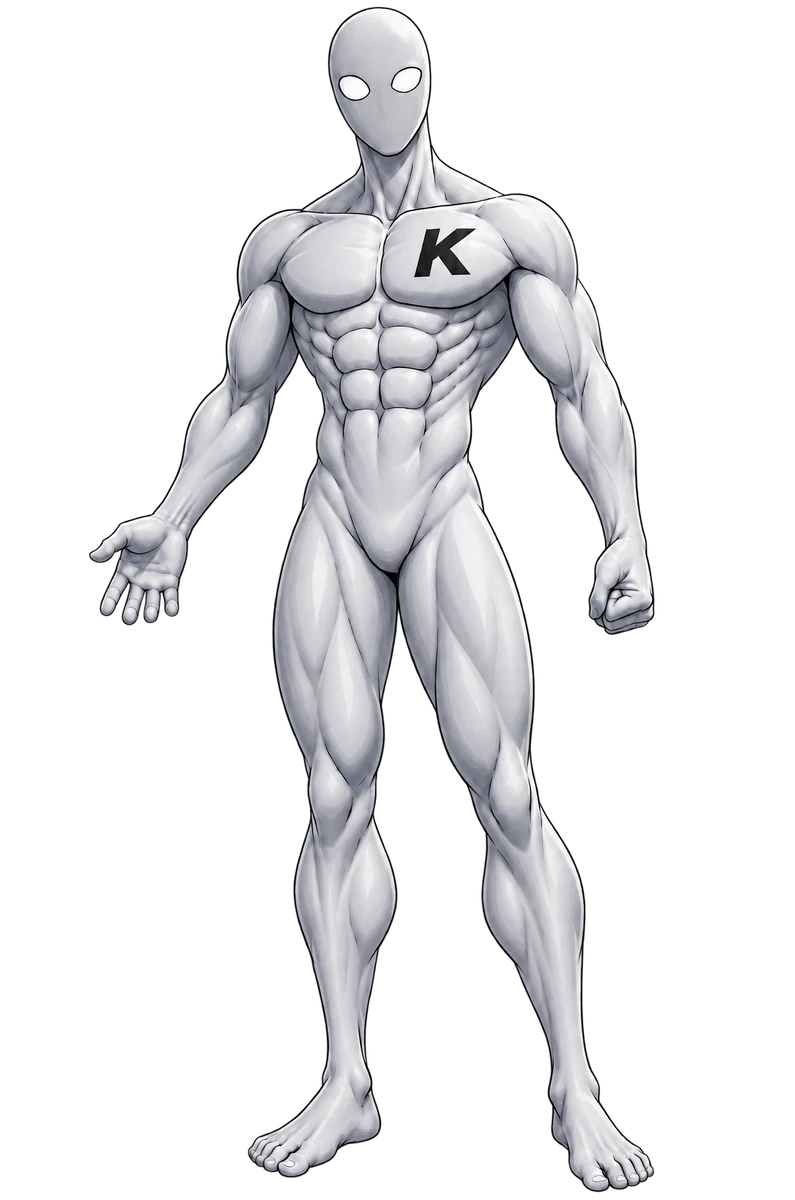
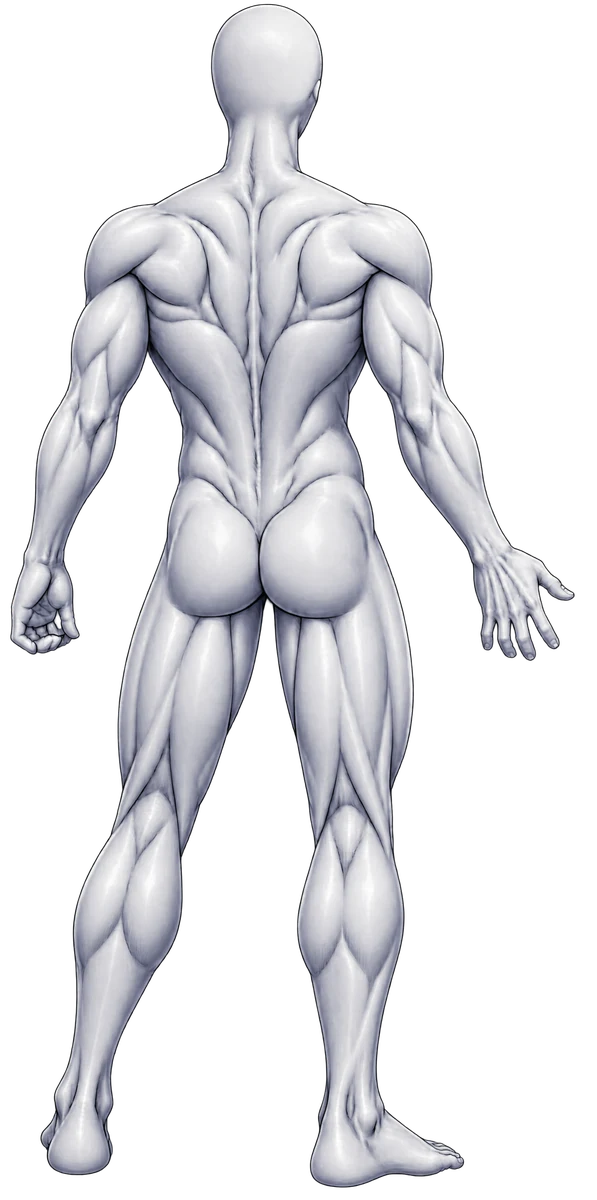
Combining trunk flexion with hip flexion recruits the rectus abdominis across its full length rather than biasing the upper segment the way an isolated crunch does, which is why the abs are the clear primary mover here. The hip flexors (grouped under quadriceps) do real work pulling the knees toward the chest, and the lower-back muscles act as stabilizers, controlling the eccentric lowering back to the floor rather than letting the trunk drop.
Stats
- Strength
- 0.00
- Endurance
- 0.00
- Control
- 0.00
- Power
- 0.00
- Balance
- 0.00
- Mobility
- 0.00
This is a strength-dominant, rep-based drill: repeated sets build muscular endurance in the abdominal wall alongside raw abdominal strength. Control is weighted higher than in a simple crunch because the exercise is easy to turn into a momentum swing, and a modest power component reflects the brisker, more explosive tempo of the curl-and-tuck compared to a slow isolated crunch.
Completion criteria
3 sets of 12 controlled reps, tucking fully to a balanced position each rep without using momentum or resting hands/feet on the floor between reps.
Progression thresholds
- Lower threshold
- 5 reps
- Upper threshold
- 12 reps
The rep thresholds are a product-calibration estimate rather than a measured standard, set below the simpler hyperextension pattern that precedes this movement and below the hanging leg raise that follows it in the tree. Once clean, momentum-free sets are consistent, the same combined trunk-and-hip-flexion pattern is ready to move to hanging variations such as the hanging leg raise to bar; if reps drop below a controlled 5 or start relying on a kip, regress to a slower isolated crunch or a supported knee tuck until control returns.