Element preview
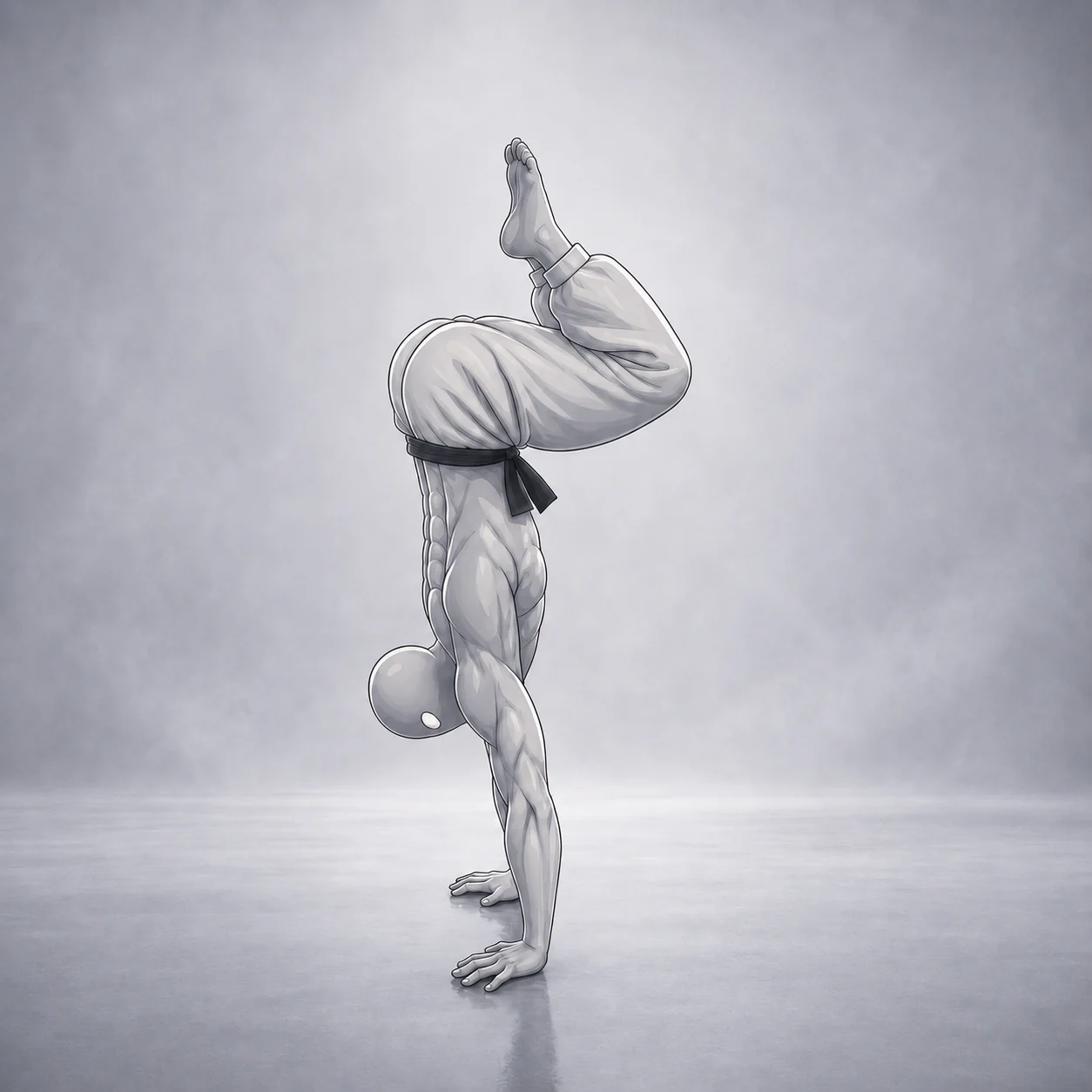
Preview · 0:06
A short look at the whole element in motion.
This is an overview clip, not a technique reference — the form in it may be imperfect. Follow the steps in Technique.
The tuck handstand takes the freestanding handstand hold and turns it into a pressing skill: instead of kicking up, the athlete presses the body from a low tuck on the floor directly into an inverted position using shoulder and arm strength. Keeping the knees drawn to the chest shortens the lever arm and makes the initial lift lighter than pressing with straight legs, which is why it is typically the first bent-arm press variation trainees learn on the way toward straddle and pike press-to-handstand work.
Technique
- Start in a low squat with the hands planted on the floor shoulder-width apart, knees drawn toward the chest and hips lifted, so the body is already in a compact tuck over the hands.
- Shift the weight forward onto the hands, bend the elbows slightly (no more than about 90 degrees), and lift the feet off the floor while keeping the knees pulled tight to the chest.
- Press the hips up and over the shoulders, using abdominal and hip-flexor compression to keep the tuck tight and controlled rather than letting the legs flop or drift.
- Once the hips stack over the shoulders, straighten the arms and continue pressing through the hands to finish stacked in a freestanding handstand, briefly sticking the tuck or extending the legs out to a full handstand.
- Reverse the press under control on the way down: re-tuck the knees to the chest and lower the feet back to the floor without dropping or arching the back.
Preparation
Before working on the tuck handstand press, make sure you can confidently perform:
- Freestanding handstand — at least a 30-second hold with only minor wrist corrections; without a solid handstand at the top, there is nothing to press into and no way to control the finish.
- Comfortable weight-bearing on bent arms in an inverted lean (e.g., a controlled crow stand or frog stand transitioning toward the hands), since the press begins with the elbows bent and the hips low.
- Baseline hollow-body and compression control, so the tuck stays tight and the hips can be driven up and over the shoulders instead of collapsing.
Because tucking the legs shortens the lever and lightens the first part of the press, it is the most forgiving entry into bent-arm press-to-handstand training — but it is a stepping stone. As pressing strength improves, the same bent-arm press should also be practiced from straddle or pike positions, since a press that only ever starts from a tight tuck does not fully transfer to the straighter-leg variations used further up the progression.
Risks
- Bending the elbows more than roughly 90 degrees during the press shifts excessive load onto the triceps and can cause the body to rotate out of control; keep the arm bend shallow and press through a stable base.
- Relying on the tuck for too long can become a crutch — the book notes that although tucking makes the entry easier, the position becomes less stable than straight legs once the legs start to extend, so treat it as an entry drill and progress toward straddle or pike press variants once the bent-arm press itself is solid.
- As with any press to handstand, there is a real risk of rolling or falling forward out of the position while learning; practice near a soft landing surface and rehearse a bail (forward roll or pirouette) before attempting full presses away from a wall.
Muscles
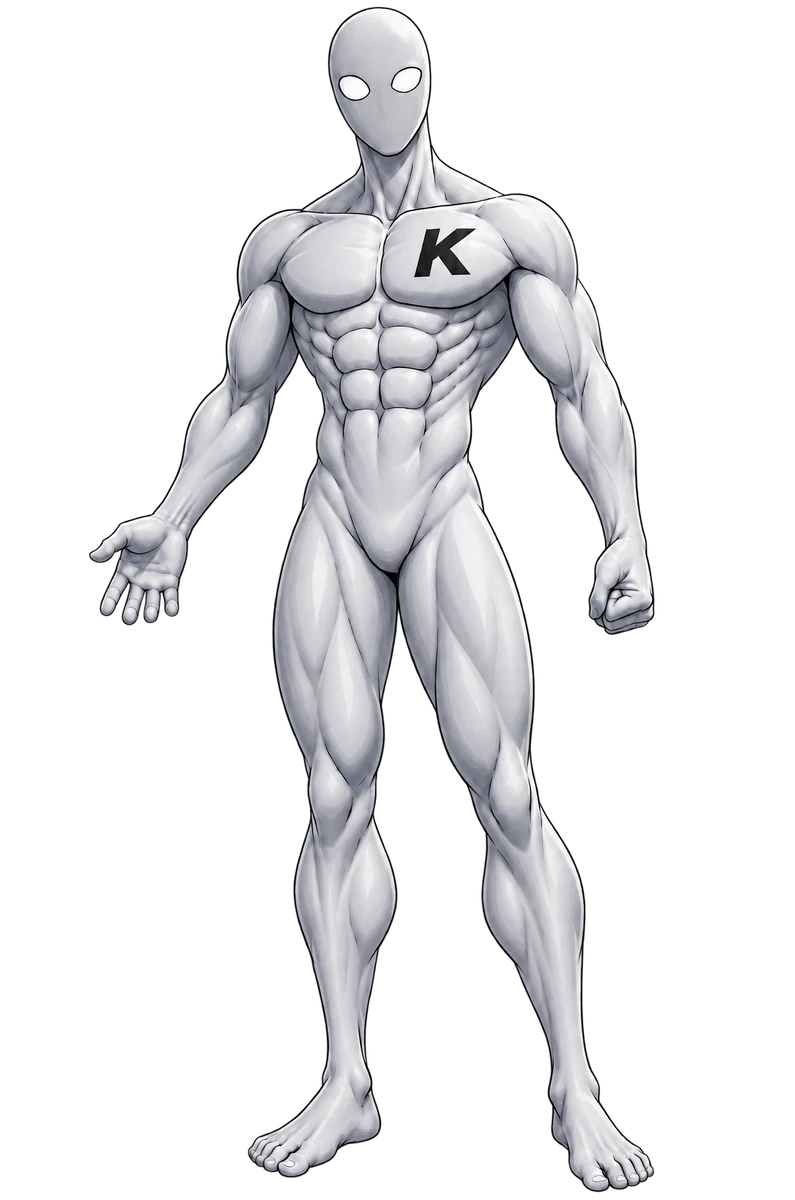
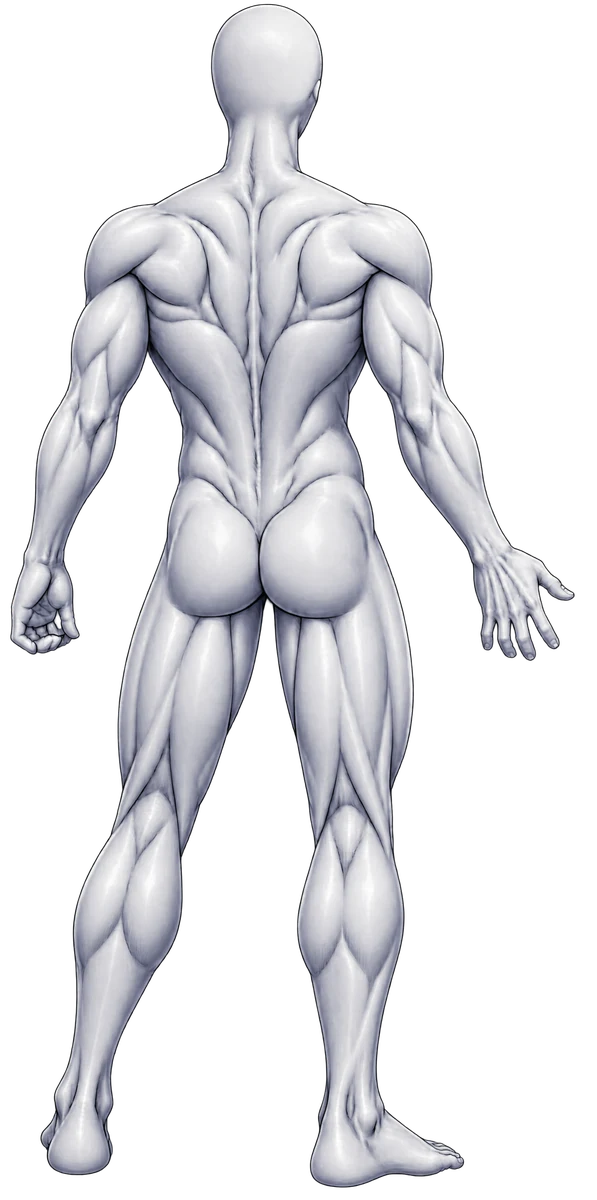
The shoulders do the majority of the work, driving the body from a bent-arm lean at the bottom of the press all the way to full elevation at the top, much as they do in a static handstand. The core and hip flexors work hard isometrically and concentrically to keep the tuck compact and to drive the hips up and over the shoulders — this compression demand is higher than in a static handstand hold, where the legs are already stacked and still. The triceps see more load than in a simple handstand hold because they are actively extending the elbow through the press rather than just locking it out. The trapezius elevates and stabilizes the scapulae as the body moves toward vertical, and the forearms and hands make the fine balance corrections once the press finishes and the handstand position is reached.
Stats
- Strength
- 0.00
- Control
- 0.00
- Balance
- 0.00
- Mobility
- 0.00
- Power
- 0.00
- Endurance
- 0.00
This is a strength-dominant movement: pressing the whole bodyweight from a low tuck to an inverted lockout demands considerably more pressing strength and control than simply holding a handstand that was kicked into. Balance still matters at the top of the press, but it plays a smaller role than in the static handstand itself, since most of the difficulty is generated during the pressing action rather than during the hold.
Completion criteria
Press from a low tuck into a freestanding handstand and stick a brief 2-second hold at the top, for 3 clean reps without stepping or falling out of the press.
Progression thresholds
- Lower threshold
- 2 reps
- Upper threshold
- 5 reps
Once tuck presses feel controlled and repeatable, the natural next steps are to hold the tuck handstand position longer before extending the legs, and to start practicing the same bent-arm press from a straddle or pike position — the tuck's shortened lever makes it the easiest entry, but straighter-leg presses are the ones that carry over to more advanced press-to-handstand and handstand push-up work. If the press is inconsistent or the tuck keeps collapsing, spend more time on the plain freestanding handstand hold and on bent-arm weight-bearing drills before returning here.