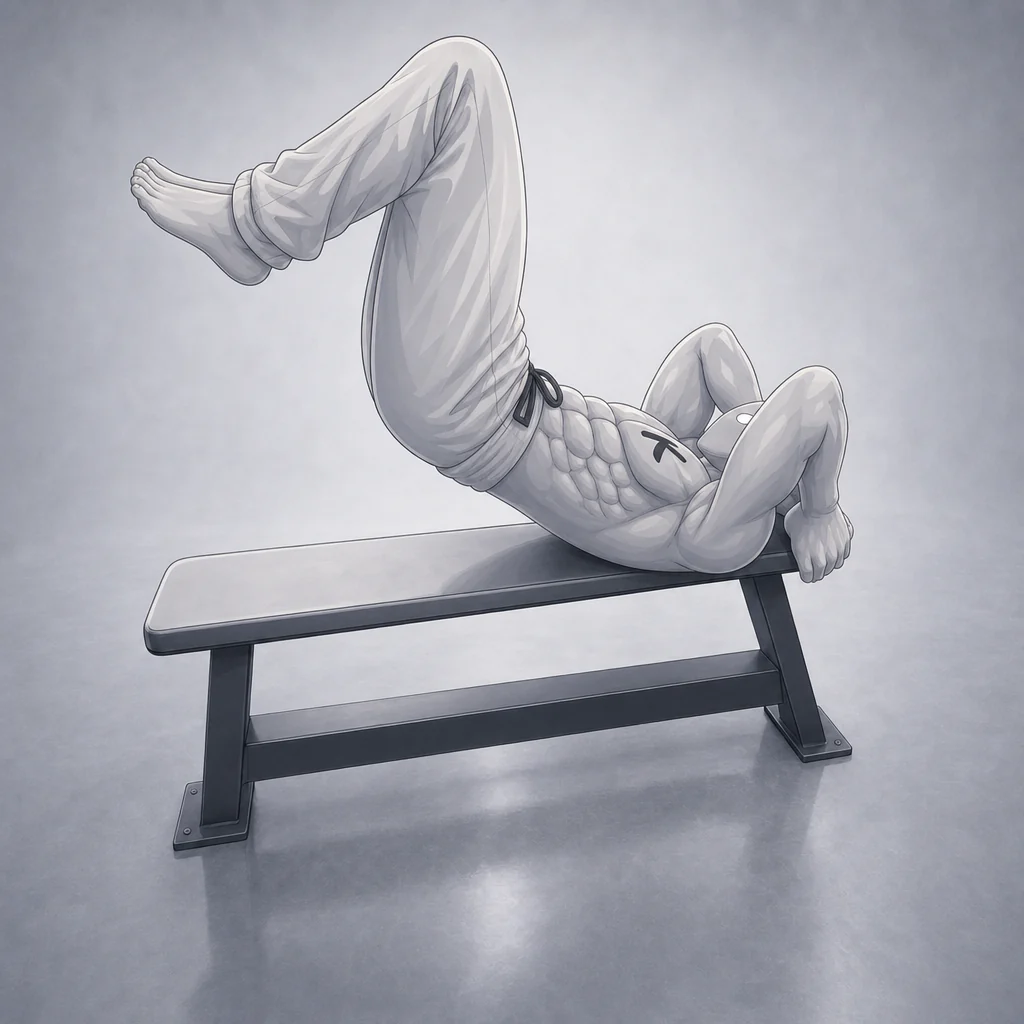
The tuck dragon flag negative is the shortest-lever, eccentric-only entry into the dragon flag family: instead of holding a straight-leg lever, the knees stay tucked to the chest and the only working phase is a slow, controlled lowering of the hips and lower back toward the floor. It builds the same straight-arm shoulder lock and anti-extension core bracing the full dragon flag demands, but with a much smaller torque on the lumbar spine, which makes it a safe and effective way to learn the pattern before adding leg length.
Technique
- Lie on your back and grip a fixed anchor behind your head — wall bars, a bench edge, or a low bar all work, hands close together above your head.
- Pull the shoulder blades down and back and press the arms straight to lock the upper body against the anchor, the same straight-arm lat tension used in the full dragon flag.
- Bring the knees to the chest and brace the core to lift the hips and lower back off the floor, keeping the pelvis tucked and the spine flat until only the shoulders and upper back stay in contact with the surface.
- Lower the tucked body as one unit under control, taking three to five seconds to descend, and stop just before the hips touch back down.
- Reset at the top — with a spot, a band, or by curling the knees back in — and repeat; do not let the knees drift open or the lower back arch as fatigue sets in.
Preparation
Start close to the anchor and keep the reps slow rather than chasing a full range of motion on day one — a rushed 1–2 second drop teaches almost nothing about the anti-extension bracing this exercise is meant to build. As the tucked negative becomes easy for a full set, the next steps are extending the hip angle (advanced tuck) and then extending one leg at a time before attempting a full dragon flag negative.
Risks
Because the knees stay tucked, the lever is short and the load on the lumbar spine is much lower than in the full dragon flag, which is why this is the standard entry point into the family. The core still has to resist spinal extension, so if the lower back arches or the pelvis loses its tuck partway down, stop the rep rather than forcing a slower descent. Trainees with a history of lower-back injury or disc irritation should still build up gradually and keep the tuck tight rather than rushing toward longer-lever variations.
Muscles
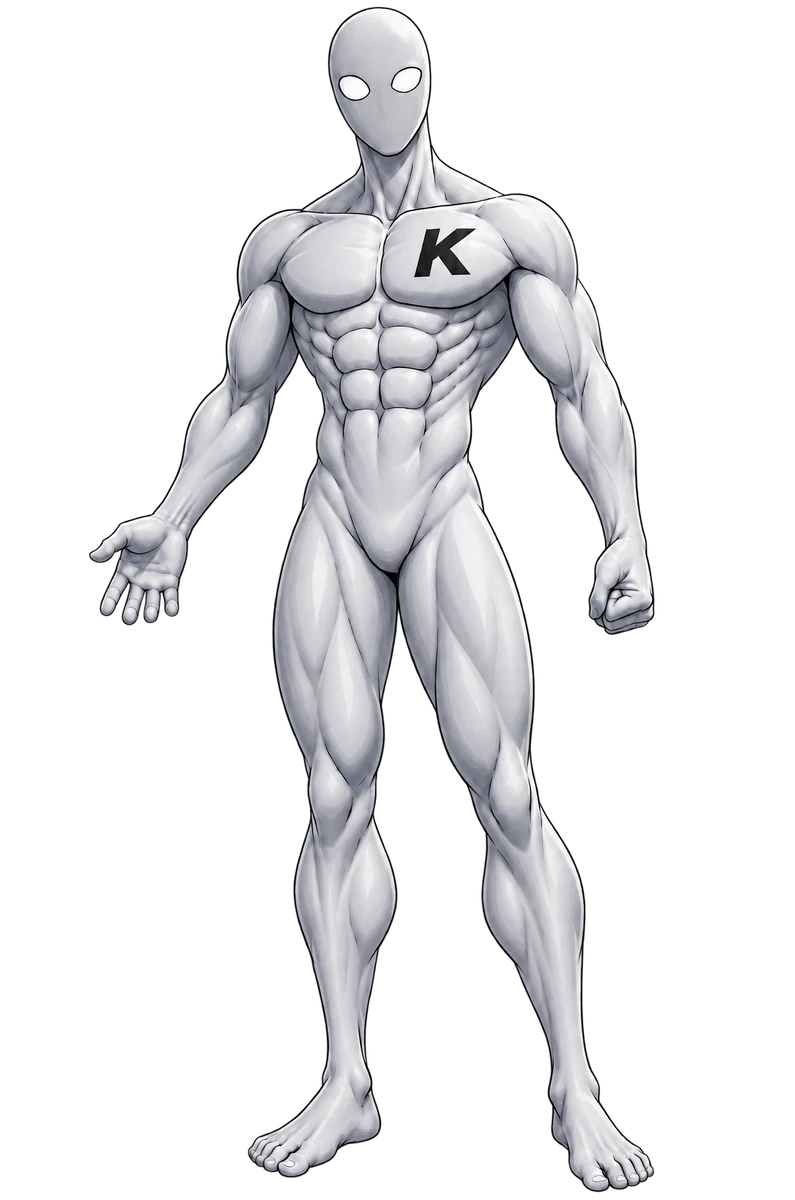
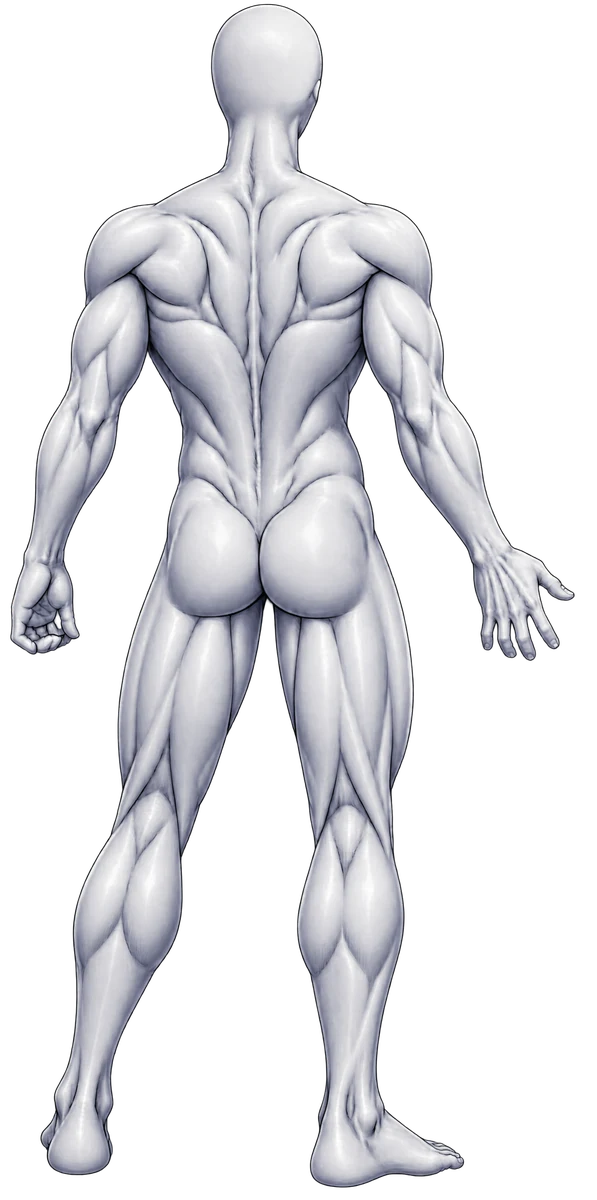
The core does most of the isometric work, bracing to stop the hips and lower back from dropping too fast as they lower toward the floor — a much smaller demand than the full dragon flag's straight-leg lever, but the same movement pattern. The latissimus dorsi and shoulders lock the straight arms against the anchor so the torso has a rigid point to hinge from, and the lower back and glutes contribute lightly as stabilizers holding the tucked hip position; with the knees bent, the quadriceps are barely loaded compared with the locked-out full version.
Stats
- Strength
- 0.00
- Control
- 0.00
- Endurance
- 0.00
- Power
- 0.00
- Balance
- 0.00
- Mobility
- 0.00
Strength still leads, since the core has to control body weight through the lowering phase, but the shorter lever means less of it than the full dragon flag needs. Control follows as the second-largest factor — the goal is a dead-flat spine and a slow, even descent rather than speed — while power sits lower than in the full movement because this drill is eccentric-only, with no concentric raise to power through. Endurance, mobility, and balance play only minor supporting roles.
Completion criteria
Perform 8–10 controlled tucked-negative reps, each lowered over roughly 3–5 seconds, with the knees held to the chest, the spine flat against the anchor point, and no lower-back arching or hips slapping down between reps.
Progression thresholds
- Lower threshold
- 4 reps
- Upper threshold
- 10 reps
Once 8–10 clean, controlled tucked-negative reps are consistent, move toward extending the hip angle and eventually the legs, working up to full dragon flag negatives and then the dragon flag itself. If a set drops below 4 clean reps, or the lower back arches before the descent finishes, go back to shorter negatives or add band/spot assistance until control returns.