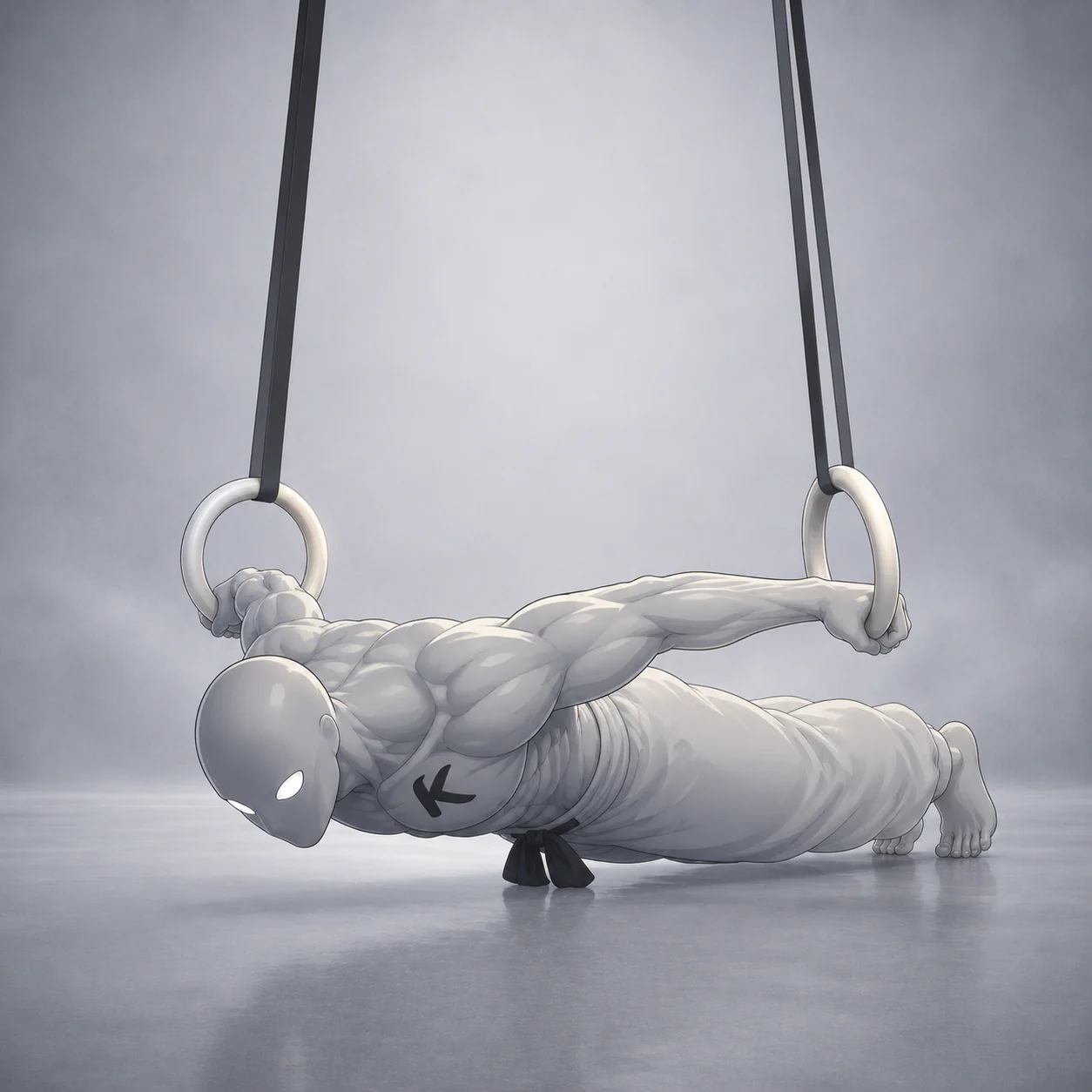
Ring wall Maltese push-ups take the wide, "wings out" arm position of the maltese and rehearse it as a dynamic press while a wall carries part of the bodyweight. It sits directly above the wall pseudo-planche push up in this tree, swapping that drill's narrow, tucked hand position for the same shoulder-width-and-beyond spread used in the ring planche and the maltese, so the extreme wide-arm lever can be learned gradually against a supported base rather than all at once on a free-hanging ring hold.
Technique
- Set up the same wall-supported base used for the wall pseudo-planche push up — rings at a height that lets you rest your feet against a wall behind you while your torso inclines forward over your hands — then turn the rings out and widen your grip toward the "wings out" maltese spread instead of the narrow, tucked pseudo-planche position.
- Take a straight-arm support with the feet in light contact with the wall, the body held in one rigid line from shoulders to heels, and the shoulder blades actively depressed rather than shrugged up toward the ears.
- Lean the shoulders forward over the rings the same way you would in a free maltese lean, letting the wide arm angle load the chest and front shoulders while the wall support carries part of your bodyweight through the hold.
- Lower under control by bending the elbows and tracking them out to the sides in line with the wide arm position — not back toward the ribs as in a narrow push up — stopping at the depth where the wide-arm line and ring turnout can still be held without collapsing.
- Press back up to the straight-arm, wide-arm support, re-establishing scapular depression and steady, turned-out rings before starting the next rep.
- Keep the feet in light, controlled contact with the wall throughout the set — using it to offload part of the effort and steady the lean angle, not to push off or bounce between reps.
Preparation
Equipment and conditions
- Gymnastic rings on adjustable straps, set at a height that lets the feet rest against a wall behind you while the torso inclines forward over the hands.
- A flat wall section clear of obstructions, positioned so the feet can make light, stable contact without sliding.
- A solid wall pseudo-planche push up and comfort with turned-out ring pressing (ring planche family work) before adding the wide maltese arm spread.
The locked prerequisite is the wall pseudo-planche push up, which builds the wall-supported setup, straight-arm pressing pattern, and scapular control this drill reuses — just with the hands still tucked in near the body rather than spread wide. From there, this drill layers on the wide arm angle that defines the ring planche and, further up the tree, the free-hanging maltese: turning the rings out and pressing from a wide, shoulder-height arm position while the wall still takes part of the load. Comfort with turned-out ring pressing from the ring planche family (ring tuck/straddle planche push ups) helps before adding the wider maltese spread, since both demand active ring control under a shifting load.
Risks
- The wide maltese arm angle multiplies stress on the shoulder and elbow well beyond a narrow push up, and the wall only removes part of that load; treat any sharp or lingering shoulder, elbow, or wrist pain as a reason to stop and have it assessed rather than to keep pressing through it.
- This drill assumes a wall pseudo-planche push up base and the straight-arm ring strength built through ring planche and ring pressing progressions; using the wide arm spread before that base is solid tends to shift load onto the joints instead of the target muscles.
- Losing scapular depression (the shoulders creeping up toward the ears) or letting the elbows bend uncontrollably under fatigue are the most common breakdowns; end the set at the first sign of either rather than forcing extra reps.
- A systematic review of still-rings elements reports that ring instability raises stabilizer-muscle demand compared with fixed apparatus and associates shoulder-joint injuries on rings with fatigue or technical breakdown, though the review found dedicated injury-prevention evidence sparse (2 of 37 included studies) and non-causal — a general caution for wide-arm ring pressing rather than a specific mechanism proven for this exact drill.
Muscles
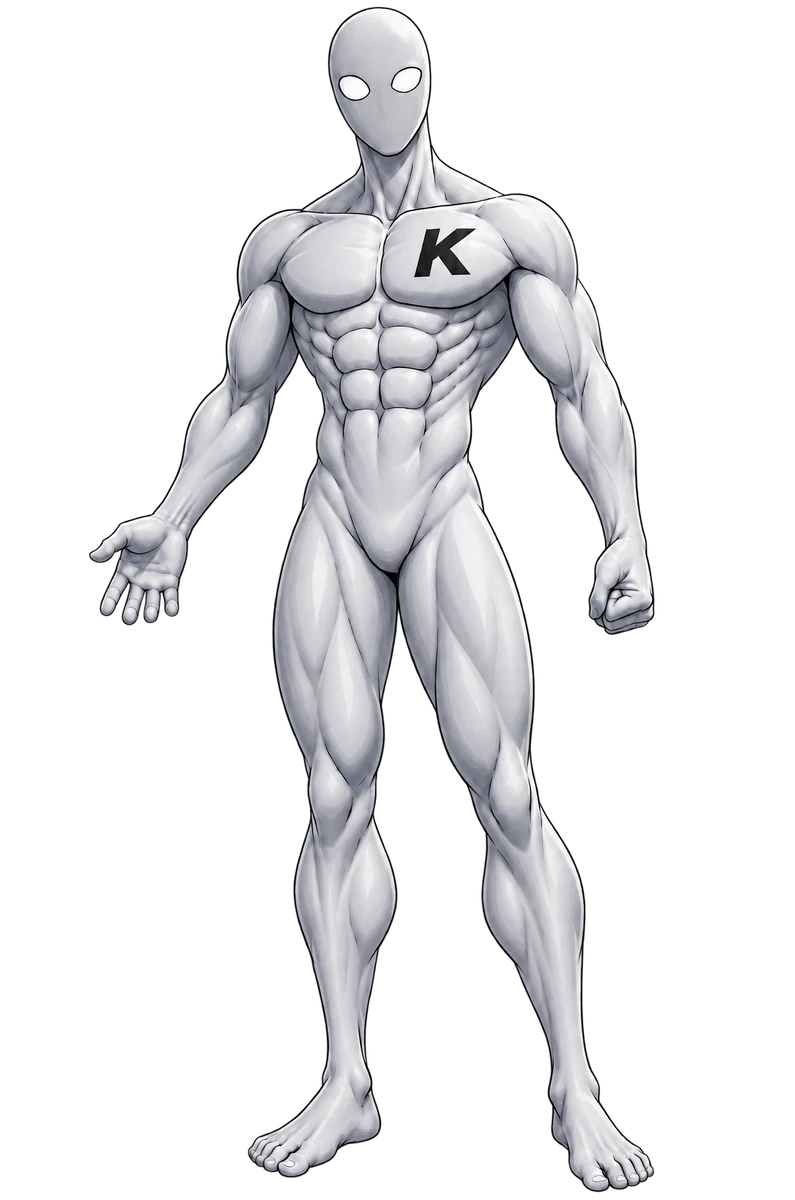
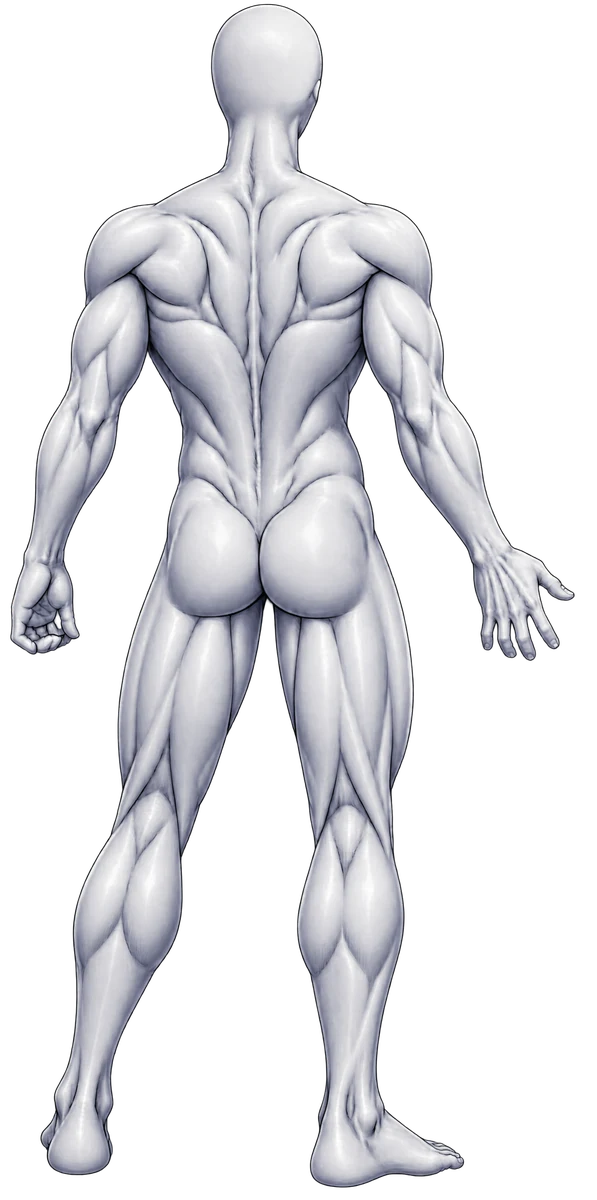
- Chest0%— show exercises
- Shoulders0%— show exercises
- Core0%— show exercises
- Triceps0%— show exercises
- Biceps0%— show exercises
- Forearms0%— show exercises
- Hands0%— show exercises
- Trapezius0%— show exercises
- Glutes0%— show exercises
- Latissimus Dorsi0%— show exercises
- Lower Back0%— show exercises
- Quadriceps0%— show exercises
- Hamstrings0%— show exercises
The chest and front shoulders carry the largest share of the load, since holding the arms wide against gravity — even with a wall taking part of the bodyweight — still stresses the pectorals and anterior deltoids in a similar way to the free maltese, only at reduced intensity. The core stays active to keep the torso and legs in one line through the press, and the triceps and biceps share the straight- and bending-arm demands of the dynamic elbow action and the locked-elbow top position. The forearms and hands make the smaller ring-path corrections that turned-out ring work always requires, though less than on a free-hanging hold since the wall stabilizes the lean angle, and the trapezius, glutes, latissimus, lower back, quadriceps, and hamstrings play smaller supporting roles keeping the body line and shoulder girdle organized. Exact percentages are a conservative product estimate calibrated below the free maltese and the ring planche push up family, since the wall assist has not been directly measured and no source isolates this exact drill's muscle balance.
Stats
- Strength
- 0.00
- Control
- 0.00
- Balance
- 0.00
- Power
- 0.00
- Mobility
- 0.00
- Endurance
- 0.00
Strength remains the dominant quality, but it is set below both the free maltese hold and the ring planche push up family to reflect the load the wall removes from the wide-arm lever. Control is the leading secondary quality, since the drill's whole purpose is rehearsing precise scapular depression and ring turnout in the wide maltese arm position. Balance, power, and mobility contribute as smaller supporting factors — balance and power lower than on a free-hanging ring hold because the wall stabilizes the lean angle and reduces the explosive demand, and mobility for tolerating the wide shoulder angle — while endurance stays a minor factor for what is still a moderate-rep pressing drill.
Completion criteria
Perform 8 controlled reps with the rings turned out and the arms spread into the wide maltese position, straight elbows at the top of each rep, steady scapular depression throughout, and only light, controlled foot contact with the wall rather than pushing off it.
Progression thresholds
- Lower threshold
- 3 reps
- Upper threshold
- 8 reps
These rep counts are a conservative product checkpoint, not a sourced physiological threshold — no dedicated progression standard for this specific wall-assisted drill was found. They sit above the free ring maltese push up's realistic rep range precisely because the wall removes part of the load, giving room for more reps while the wide-arm position and ring turnout are still being learned. If 3 clean reps cannot be held with steady scapular depression and controlled, non-bouncing wall contact, return to the wall pseudo-planche push up or to narrower turned-out ring pressing work until the base is solid again.