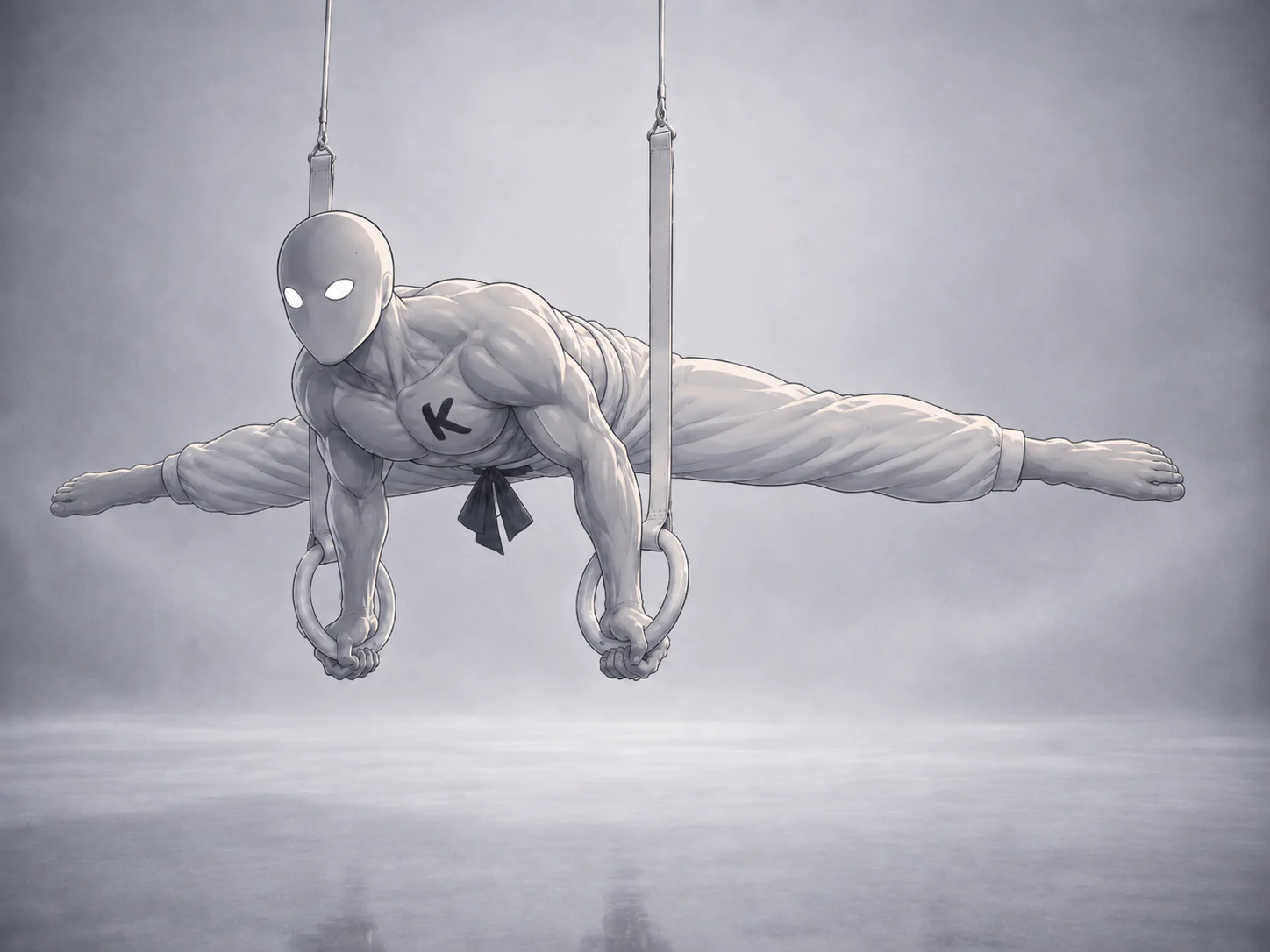
The ring tuck-straddle planche push up widens the legs from the compact ring tuck planche push up into a straddle, lengthening the body's lever while the rings keep drifting, rotating, and swinging underneath the hands through every rep. It sits between the shorter-lever ring tuck planche push up and the full, legs-together ring planche push up, carrying the same moving-apparatus problem forward while adding the longer lever and the hip/hamstring demands of the straddle line.
Technique
- Support on the rings with arms locked straight, rings turned out, and the straps kept clear of the forearms — starting from a tuck, ring-frog-stand, or straddle support, or directly from a settled ring straddle planche lean.
- Protract and depress the shoulder blades and actively press the rings down and slightly apart to resist their natural inward drift, keeping the upper back from rounding.
- Open the legs into a wide straddle and lean the shoulders forward past the hands, raising the hips to roughly shoulder height into the ring tuck-straddle planche line at the top of every rep.
- Bend the elbows slowly and with control, tracking them back close to the ribs rather than flaring wide, while continuously correcting ring path with small wrist and finger adjustments as the load shifts through the longer straddled lever.
- Lower only to the depth where the straddle line, forward lean, and turned-out ring position can be held without the shoulders rounding, the hips dropping, or the rings rotating out of control.
- Press back up through the same forward-leaned line to the straight-elbow straddle position, re-establishing full-body tension and a stable ring set before starting the next rep.
- Return to a tuck, straddle, or ring-frog-stand support at the end of the set rather than dropping out of the position.
Preparation
Equipment and conditions
- A pair of gymnastic rings on adjustable straps, hung low enough to enter and exit safely, with clear space to bail forward if the lean or ring control is lost.
- A solid set of ring tuck planche push ups (the locked prerequisite) and a comfortable, controlled ring straddle planche lean before adding the repeated straddle press.
- Enough hip and hamstring flexibility to sit in a wide straddle without the pelvis rotating or the lower back rounding.
- A mat or soft landing surface under the rings while learning.
The locked prerequisite is the ring tuck planche push up — its ring-path control, forward-lean tolerance, and pressing pattern all transfer directly, just with the legs opening into a straddle instead of staying tucked. A settled ring straddle planche lean (or, if it is not yet solid, the static ring tuck planche hold) helps confirm the straddle's forward-lean and turnout can be held before repeated presses are layered on top. The floor straddle planche push up, where already comfortable, shows the same leg-opening and elbow-tracking mechanics without the added ring instability, and is a useful reference for the pressing motion itself.
Risks
- The straddled legs lengthen the lever arm compared with the tucked version, so the same ring-path errors produce a larger torque swing at the shoulders; keep the tempo controlled on both the lowering and pressing phases and stop the set as soon as the rings begin rotating uncontrollably.
- This sits between the ring tuck planche push up and the legs-together ring planche push up, stacking a longer lever onto the same moving-apparatus problem. Build a comfortable, controlled ring straddle planche lean and a solid set of ring tuck planche push ups before adding repeated straddle presses — trying to solve a longer lever and ring instability at the same time is a common way to lose control.
- Elbows flaring out wide during the press increase stress at the shoulder and reduce mechanical efficiency; keep them tracking back near the torso.
- Shoulder-joint problems are frequently reported among ring specialists in the gymnastics literature, but a systematic review of still-rings studies found that only 2 of the 37 reviewed studies addressed injury risk factors directly, so the evidence on specific causal mechanisms is sparse and largely non-causal. Treat this as a reason to build reps gradually and stop at sharp or pinching pain, not as a specific diagnosis. Persistent shoulder, elbow, or wrist, or hip/adductor pain warrants assessment by a qualified healthcare professional.
Muscles
- Shoulders0%— show exercises
- Core0%— show exercises
- Chest0%— show exercises
- Biceps0%— show exercises
- Hands0%— show exercises
- Forearms0%— show exercises
- Triceps0%— show exercises
- Trapezius0%— show exercises
- Latissimus Dorsi0%— show exercises
- Glutes0%— show exercises
- Quadriceps0%— show exercises
- Lower Back0%— show exercises
- Hamstrings0%— show exercises
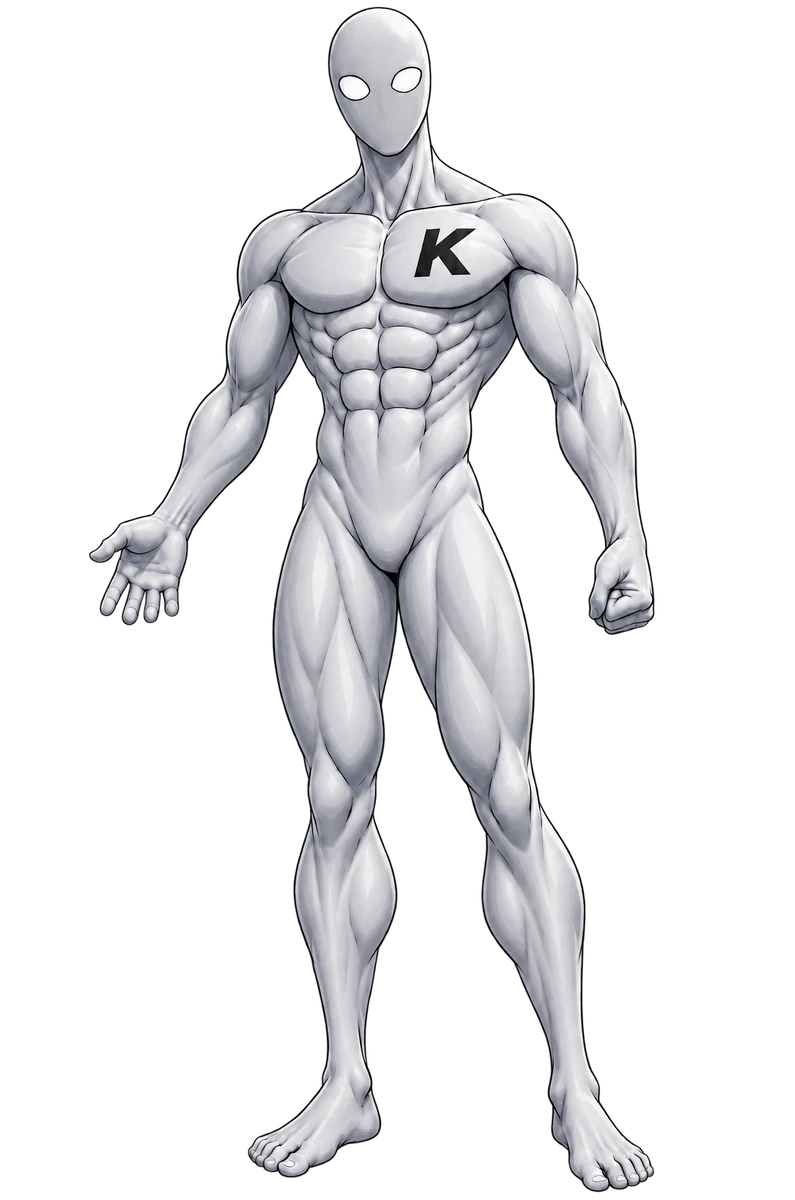
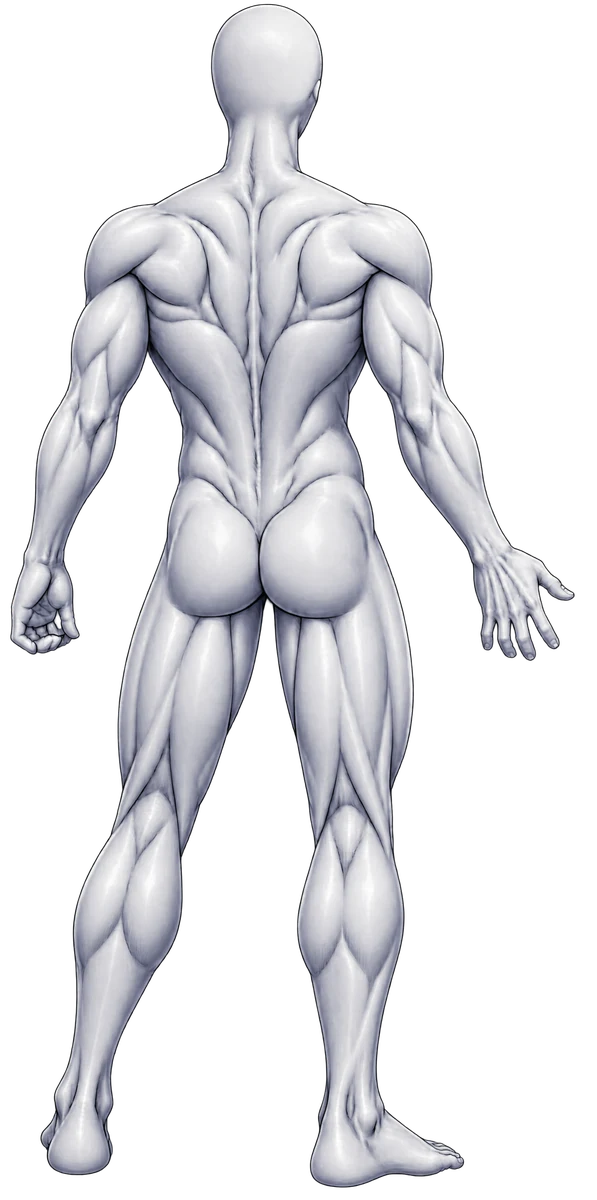
The shoulders remain the dominant mover, now carrying the forward-lean support of a longer, straddled lever along with the elbow bend's concentric/eccentric range, so their load is set above the ring tuck planche push up and below the full-lever ring planche push up. The chest and triceps take on more work than in the tucked version as the pressing lever lengthens, while the biceps and hands/forearms continue the ring-specific work of steering the ring path and correcting rotation or drift under the larger torque a straddled lever produces — a demand a systematic review of still-rings elements associates with generally higher stabilizer-muscle activity on rings than on fixed apparatus. A related EMG study on the gymnastic support scale — a similar straight-arm ring hold, though not the planche itself — recorded the anterior deltoid and biceps brachii producing the highest activity among the muscles tested; that study measured a different, purely isometric position, so it is used here only as supporting evidence for the general muscle pattern of straight-arm ring work, not as a direct measurement of this dynamic press. The core stays firmly active to keep the wider straddle line rigid as the joint angles change, and the quadriceps, glutes, and hamstrings contribute more than in the tucked version, since holding the legs straight and open through a repeated press asks more of the hip and leg musculature than a compact tuck; the lower back also picks up a modest stabilizing role that the tucked version barely needed. Precise EMG data specific to this exact ring tuck-straddle planche push up was not found; the percentages above are a product estimate calibrated between the ring tuck planche push up and the harder ring planche push up.
Stats
- Strength
- 0.00
- Balance
- 0.00
- Control
- 0.00
- Power
- 0.00
- Endurance
- 0.00
- Mobility
- 0.00
Strength remains the primary quality, rated above the ring tuck planche push up because the longer straddled lever adds more resistance torque to the same pressing range of motion, while staying below the full-lever ring planche push up. Power follows as the clear secondary quality, higher than the tucked version since driving a longer lever through repeated elbow bends demands more explosive output, though still below the legs-together ring planche push up. Balance and control both stay substantial, reflecting the same ring-instability problem as the tucked version plus the added torque of the straddle, while mobility ticks up slightly to reflect the hip and hamstring flexibility needed to hold the legs straight and open through the press. Endurance remains a minor supporting quality for what is still a low-rep pressing skill at this stage of the progression.
Completion criteria
Product estimate: perform 5 consecutive ring tuck-straddle planche push up reps with a controlled tempo on both the lowering and pressing phases, straight elbows at the top of each rep, a wide straddle with the hips at roughly shoulder height, and steady turned-out rings without drifting or rotating.
Progression thresholds
- Lower threshold
- 2 reps
- Upper threshold
- 5 reps
Losing the straddle line, the shoulders rounding forward, or the rings spinning out of control during the elbow bend points back to more time on the ring tuck planche push up and on a settled ring straddle planche lean before retrying repeated straddle presses. Once 5 controlled reps are consistent with a steady tempo and stable, turned-out rings, the same pressing pattern transfers toward closing the legs together into the full ring planche push up.