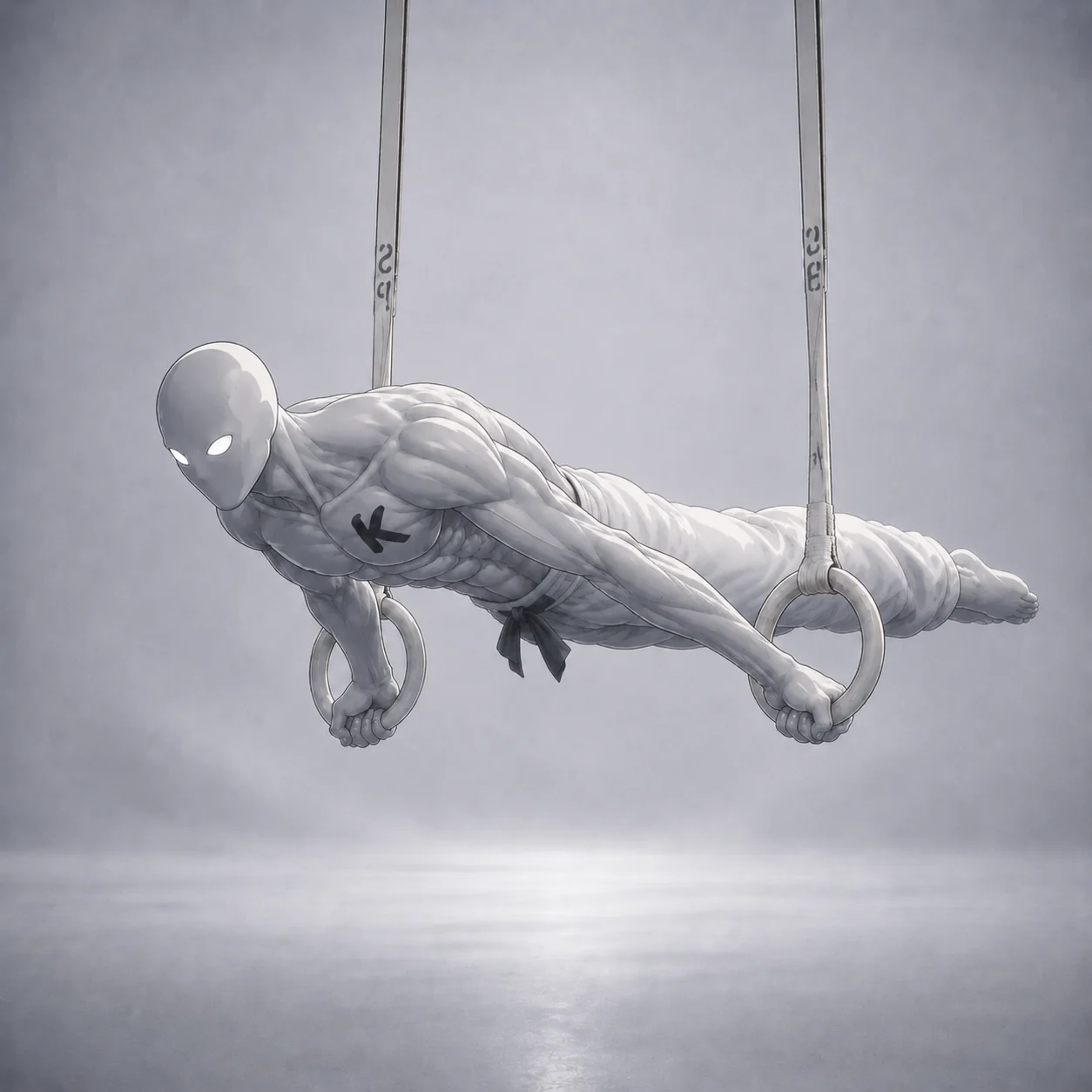
The ring planche is a straight-arm support hold performed with the legs together on gymnastic rings, the same body shape as the floor planche but on a free-moving, rotating apparatus. Because the rings can drift, turn, and shift under load, the athlete must actively control ring path with the hands and wrists throughout the hold, not just resist a fixed lever as on the floor. This makes the ring planche the harder sibling of the floor planche and the direct stepping stone toward the maltese, which spreads the same straight-arm strength across a wider, lower arm position.
Technique
- Support on the rings with arms locked straight and the rings turned out, keeping straps free of the forearms.
- From a compact tucked or straddled support, actively protract and depress the shoulder blades and press the rings down and slightly out to resist their natural inward drift.
- Lean the shoulders forward past the hands while keeping the arms straight, shifting weight off a neutral support position and onto the forward-leaning shoulder girdle.
- Raise the hips to shoulder height and extend the legs together, forming one straight line from shoulders through hips, knees, and pointed toes, parallel to the floor.
- Continuously correct ring position with small wrist and finger adjustments; the rings will try to rotate and drift apart under the shifting load, and losing that control collapses the hold faster than on a fixed floor support.
- Brace the trunk, squeeze the glutes and legs, and hold the horizontal line with locked elbows and active shoulders before controlling the descent back to support.
Preparation
Equipment and conditions
- A set of gymnastic rings on adjustable straps, hung low enough to enter and exit safely, with enough surrounding space to bail forward or drop out of the hold.
- A pain-free, movement-specific warm-up and an established, clean ring straddle planche before attempting the full ring planche.
- Chalk or grip aid if hand slipping on the rings is a limiting factor.
The locked prerequisite is the ring straddle planche. Use the related ring movements to isolate specific parts of the skill before closing the straddle:
- Ring tuck planche for a compact straight-arm support with active, turned-out rings.
- Ring straddle planche for the forward-lean balance point and ring-path control at nearly full body length.
Treat closing the straddle to a full ring planche as a small leverage change from a position you can already stabilize: keep the elbows locked, the shoulder blades active, and the rings steady as the legs come together. If bringing the legs together disrupts ring control or the hip line, return to the straddle until the position is clean again.
Risks
- Rings are a free-moving, unstable support, so a lapse in ring-path control can shift load suddenly onto the shoulders, elbows, or wrists; build time under tension gradually rather than chasing a hold at the edge of control.
- The straight-arm, shoulder-flexed position loads the shoulder girdle heavily; a systematic review of still-rings elements reports that ring instability raises stabilizer muscle demand compared with fixed apparatus and associates shoulder-joint injuries on rings with fatigue or technical breakdown, though the review found injury-prevention evidence sparse (2 of 37 included studies) and non-causal.
- Stop the attempt as soon as the elbows bend, the shoulder blades lose their protracted-depressed position, or the rings begin to rotate uncontrollably — these are signs the current progression or hold duration is not yet appropriate.
- Persistent shoulder, elbow, or wrist pain, or a loss of motion, warrants assessment by a qualified healthcare professional rather than continued attempts.
Muscles
- Shoulders0%— show exercises
- Core0%— show exercises
- Biceps0%— show exercises
- Chest0%— show exercises
- Hands0%— show exercises
- Forearms0%— show exercises
- Trapezius0%— show exercises
- Glutes0%— show exercises
- Latissimus Dorsi0%— show exercises
- Triceps0%— show exercises
- Quadriceps0%— show exercises
- Lower Back0%— show exercises
- Hamstrings0%— show exercises
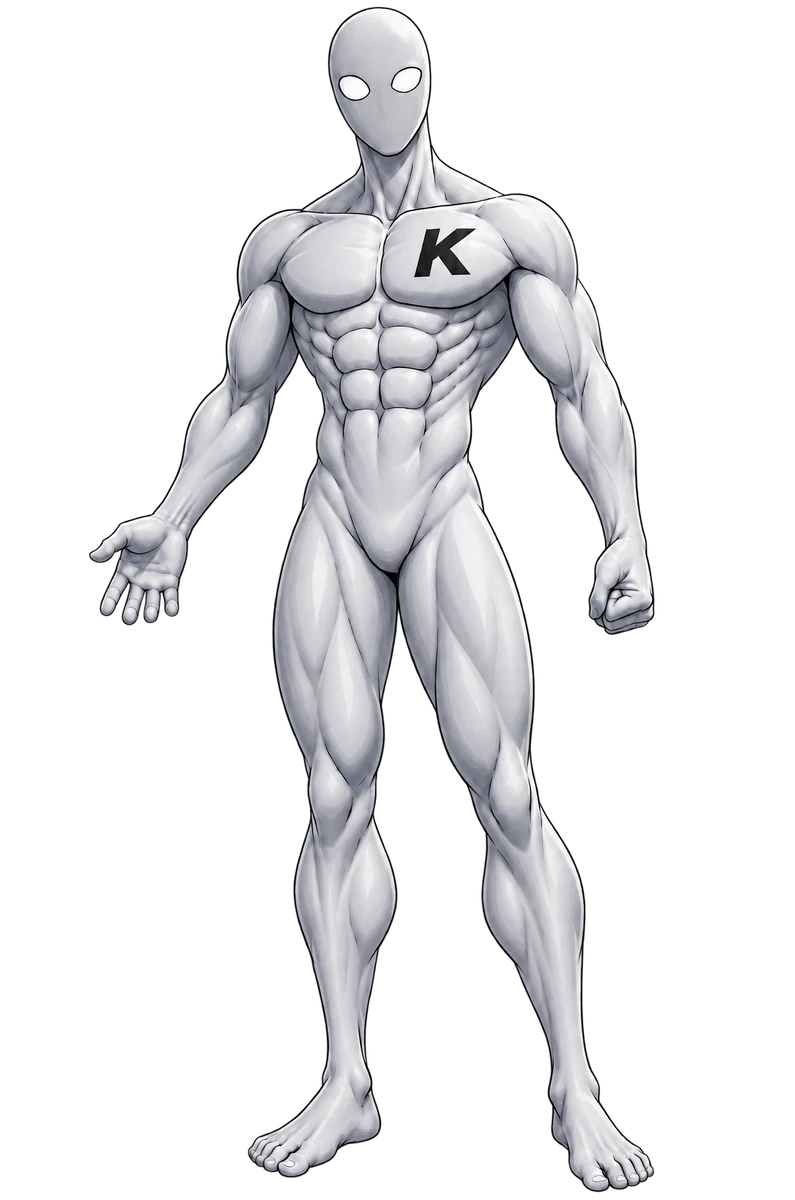
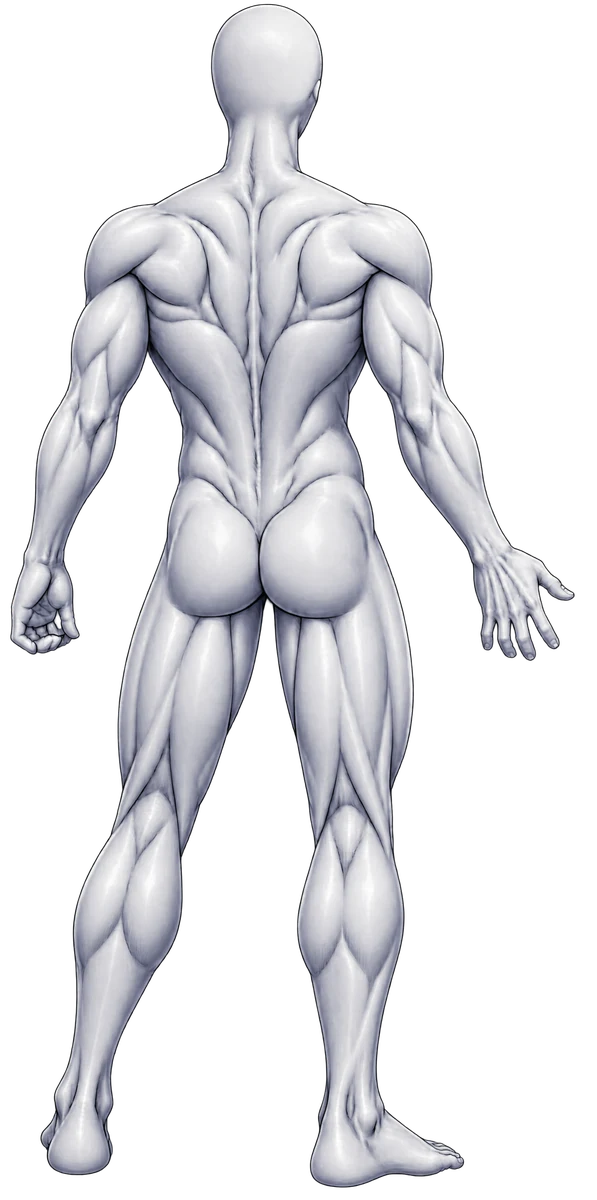
The shoulders carry the dominant load resisting the long, straight-arm body lever, working even harder here than on the floor because the rings must be actively steered rather than pressed against a fixed surface. The hands and forearms take on a larger role than in the floor planche, continuously correcting ring rotation and drift; a systematic review of still-rings elements found that ring instability increases stabilizer muscle demand compared with fixed apparatus, and highlighted the trapezius, serratus anterior, and latissimus dorsi as important scapular and shoulder stabilizers on rings. The biceps contribute strongly to straight-arm shoulder flexion, the chest and trapezius coordinate the shoulder girdle, and the core, glutes, and legs form the rigid body line. Exact percentages are a conservative product estimate calibrated against the floor planche and the maltese, since no source measures this precise ring-planche muscle balance directly.
Stats
- Strength
- 0.00
- Balance
- 0.00
- Control
- 0.00
- Mobility
- 0.00
- Endurance
- 0.00
- Power
- 0.00
Strength remains the clear primary quality, set slightly above the floor planche because the shoulder girdle must both resist the body lever and actively manage the rings. Balance is secondary and higher than on a fixed surface: the base of support itself moves, so the center of mass and the ring path must be controlled together. Control is tertiary, covering the continuous small corrections needed to keep the rings turned out and steady; mobility, power, and endurance remain supporting qualities rather than the defining demand.
Completion criteria
Hold a full ring planche for 5 seconds with straight elbows, turned-out rings held steady without drifting or rotating, and a continuous horizontal line from shoulders to pointed toes. Enter and exit under control from a straddle or tuck support.
Progression thresholds
- Lower threshold
- 2 s
- Upper threshold
- 10 s
Use 10 seconds as a product checkpoint for moving toward more advanced ring strength holds such as the maltese, not as a universal physiological threshold. If a clean full position with steady, turned-out rings cannot be held for about 2 seconds, return to the ring straddle planche and rebuild ring-path control at that level.