Element preview
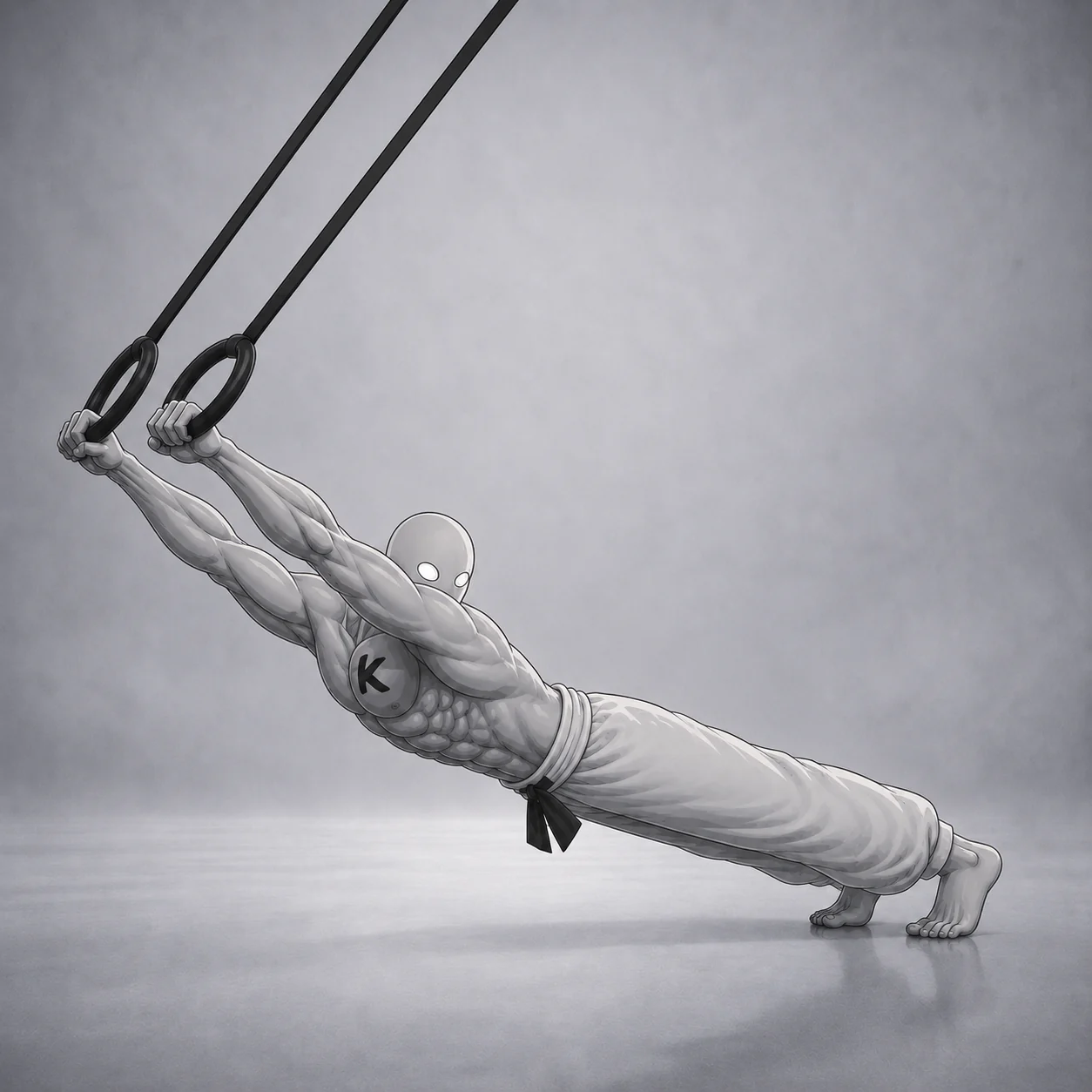
A rolling anti-extension exercise performed on two independently-suspended rings instead of a fixed ab wheel or bar. The instability of the rings means the shoulders and grip have to control not just the extension of the arms but also any side-to-side or rotational drift, on top of the core's job of resisting the lower back from arching as the lever gets longer. It sits past the one-arm plank on this branch of the tree: both movements train the same anti-extension pattern, but here the demand is dynamic and the base of support is actively unstable rather than fixed.
Technique
- Hang two rings at roughly knee height and kneel on a pad directly beneath them, or start standing for a harder lever.
- Grip the rings, brace the core hard, tuck the pelvis slightly, and pack the shoulder blades down and together.
- Keeping the arms straight and the body a rigid line from shoulders to knees (or ankles when standing), slowly push the rings forward and away from the body.
- Stop the extension the moment the lower back wants to arch or the hips want to sag — that end-range point is the working range for this session, not necessarily full extension.
- Reverse the motion by pulling the rings back toward the knees using the abs and lats, resisting any wobble from the rings rather than letting them swing.
- Reset the brace between repetitions instead of relaxing the core at the top.
Preparation
Start kneeling with the rings roughly at knee height — this shortens the lever and keeps the exercise manageable while the anti-extension brace is being learned. Only move to a standing version, and later to feet set further back, once the kneeling range is fully controlled.
Risks
The whole point of the exercise is anti-extension: the moment the lumbar spine arches or the hips sag toward the floor, the load shifts from the abdominal wall onto the passive structures of the low back. Stop each rep before that point rather than chasing a longer lever. Because the rings can drift and swing independently, an uncontrolled wobble can pull one shoulder into an unplanned position — keep the range short until ring control is reliable. Progress range of motion and lever length (kneeling to standing to feet-back) gradually; jumping straight to a long standing rollout before the anti-extension brace is automatic is the most common way this exercise turns into a back exercise instead of a core exercise.
Muscles
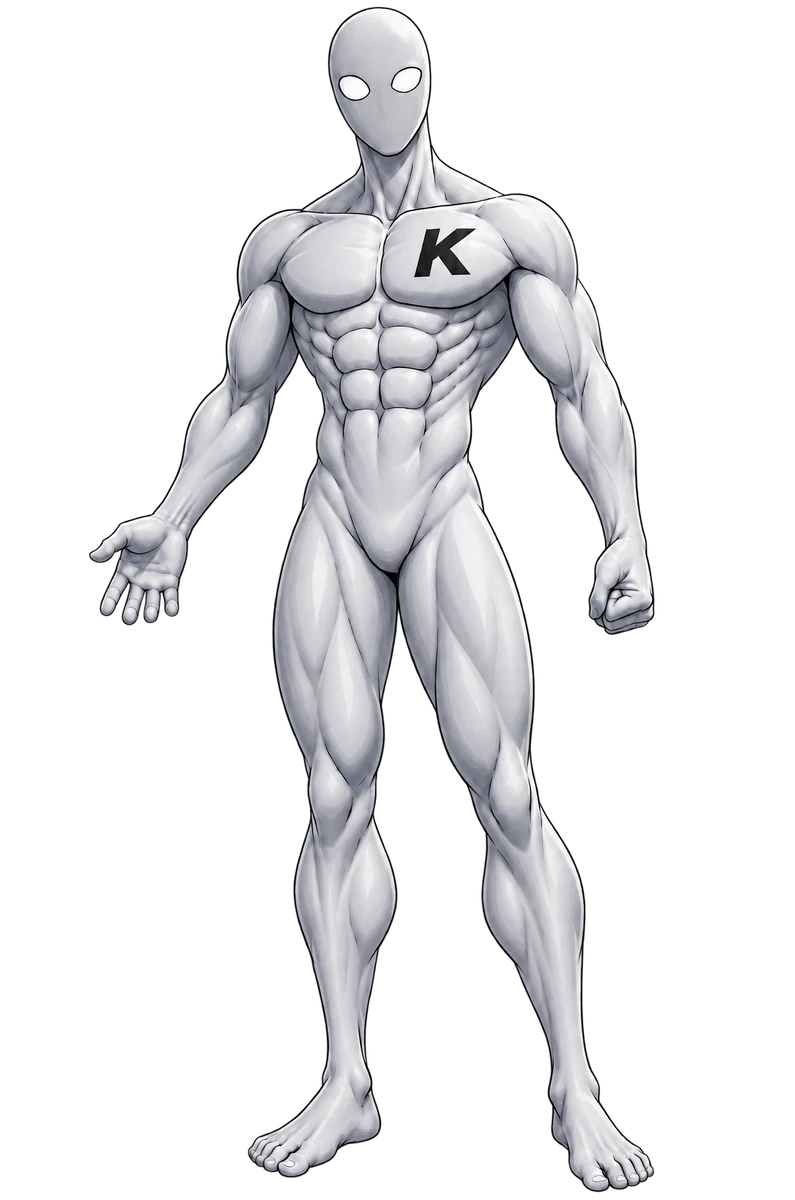
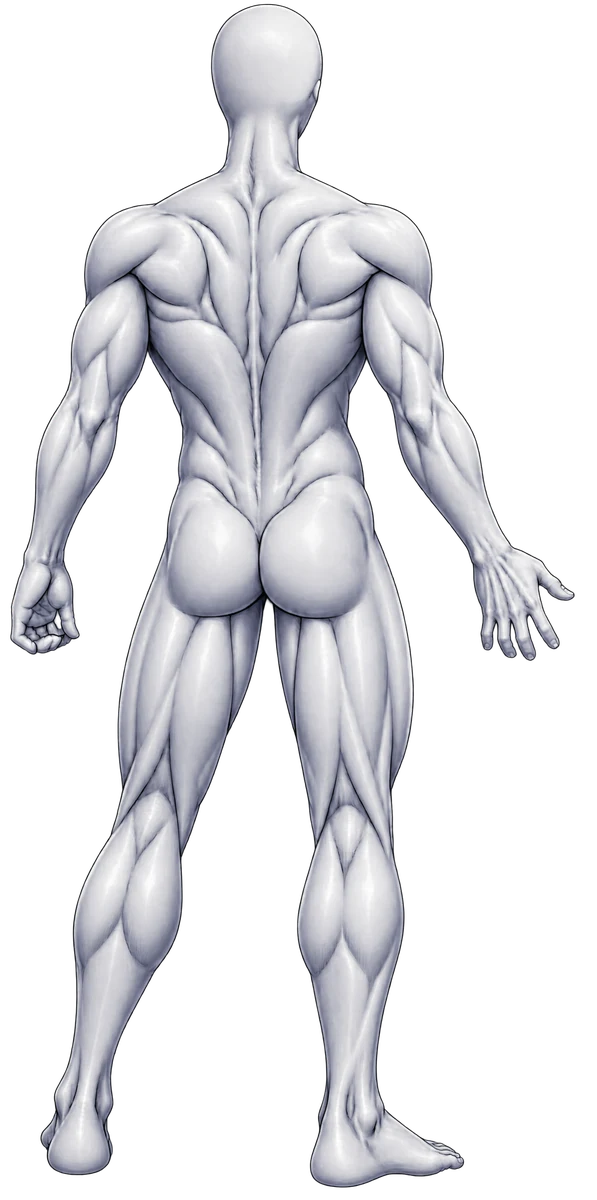
The core (rectus abdominis, obliques, and deep stabilizers) is the primary target, resisting lumbar extension as the rings move away from the body. The shoulders and latissimus dorsi work hard both to control the unstable rings and to pull the arms back to the start, while the triceps keep the elbows locked through the extension. Grip and forearm demand is higher than on a fixed ab wheel because the rings can rotate and drift independently, and the lower back, trapezius, glutes, and quadriceps act as secondary stabilizers holding the kneeling or standing line rigid.
Stats
- Strength
- 0.00
- Control
- 0.00
- Endurance
- 0.00
- Balance
- 0.00
- Mobility
- 0.00
- Power
- 0.00
This is primarily a strength movement built around eccentric and concentric control of the trunk (control is the clear secondary stat), with meaningful endurance and balance demand from holding the anti-extension brace over reps on an unstable apparatus. Power and mobility play a minor role compared to sustained tension and stability.
Completion criteria
Able to perform 8-10 controlled kneeling ring rollouts to a challenging but well-braced range, with no visible lumbar arch or hip sag at any point in the rep, and with the rings staying stable rather than swinging.
Progression thresholds
- Lower threshold
- 5 reps
- Upper threshold
- 10 reps
Add reps within the controlled range before extending the lever (kneeling to standing to feet back); if lumbar arch or hip sag creeps in before that rep count, shorten the range instead of adding more reps.