Element preview
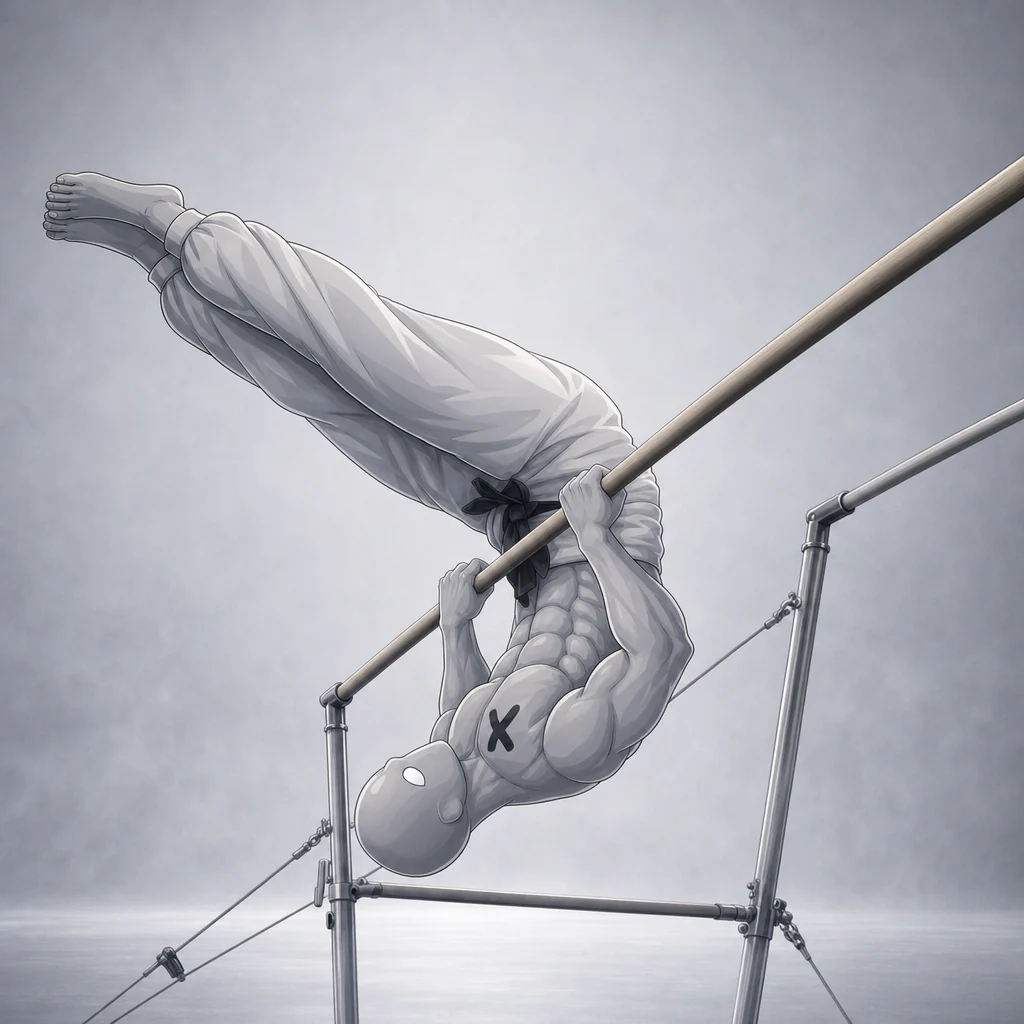
Preview · 0:06
A short look at the whole element in motion.
This is an overview clip, not a technique reference — the form in it may be imperfect. Follow the steps in Technique.
The pullover is a gymnastics bar skill that links a strict pulling action to a full body rotation around the bar: you pull your chin above the bar, drive your hips up and over it while inverted, and finish pressing up to a straight-arm front support. It is a coordination-heavy skill rather than a pure strength or endurance test — coaching sources describe it as demanding a "bare-minimum" base of strict pull-ups and bar support/dip strength, with the actual difficulty coming from timing the hip drive and rotation rather than from raw force output.
Technique
- Hang from a pull-up bar with a slightly-wider-than-shoulder-width overhand grip, arms fully extended.
- Pull yourself up as in a strict pull-up until your chin clears the bar, keeping the pull controlled rather than kipped.
- From that raised position, drive your legs up and back so your feet travel toward and over the bar, keeping the arms bent rather than letting them straighten early.
- Push your hips toward the bar as your torso leans back, rotating so your hips make contact with (or pass close over) the bar while your body stays inverted.
- Continue rotating your feet and hips behind and under the bar, keeping the motion smooth and continuous instead of stalling on top of it.
- Finish by extending the arms and pressing your torso upright over the bar, ending in a front support with straight arms and square hips.
Preparation
Before attempting a full pullover, you should be able to perform strict pull-ups to chin-above-bar and hold a straight-arm support on the bar, since both positions bookend the skill. Many gymnastics programs build the rotation itself gradually: rehearsing the backward-rotation feel on an incline or mat, then using a springboard or a stacked mat to reduce how much height needs to be generated, before removing the aids and performing the pullover from a dead hang. Keeping the hands fixed in the same grip throughout and letting the wrists rotate under the bar (rather than repositioning the hands) is a small but commonly cited technical detail that keeps the rotation smooth.
Risks
The pullover asks the shoulders to move through a large range of motion — from a straight-arm hang, through a bent-arm pull, into an inverted, extended position, and back out to a straight-arm support — while the hands stay fixed on the bar. Treat the shoulder joint conservatively while learning: build the prerequisite strict pull-up and support/dip strength first (per the movement's own prerequisites), and progress through spotted or mat-assisted drills rather than attempting a full unassisted rotation on the first tries.
Because the skill inverts you over a fixed bar, a stalled or mistimed rotation can leave you off-balance or dumped backward off the bar; practice early attempts on a low bar with mats underneath, or with a spotter, until the rotation is consistent. Losing hip-to-bar contact partway through — pulling the hips away from the bar instead of pushing them toward it — is the most commonly cited technical breakdown and is also what makes the rotation feel unstable, so this cue is worth prioritizing over trying to muscle through with the arms alone.
Muscles
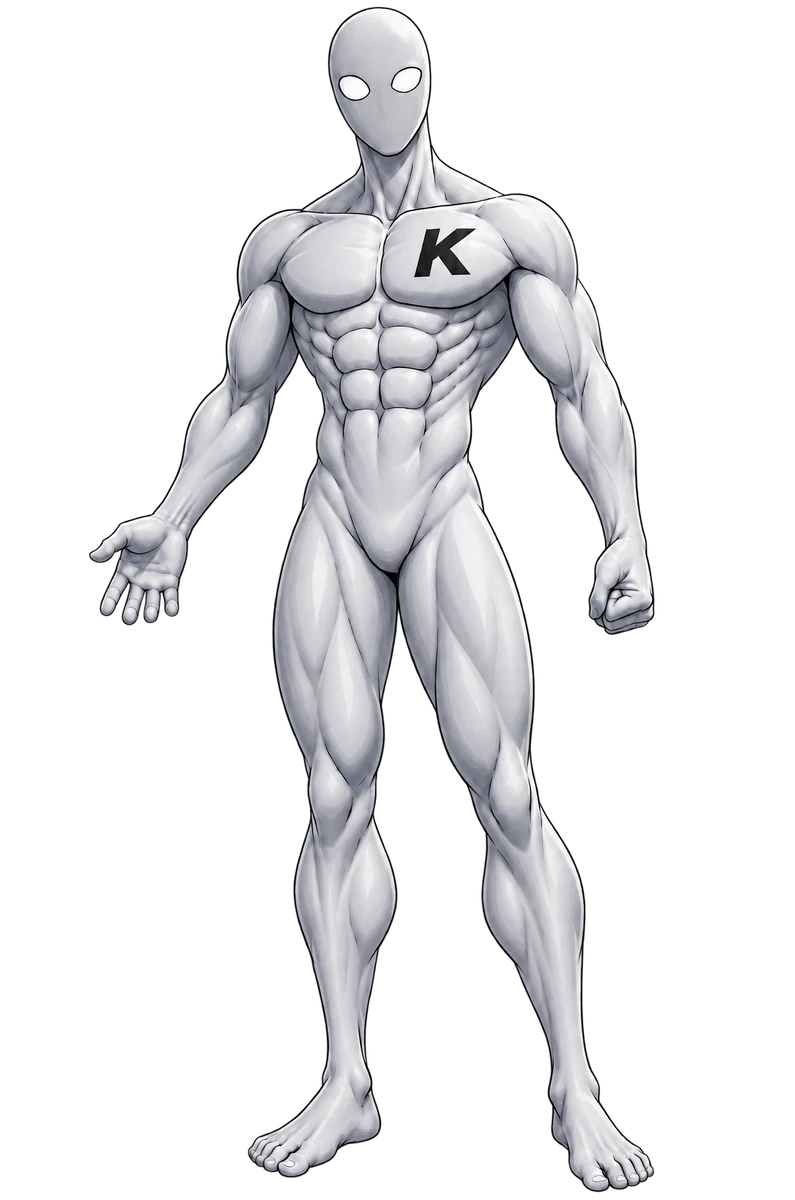
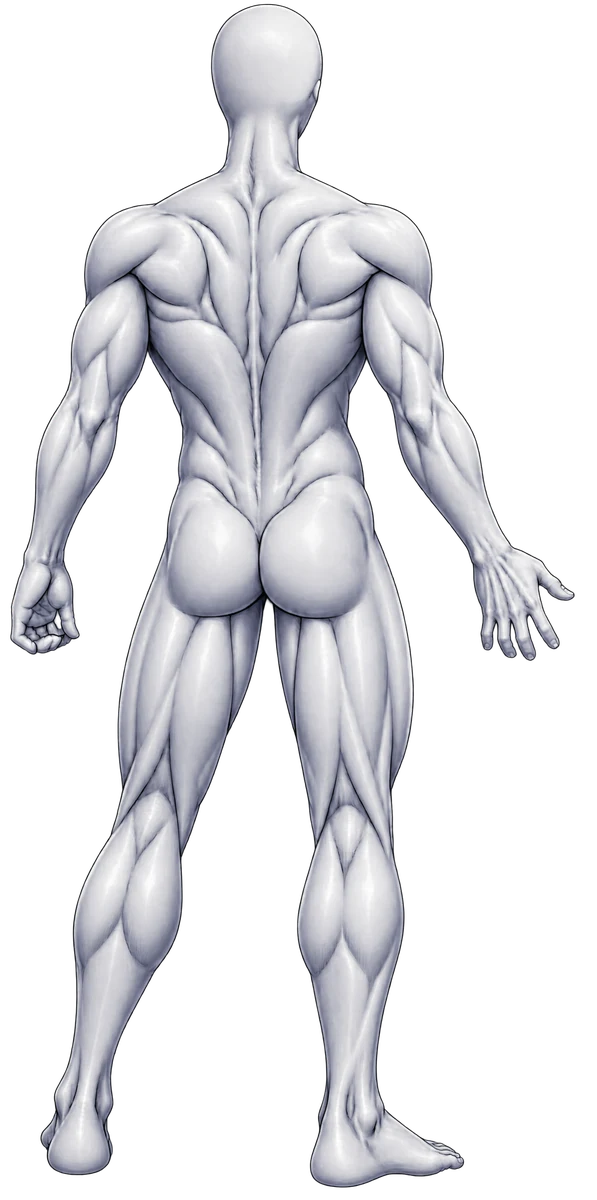
The initial pull to chin-above-bar is driven by the latissimus dorsi and biceps, with the chest and triceps taking over near the end of the movement to press the torso upright into support. Through the inverted, rotating middle portion, the shoulders and trapezius work hard to keep the arms controlled and the shoulder blades stable as the joint moves through an unusually large range of motion under load. The core stabilizes the trunk and helps drive the legs up and back, while the lower back, glutes, and hamstrings extend the hips and legs to carry them over the bar; the forearms manage grip through the wrist rotation that happens as the body passes overhead.
Stats
- Strength
- 0.00
- Control
- 0.00
- Power
- 0.00
- Balance
- 0.00
- Endurance
- 0.00
- Mobility
- 0.00
Strength is the clear primary demand — this movement does not work without a real base of pulling and pressing strength — but the skill is unusually control-heavy for a strength element, since success depends more on timing the hip drive and rotation cleanly than on moving more load. A moderate amount of power helps drive the legs and hips through the rotation efficiently, and mobility through the shoulders supports the large range of motion the joint travels through. Endurance and balance play only supporting roles.
Completion criteria
Perform a full, continuous rotation from a straight-arm hang to a front support with straight arms and square hips — chin pulled above the bar first, hips driven to the bar through the inversion, and no kipping swing, momentum-assisted kick, or pause balanced on top of the bar.
Progression thresholds
- Lower threshold
- 2 reps
- Upper threshold
- 5 reps
These rep counts are a product-calibration estimate rather than a measured standard, set relative to the simpler hanging leg raise to bar that precedes this movement in the tree and the more strength-dominant skills, like the muscle-up, that typically follow it. Once a handful of clean, continuous pullovers are consistent without momentum, that same hip-drive-and-rotation timing is ready to be carried into a bar muscle-up; if the rotation regularly stalls on top of the bar or requires a kipping swing to complete, return to assisted drills (low bar, mats, or a spotter) until the unassisted rotation is reliable.