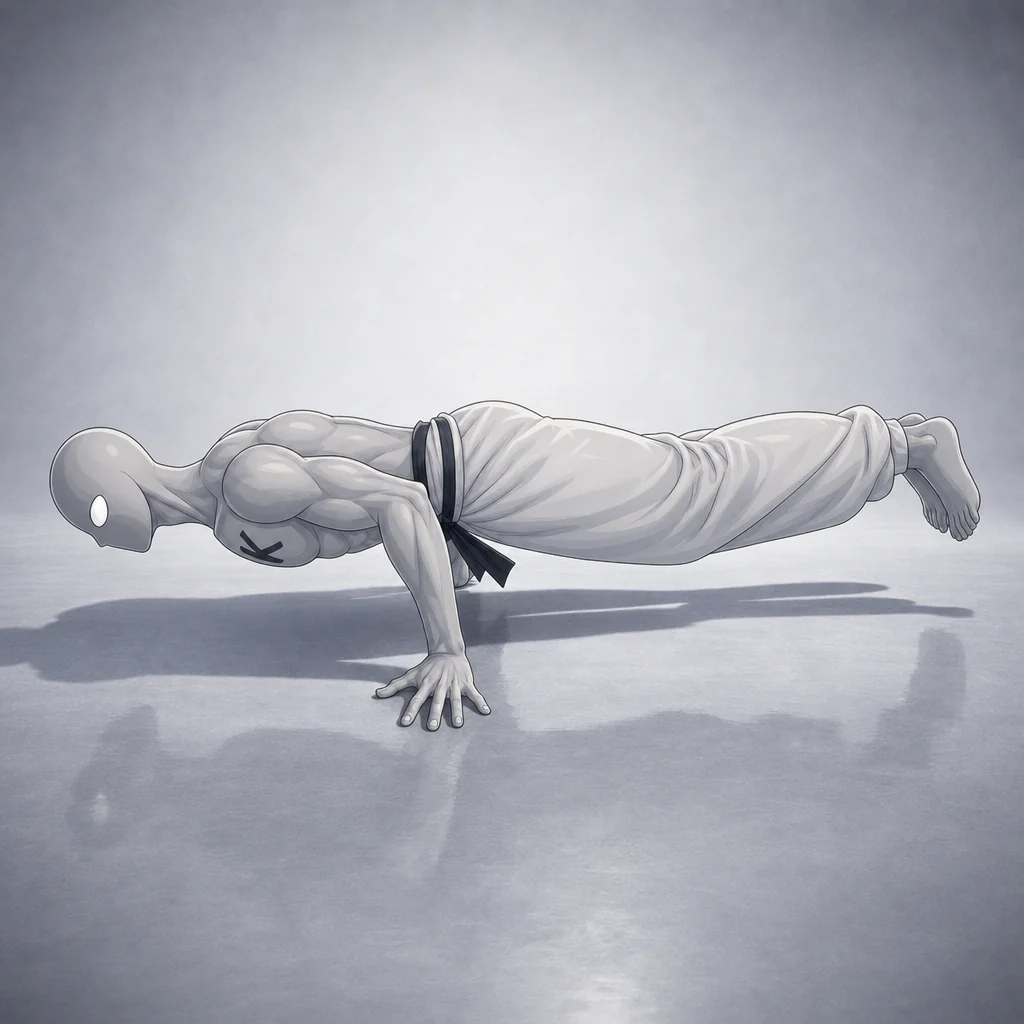
The planche push up takes the full planche support — already one of the hardest static holds in calisthenics — and adds a full-range press through the elbows while the body stays in that same horizontal, forward-leaned line. Because the lever stays maximally long (legs together, no straddle) for the entire repetition instead of only for an isometric hold, it asks the shoulders, chest, and triceps to produce force through a range of motion rather than just resist a fixed load, on top of everything the static planche already demands from the core, hips, and legs.
Technique
- Support yourself in the full planche position: hands firmly gripping the floor or parallettes, arms straight, shoulders leaned well forward of the hands, hips at shoulder height, legs together and extended, toes pointed, and the whole body forming one straight line parallel to the floor.
- Keep the shoulder blades protracted and depressed and hold the forward lean throughout the rep — this is what keeps the center of mass over the hands as the elbows move.
- Bend the elbows slowly, keeping them tracking back close to the body rather than flaring wide, and lower the chest toward the hands while preserving the straight body line and the lean angle.
- Stop the descent at the depth where the shoulder line, hip line, and pointed toes stay aligned and under control — depth is limited by what can be held without the hips sagging or the shoulders rounding forward uncontrolled.
- Press back to the starting locked-elbow planche position through the same forward-leaned line, driving through the palms and re-establishing full-body tension at the top before starting the next rep.
- Return the feet to the floor under control at the end of the set rather than dropping out of the position.
Preparation
Equipment and conditions
- A clear, firm, level floor with room to step in and out of the position safely.
- Optional low parallettes for a more neutral wrist angle during the press.
- An established full planche hold (around 5 seconds, per the planche completion criteria) and confident straddle planche push ups before attempting full planche push ups.
- A pain-free wrist and shoulder warm-up before each session.
The two locked prerequisites are the full planche hold and the straddle planche push up. Treat this skill as a merge of both: the straight-leg lever and forward lean of the full planche, combined with the pressing pattern already built in the straddle push up. If the straddle version starts to break down as the legs come together, spend more time there and in supporting drills before adding load to the full-lever version:
- Tuck planche push up for the pressing pattern at a shorter, more manageable lever.
- Pseudo planche push up for shoulder-forward pressing strength without the balance demand of a free-standing lean.
- Planche lean for tolerance of the forward shoulder position and hand pressure under static load.
Risks
- This is a straight-arm pressing skill performed almost entirely through the wrists, elbows, and shoulders under full body weight; only attempt it once the full planche hold and the straddle planche push-up are solid, controlled skills.
- Keep the tempo controlled on both the lowering and pressing phases. A fast, uncontrolled drop into the bottom position adds sudden load to the wrist and elbow joints and to the shoulder girdle.
- Letting the hips sag, the knees bend, or the shoulder blades lose their protracted-depressed position are signs the working range or rep count has exceeded what can be controlled — stop the set at that point rather than pushing for another rep.
- Elbows flaring out wide during the press increase stress at the shoulder and reduce mechanical efficiency; keep them tracking back near the torso.
- Persistent wrist, elbow, or shoulder pain, or a loss of range of motion, warrants rest and assessment by a qualified healthcare professional rather than continued attempts.
Muscles
- Shoulders0%— show exercises
- Core0%— show exercises
- Biceps0%— show exercises
- Chest0%— show exercises
- Hands0%— show exercises
- Glutes0%— show exercises
- Triceps0%— show exercises
- Forearms0%— show exercises
- Trapezius0%— show exercises
- Latissimus Dorsi0%— show exercises
- Quadriceps0%— show exercises
- Lower Back0%— show exercises
- Hamstrings0%— show exercises
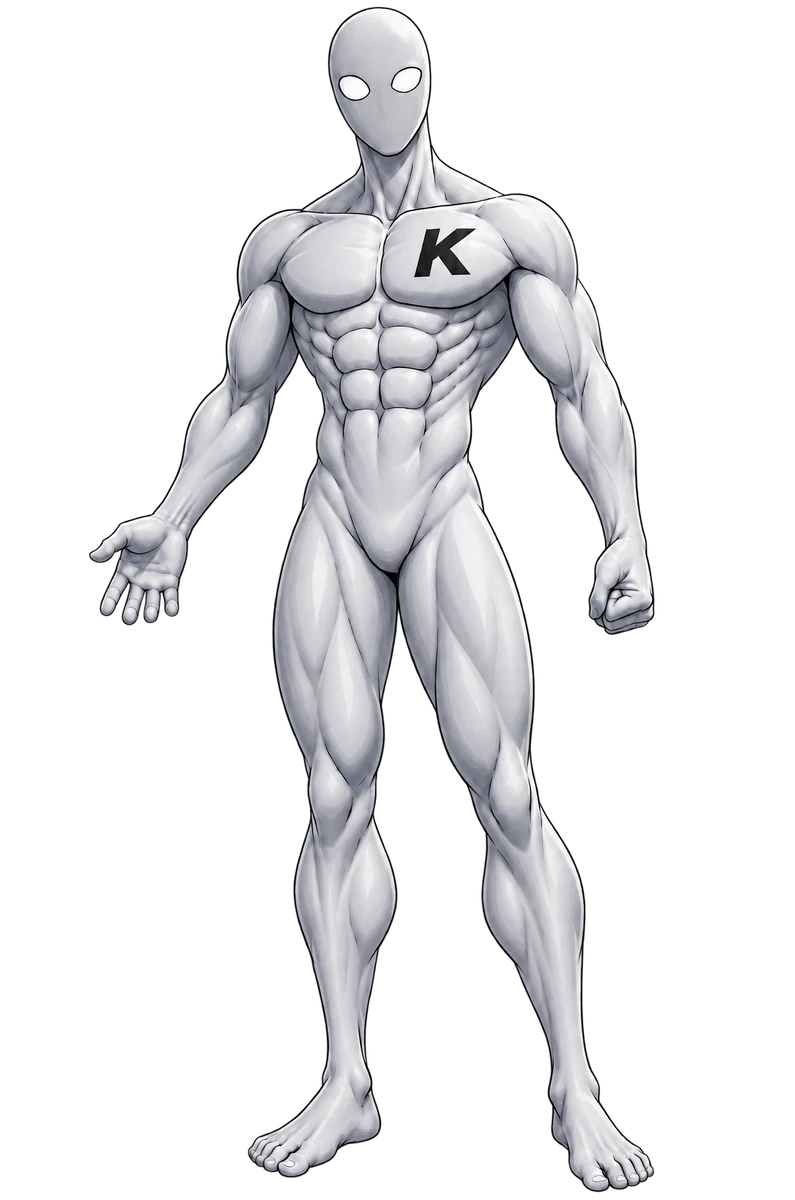
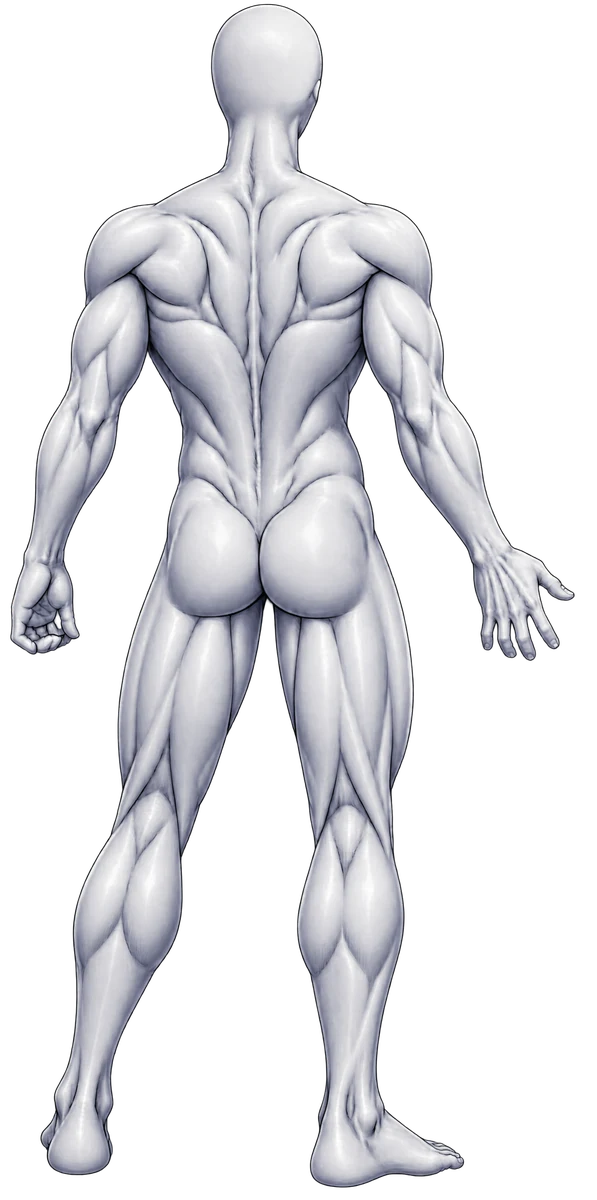
The shoulders remain the dominant target, now working through a range of motion rather than a fixed isometric angle, with the chest and triceps taking on a noticeably larger share of the work than in the static hold because they actively drive elbow extension through the press. The biceps and other shoulder-girdle stabilizers (serratus anterior, trapezius, latissimus) control the scapula and the straight-arm line, while the core, glutes, and legs keep the body rigid as one lever through the movement. The hands and forearms manage grip and fine pressure shifts as the center of mass moves slightly with each rep. Precise EMG data for this specific dynamic variant was not found; the relative emphasis above is a conservative product estimate built from the static planche's muscle profile and the added pressing demand.
Stats
- Strength
- 0.00
- Power
- 0.00
- Balance
- 0.00
- Control
- 0.00
- Endurance
- 0.00
- Mobility
- 0.00
Strength stays the clear primary quality, and it is rated at least as high as the static full planche because the same long-lever shoulder demand now has to be produced dynamically through a range of motion rather than only resisted isometrically. Power is a secondary quality here that the static hold does not have at all, reflecting the work done moving the body through the press. Balance and control remain meaningful — the forward lean and straight body line must hold up while the joint angles change — but they carry a slightly smaller share of the total demand than in the static planche, where holding the balance point for time is the entire task.
Completion criteria
Perform 3 consecutive planche push up reps with straight elbows at the top, a continuous straight line from shoulders to pointed toes maintained throughout the range, and a controlled tempo on both the lowering and pressing phases — no hip sag, no knee bend, and no loss of the forward lean.
Progression thresholds
- Lower threshold
- 1 reps
- Upper threshold
- 5 reps
Treat 5 controlled reps as a product checkpoint for confidently owning this skill, not a universal physiological standard — no fixed rep progression for the full planche push up was found in the available sources. If even 1 clean rep cannot be produced without the hips sagging or the lean collapsing, return to the straddle planche push up or to supplementary pressing work such as the pseudo planche push up until the pattern is solid again.