Element preview
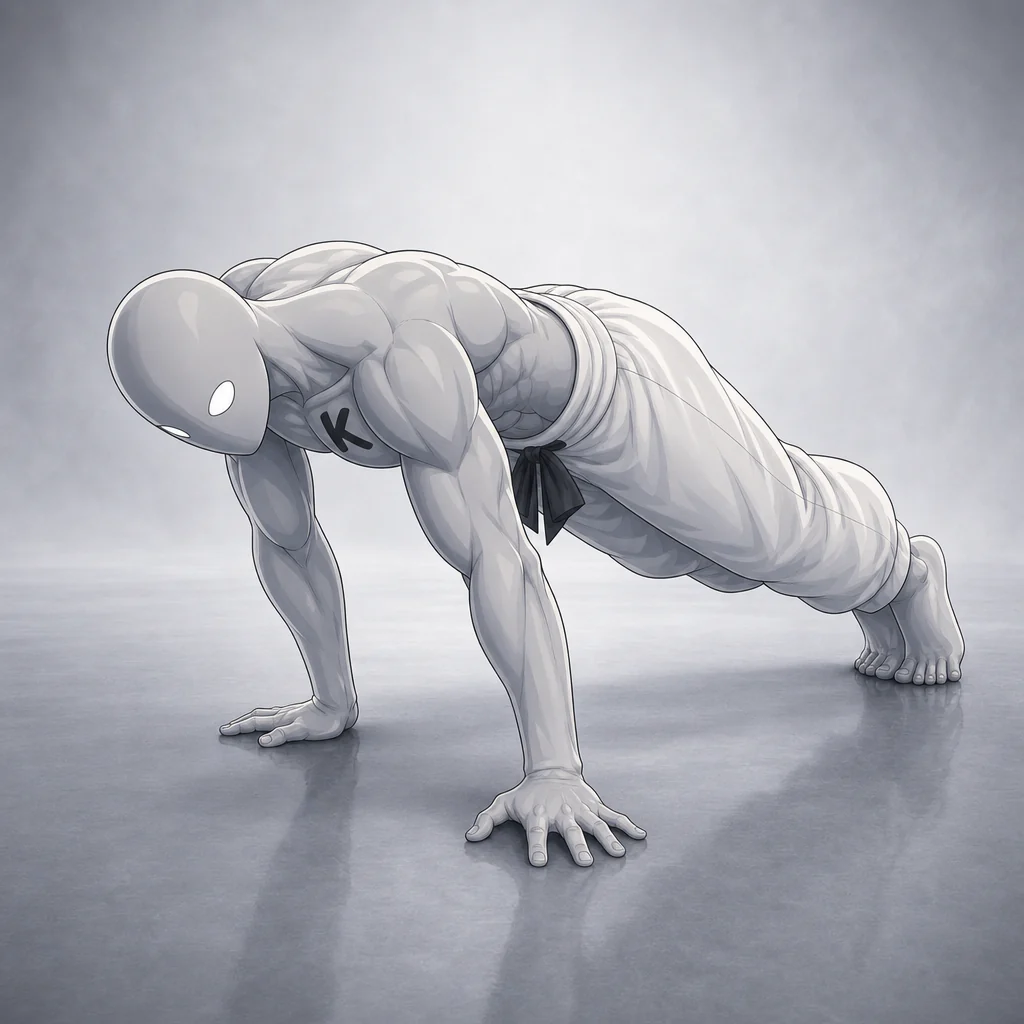
The planche lean is a straight-arm plank variation used as one of the first steps toward the planche: instead of adding load or changing the base of support, it shifts the body's center of mass forward over the hands. That forward shift is the same skill every later planche progression depends on, so building it here — at low risk, with the feet still on the floor — pays off well beyond this single drill.
Technique
- Start in a plank position with the hands flat on the floor, slightly wider than shoulder width, fingers spread and pointing forward or turned slightly outward to protect the wrists.
- Lock the elbows straight and turn the elbow creases forward. Actively protract and depress the shoulder blades without deliberately rounding the upper back.
- Extend the legs behind you, squeeze the glutes and quadriceps, and posteriorly tilt the pelvis so the hips stay in a straight line with the shoulders and ankles.
- Shift your body weight forward by leaning the shoulders past the line of the hands. Keep pressing firmly through the palms and fingers as the load moves onto the hands and forearms.
- Continue the lean only as far as you can hold with straight arms, full-body tension, and the feet still lightly touching the floor. Do not let the elbows bend or the hips rise or sag.
- Hold the lean angle for time while breathing steadily, then shift the weight back and return the feet to a flat, supported position to finish.
Preparation
Before starting planche leans, you should already be comfortable holding a standard plank for 30 seconds or more with straight arms and a neutral spine; that baseline tension and shoulder position carries over directly into the lean. Because the hold moves real load onto the wrists in extension, a short wrist warm-up (gentle extension and flexion stretches, weight shifting on flat palms) before each session is worth the time, and parallettes are a reasonable substitute if a neutral wrist position is better tolerated early on.
Risks
The forward lean places a sustained wrist-extension load on the hands and wrists — build the lean distance gradually over sessions rather than jumping straight to a deep lean, and use parallettes with a neutral grip if wrist pain appears. Bending the elbows during the hold is usually a sign the lean is too aggressive for current straight-arm strength; ease off the lean distance rather than compensating with bent arms. Letting the hips pike up or drop, losing scapular protraction, or holding the breath are other common faults that reduce the training value of the hold and add unnecessary strain to the shoulders. Persistent wrist or shoulder pain warrants backing off the lean and, if it does not resolve, assessment by a qualified healthcare professional.
Muscles
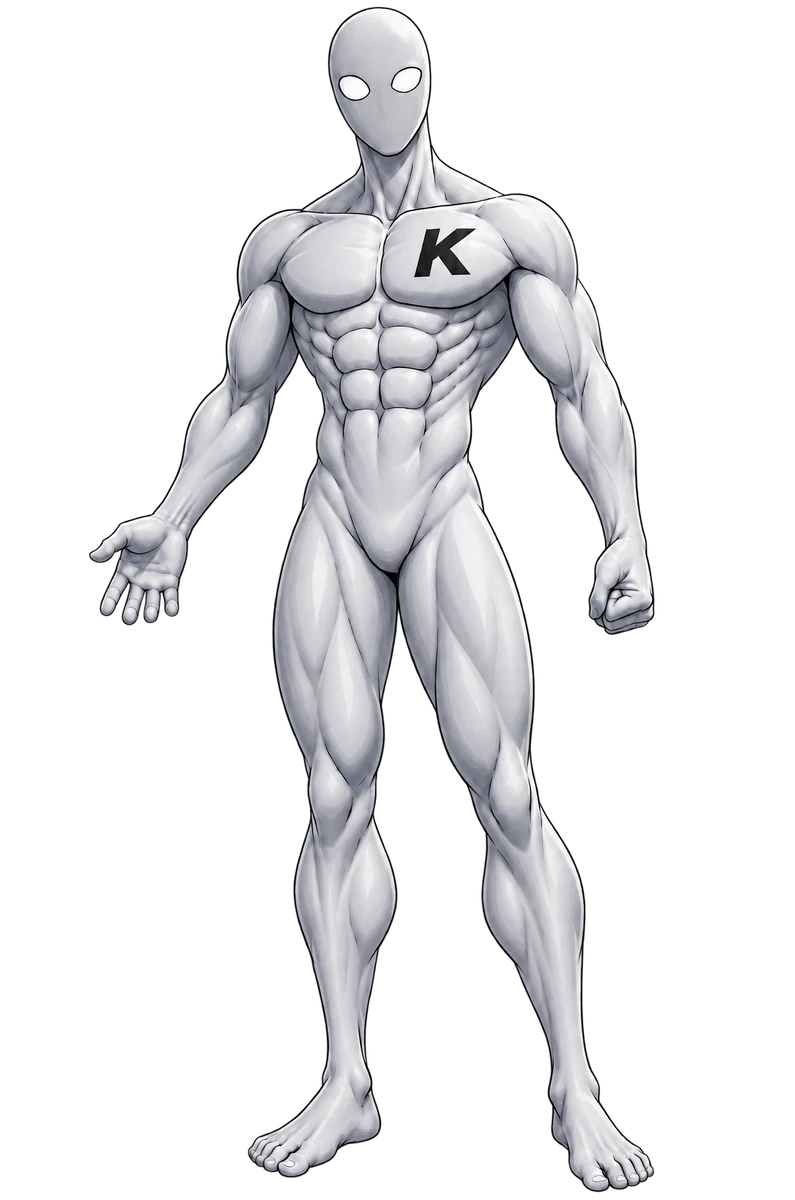
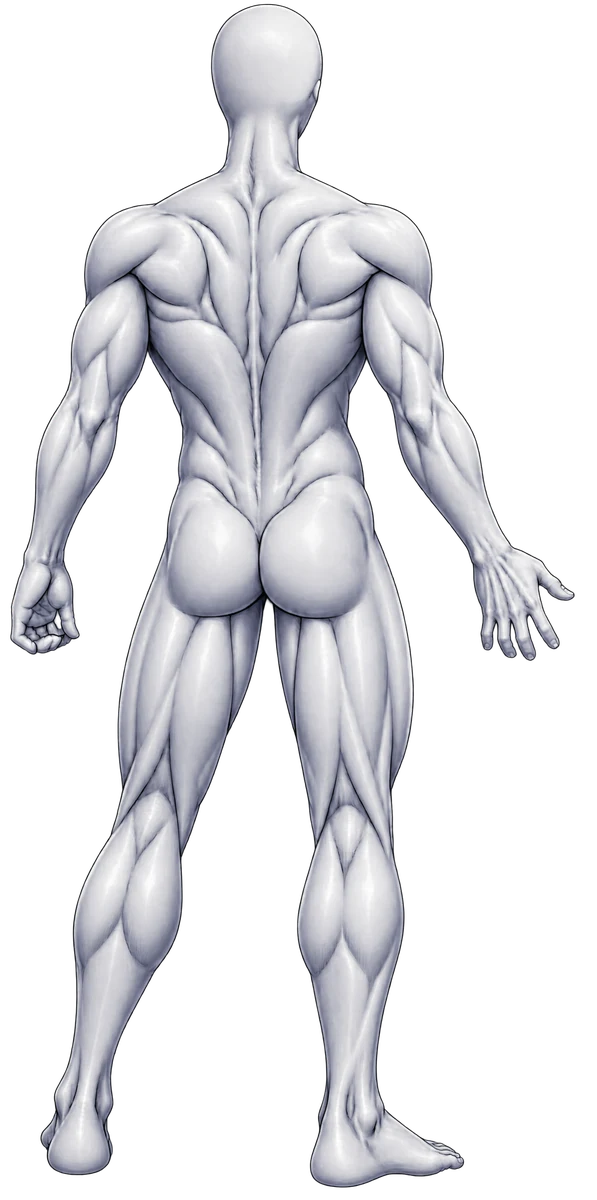
The anterior shoulders carry most of the load as the arms resist the forward-shifted body lever, assisted by the chest and trapezius, which help hold the shoulder blades in a protracted, depressed position. The core and lower back brace the trunk so the hips do not sag or pike, while the glutes and legs keep the lower body rigid. The triceps hold the elbows locked straight, and the hands and forearms bear the wrist-extension load and make the small pressure adjustments that keep the lean stable.
Stats
- Strength
- 0.00
- Balance
- 0.00
- Control
- 0.00
- Endurance
- 0.00
- Mobility
- 0.00
- Power
- 0.00
Strength is the primary quality here — resisting the shoulder-flexion moment created by leaning the body weight forward is the main task, and it is a lighter version of the demand seen in the frog stand and full planche later in this progression. Balance is a clear secondary component, since part of the skill is finding how far forward the shoulders can travel before control is lost, and control is tertiary, covering the steady scapular and hip positioning needed to hold the lean cleanly rather than let it drift.
Completion criteria
Hold a controlled forward lean — feet only lightly weighted, straight arms, active shoulder protraction, and no hip pike or sag — for roughly 20-30 seconds before increasing the lean angle or moving on to the next progression, such as the frog stand or a straight-arm tuck planche attempt.
Progression thresholds
- Lower threshold
- 10 s
- Upper threshold
- 25 s
If the hold breaks down before 10 seconds — elbows bending, hips sagging or piking, or the lean angle collapsing — reduce the lean distance and rebuild strict form at a shallower angle. Once a clean lean can be held for about 25 seconds with the feet only lightly weighted, increase the lean angle, or move on to the frog stand or early straight-arm tuck planche work.