Element preview
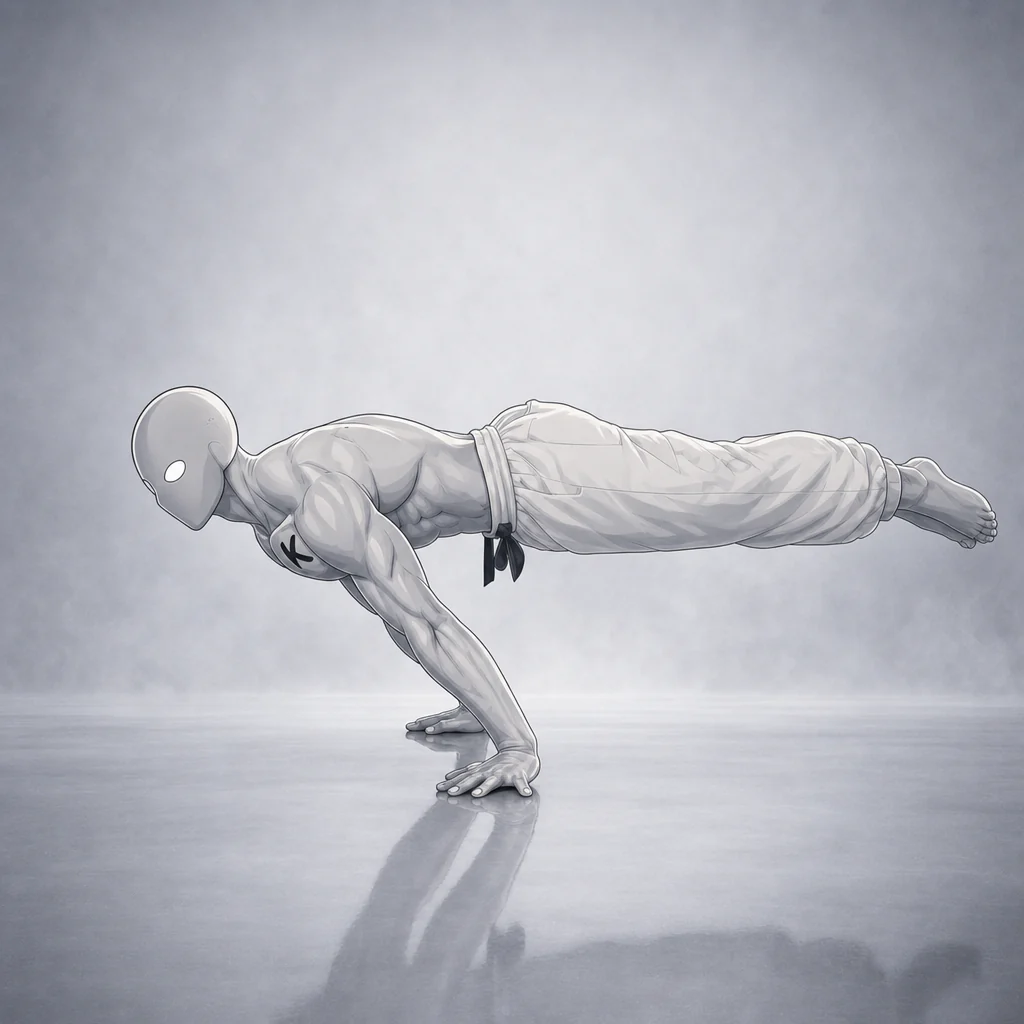
The full planche is a straight-arm support hold in which the body remains rigid and parallel to the floor while the hands provide the only contact with the support. Moving the legs together from a straddle lengthens the lever, so the skill demands exceptional shoulder-flexion strength, whole-body tension, and precise control of the forward lean.
It is the terminal static milestone in this planche branch. The balance mechanics vary with body proportions, and no source establishes a universal learning timetable, so clean positions in the prerequisite progressions matter more than a fixed schedule.
Technique
- Begin from a low squat. Place your hands on a firm, level floor or on low parallettes, just outside your hips, and grip the support firmly.
- Lock the elbows. Keep the shoulder girdle active with the shoulder blades protracted and depressed, without deliberately rounding the upper back.
- Lean forward until your shoulders move well past your hands and your feet become light. Keep looking slightly ahead of your hands rather than tucking the chin hard.
- Continue the lean as you raise the hips to shoulder height and extend both legs together. Point the toes and make one straight line from shoulders through hips, knees, and ankles.
- Brace the trunk, squeeze the glutes and legs, and press firmly through the hands. Maintain the lean that keeps your center of mass over the base of support.
- Hold the body parallel to the floor with straight arms and a steady shoulder position. End the attempt before the elbows bend or the hips and shoulders lose alignment, then return the feet to the floor under control.
Preparation
Equipment and conditions
- A clear, firm, level floor with enough space to step or lower out safely.
- Optional low parallettes for a neutral-grip support position.
- A pain-free, movement-specific warm-up and an established straddle planche before full-planche attempts.
The locked prerequisite is the straddle planche. Before full-planche attempts, use the related movements to address specific parts of the skill:
- Tuck planche for compact straight-arm support.
- Planche lean for the shoulder-forward balance point and hand-support tolerance.
- Pseudo planche push up for dynamic strength in a similar forward-leaning push pattern.
Treat the full planche as a small change in leverage from a position you already control: close the straddle gradually while preserving straight elbows, active shoulders, and a level hip line. If bringing the legs together changes those landmarks, return to the variation you can hold without compensation.
Risks
- A floor planche places substantial body-weight support through extended wrists. Build exposure progressively, stop if wrist or elbow pain develops, and use parallettes if a more neutral wrist position is better tolerated.
- Do not jump or drop into the hold. Enter through a controlled lean so you can return your feet to the floor if the balance point is lost.
- End the set when the elbows bend, the shoulder blades lose their active position, or the hips drop. These are signs that the chosen progression or hold duration is no longer appropriate.
- Persistent joint pain, swelling, or loss of motion warrants assessment by a qualified healthcare professional rather than more planche attempts.
Muscles
- Shoulders0%— show exercises
- Biceps0%— show exercises
- Core0%— show exercises
- Chest0%— show exercises
- Hands0%— show exercises
- Forearms0%— show exercises
- Glutes0%— show exercises
- Trapezius0%— show exercises
- Quadriceps0%— show exercises
- Triceps0%— show exercises
- Latissimus Dorsi0%— show exercises
- Lower Back0%— show exercises
- Hamstrings0%— show exercises
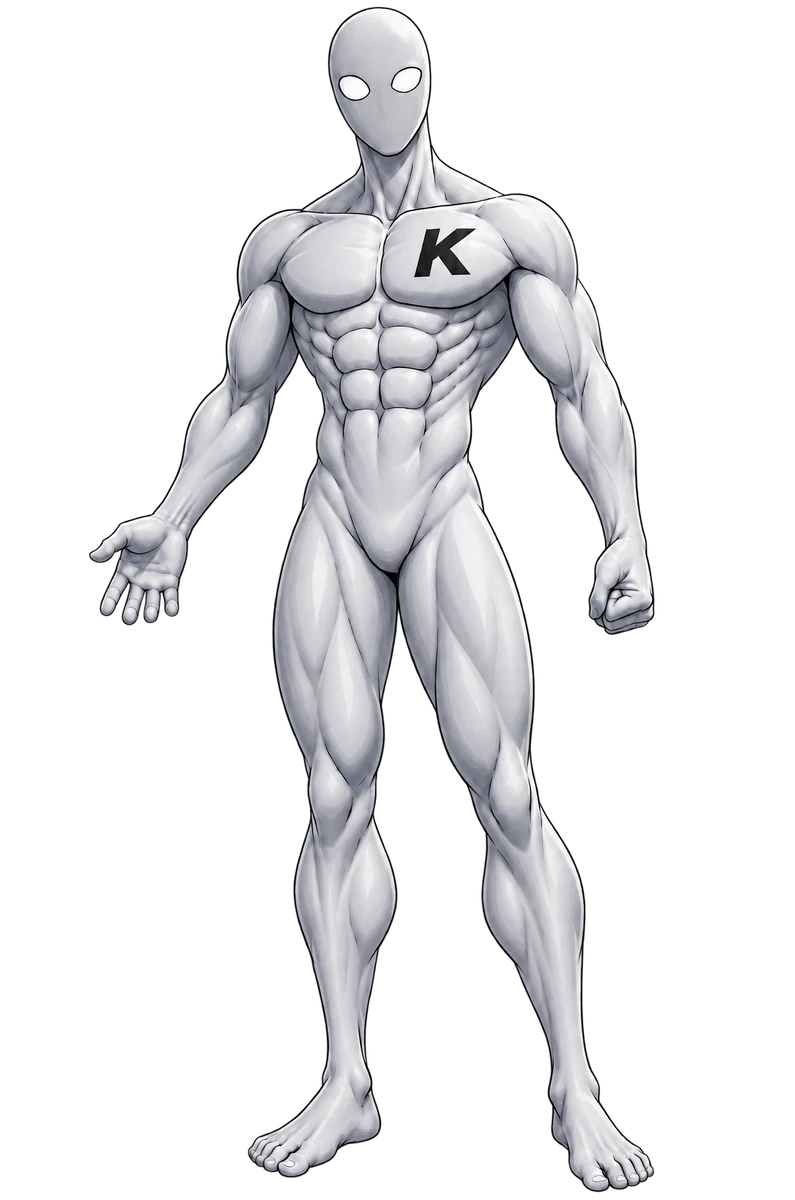
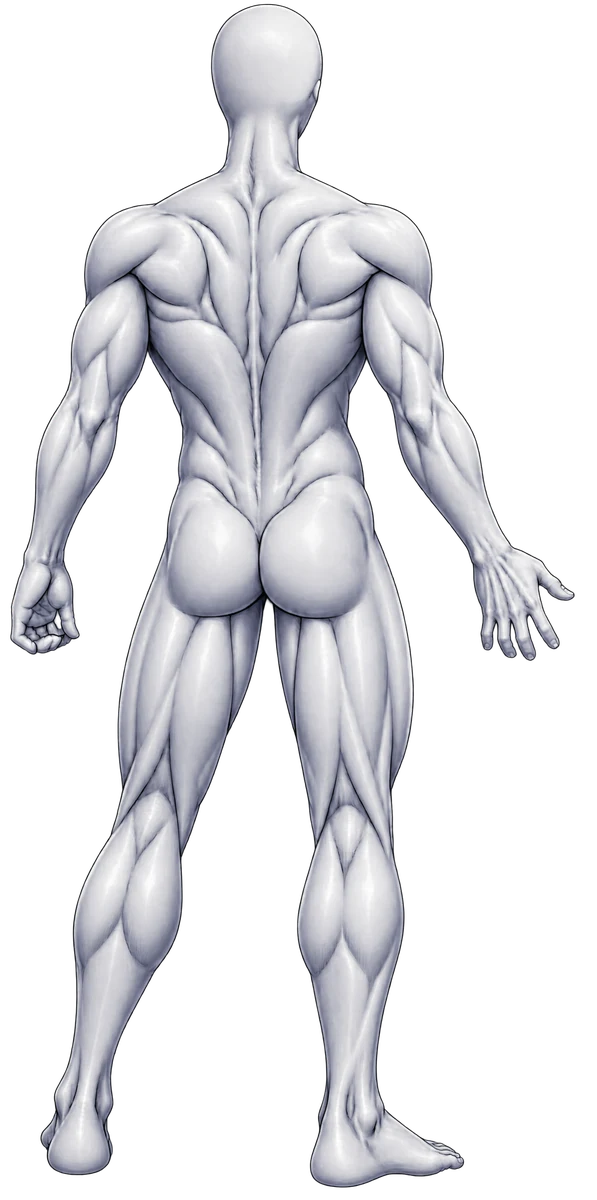
The shoulders carry the dominant load as the arms resist the long body lever. The biceps contribute strongly to straight-arm shoulder flexion, while the chest, serratus anterior, trapezius, latissimus, and other shoulder stabilizers coordinate the upper arm and shoulder blade. The core, glutes, and legs create the rigid body segment; the hands and forearms maintain the support and make small pressure adjustments. Direct EMG evidence comes from the ring support scale, so the exact balance among these muscles on a stable floor is treated here as a conservative product estimate.
Stats
- Strength
- 0.00
- Balance
- 0.00
- Control
- 0.00
- Mobility
- 0.00
- Endurance
- 0.00
- Power
- 0.00
Strength is the clear primary quality because the athlete must oppose a large shoulder moment without bending the arms. Balance is secondary: small changes in hand pressure and forward lean determine whether the center of mass stays over the hands. Control is tertiary because the shoulder blades, pelvis, knees, and ankles must remain organized as one line; power, endurance, and mobility are supporting qualities rather than the defining demand.
Completion criteria
Hold a full planche for 5 seconds with straight elbows, an active shoulder girdle, and a continuous horizontal line from shoulders to pointed toes. Enter and exit under control, without a foot touch or a visible break at the hips.
Progression thresholds
- Lower threshold
- 2 s
- Upper threshold
- 10 s
Use 10 seconds as a product checkpoint for beginning controlled transitions such as planche presses or planche push-up preparation, not as a universal physiological threshold. If a clean full position cannot be established for about 2 seconds, return to the straddle planche or a supported variation and keep the same technical landmarks.