The pike push-up takes a standard push-up and folds the hips into an inverted-V position, which tilts the torso and closes the angle between the arms and the trunk. That shift moves a large share of the pressing demand off the chest and onto the shoulders, making the pike push-up one of the most common bodyweight lead-ups toward pressing overhead in a handstand: it lets you rehearse a more vertical pressing line, and the elbow and scapular positioning it teaches, without needing to hold an inverted balance at the same time.
Technique
- Start in a downward-dog/pike position: hands roughly shoulder-width apart, feet walked in closer to the hands than in a normal push-up so the hips lift high and the body forms an inverted V.
- Keep the elbows tracking straight back over the wrists throughout the descent — do not let them flare out to the sides.
- Lower by bending the elbows and letting the head travel forward and down, aiming to bring the head in front of the hands (nose toward the floor) rather than dropping it straight down between them.
- Lightly touch the floor with the head/nose, keeping the hips high and the pike angle steady, then press back up along the same forward path to the starting pike position.
Preparation
Risks
The most common technical fault is letting the head drop straight down between the hands instead of driving it forward: this causes the elbows to flare outward and increases strain on the shoulder joint. It is also a deceptively easy way to rack up more reps while reinforcing the wrong pattern, so reps done this way should not be counted toward progress. As with any vertical pressing drill, the wrists carry a significant share of bodyweight in an extended position, so build up wrist tolerance gradually and warm up before loading them. Tight hamstrings can make it hard to keep the hips high and the pike angle steady; if the position collapses, regress by elevating the feet on a step or box rather than forcing it from the floor.
This movement sits above the basic push-up in the same pushing family: a comfortable base of standard push-up strength makes the steeper pressing angle and the head-forward technique easier to control. From here, the pattern continues toward more advanced horizontal and vertical pressing work — the archer push-up is often trained alongside or after it. If the piked hip position collapses or the hamstrings feel too tight to hold it, elevate the feet on a low step or box to reduce the fold at the hips while keeping the same pressing mechanics.
Muscles
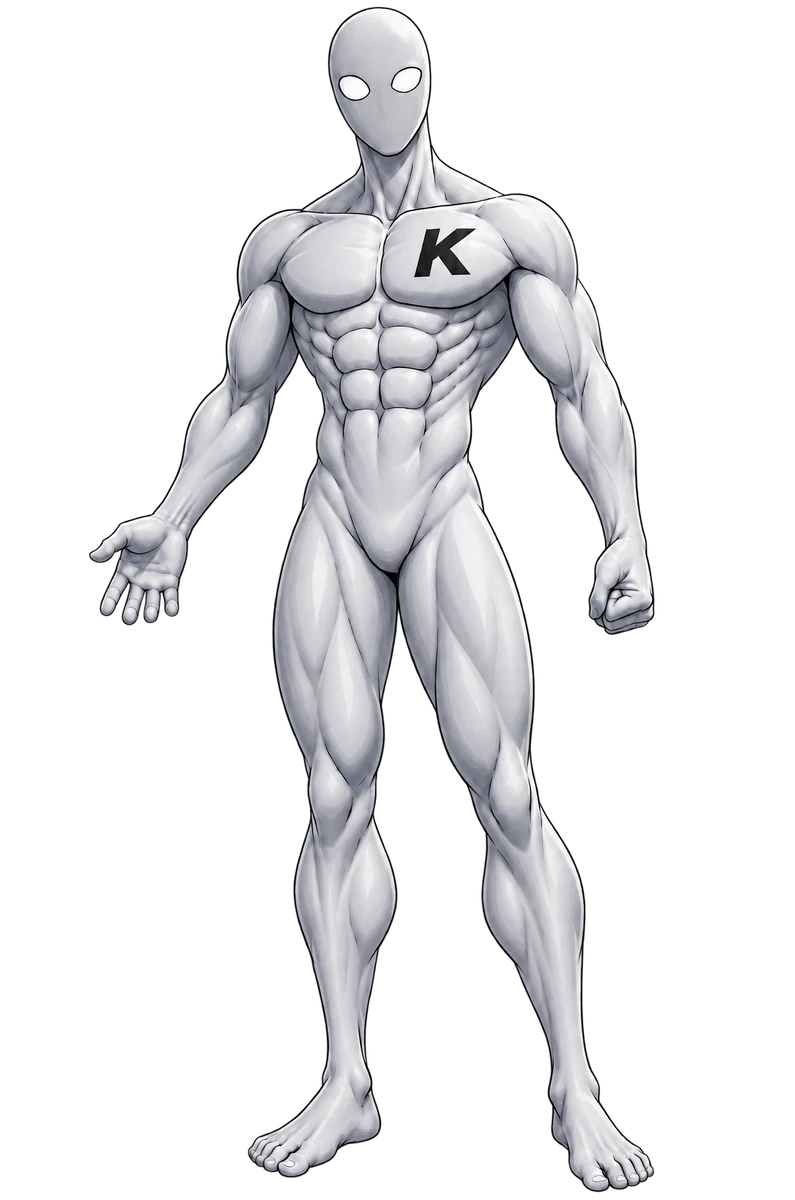
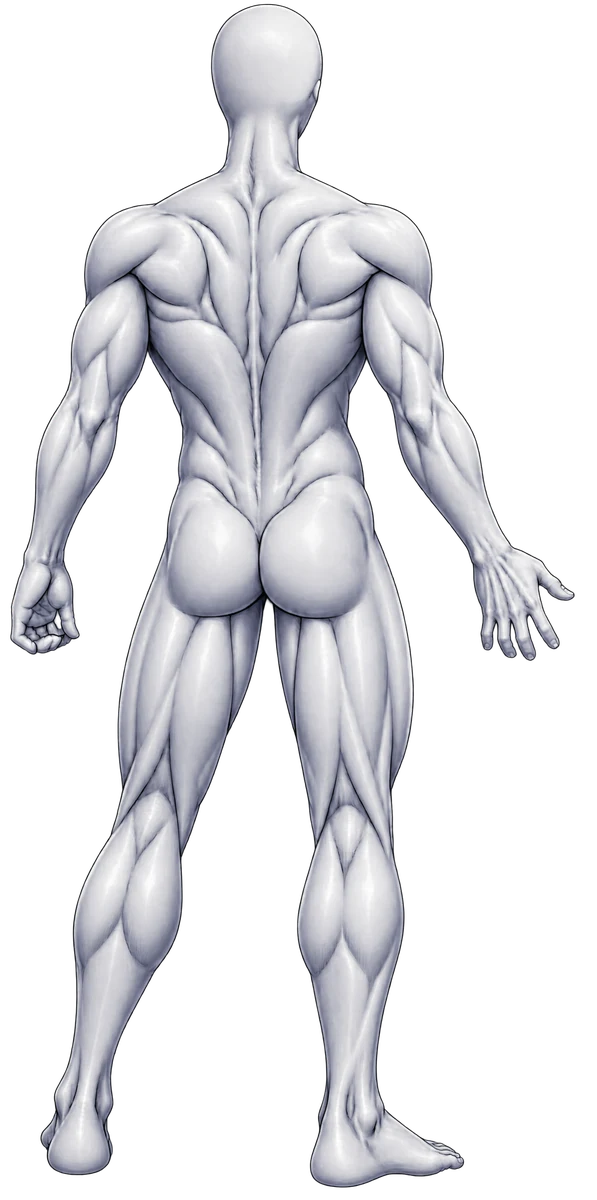
Closing the hip angle steepens the pressing line compared with a standard push-up, so the shoulders — particularly the anterior and medial deltoids — take on the primary load as the prime movers of the press. The triceps drive elbow extension through the full range, and the chest still contributes meaningfully because the arm-to-trunk angle in a pike is not yet fully vertical, unlike a true overhead press. The core braces isometrically to keep the pike angle from collapsing, while the trapezius helps control scapular movement through the press, and the forearms, hands, and lower back work as stabilizers managing the load and the head-forward weight shift.
Stats
- Strength
- 0.00
- Endurance
- 0.00
- Mobility
- 0.00
- Control
- 0.00
- Balance
- 0.00
- Power
- 0.00
This is primarily a strength movement, but with a distinctly higher endurance and mobility component than a flat push-up: it is commonly trained for sets of reps as a strength-endurance builder on the way to harder vertical presses, and holding the piked position demands real hamstring and shoulder flexibility. Balance and power play only minor roles since the base of support is wide and stable and the tempo is controlled rather than explosive.
Completion criteria
Perform 10 strict reps: hips held high in a steady pike position throughout, elbows tracking straight back without flaring, and the head traveling forward past the hands to lightly touch the floor on every rep.
Progression thresholds
- Lower threshold
- 5 reps
- Upper threshold
- 12 reps
Once reps become easy with strict head-forward technique, hips high, and no elbow flare, it's time to explore steeper vertical presses such as feet-elevated pike push-ups or wall-supported handstand push-up work. If reps are breaking down before the lower threshold — head dropping straight down, hips sagging, or elbows flaring to compensate — build back up with standard push-ups and revisit hamstring/shoulder mobility work before returning to this movement.