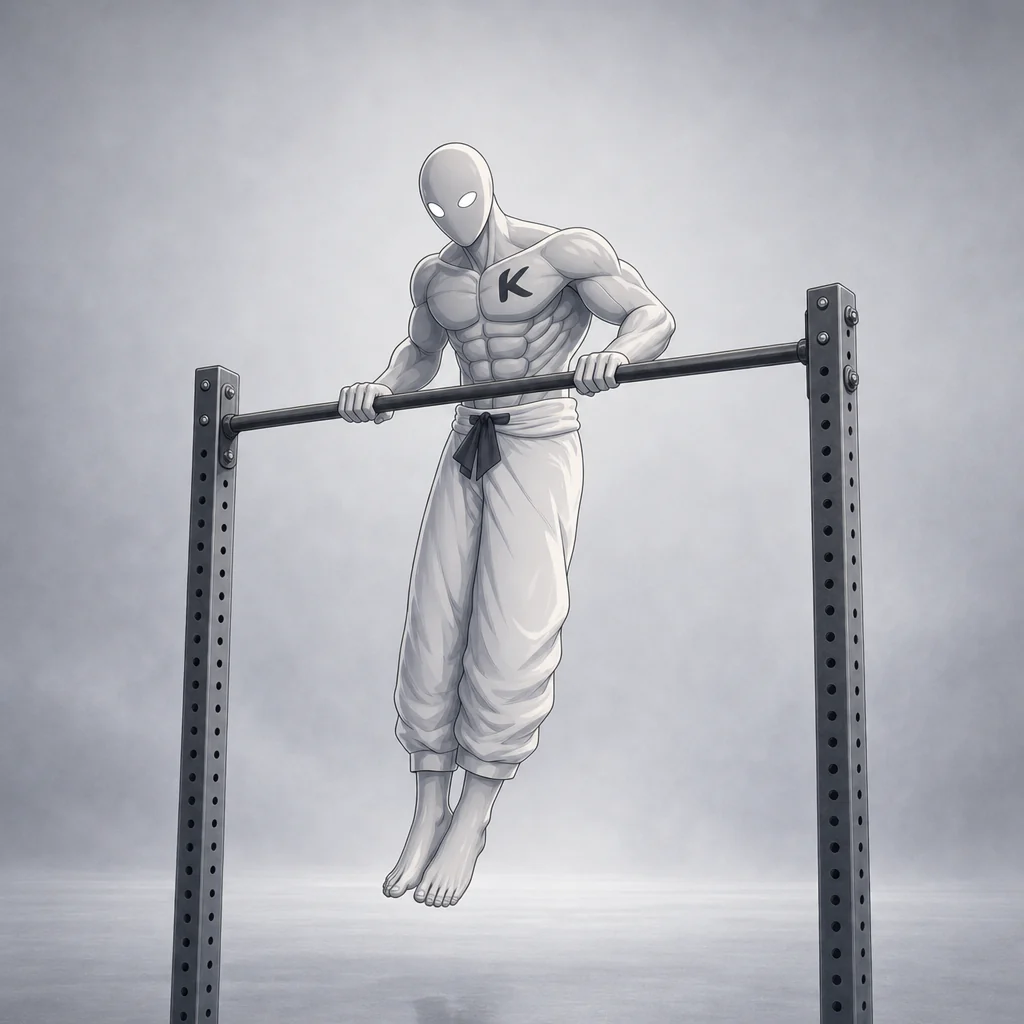
The strict bar muscle-up links a full hang to support above a fixed bar in one continuous repetition. It combines a high pull, a coordinated turnover, and a straight-bar dip without borrowing momentum from a kip. The fixed bar makes the transition unforgiving: the torso must rise high enough before it can move over and around the bar.
Technique
- Take a shoulder-width overhand grip and begin in a motionless dead hang with straight elbows and clear space around the bar.
- Brace your trunk and legs. Pull the bar down while driving your elbows back, keeping the body quiet rather than creating a kip or leg swing.
- Continue pulling until your torso is high enough to travel around the bar. Stay behind the bar until you have earned that height; turning over too early stalls the transition.
- Lean your chest over the bar and bring both elbows above it together, arriving in a balanced bottom position of a straight-bar dip.
- Press to a stable support with the elbows fully extended. Reverse the path under control and finish in a full hang before the next repetition.
Preparation
Equipment and conditions
Use a rigid pull-up bar high enough for a full dead hang, with clear space above and on both sides of the bar. A stable step or box may be used to reach the start safely, but it should be moved out of the movement path before the repetition.
Build the movement from its parts before repeatedly testing the whole skill. Full-range pull-ups establish the base pulling pattern, while controlled dips prepare the press to support. High pull-ups toward the lower chest or upper abdomen address the extra height needed for a strict turnover. Assisted transitions and slow descents can then be used to practice the path around the bar.
The kipping muscle-up can teach the broad route from hang to support, but the kip supplies momentum. For the strict version, reduce the swing progressively and make the pull itself produce the required height. If the transition still happens one arm at a time, return to high pulls and lower transition drills rather than rehearsing the asymmetry.
Risks
Use a securely mounted bar with enough overhead and surrounding clearance. Build training volume gradually and attempt strict repetitions while fresh enough to control the transition and descent.
Do not force an uneven, one-arm-at-a-time turnover or drop suddenly from above the bar. Regress to high pulls, assisted transitions, or controlled negatives if you cannot keep both shoulders moving together. Stop if the movement causes sharp or increasing pain in the shoulders, elbows, or wrists.
Muscles
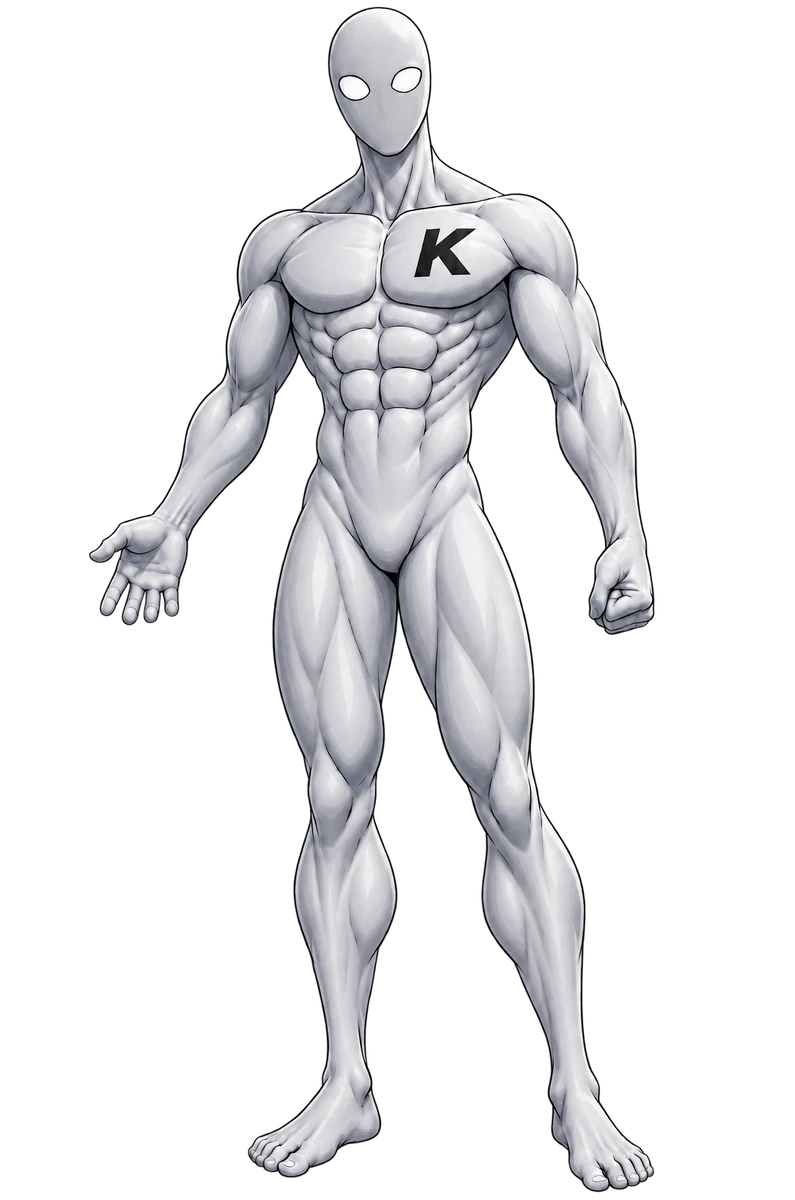
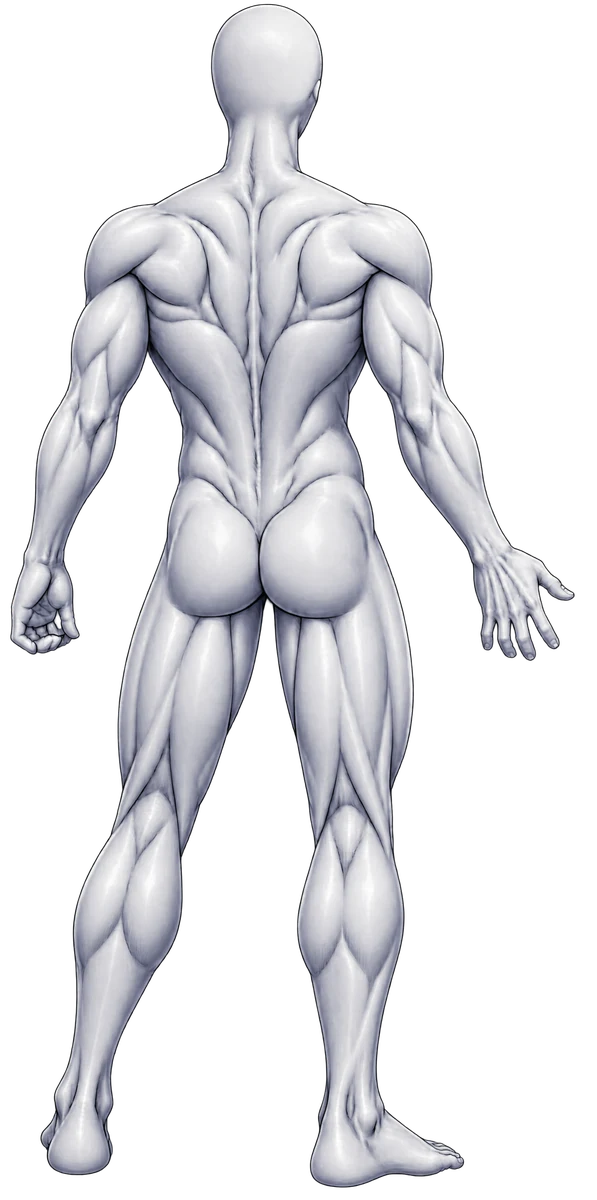
The latissimus and biceps lead the pull, with the forearms maintaining the grip and the trapezius and shoulder musculature organizing the shoulder blades. After the turnover, the triceps and chest drive the press to support. The core keeps the trunk and legs quiet so that strict pulling force is not replaced by a swing.
Stats
- Strength
- 0.00
- Power
- 0.00
- Control
- 0.00
- Endurance
- 0.00
- Mobility
- 0.00
- Balance
- 0.00
Strength dominates because the athlete must pull and press their full body mass through a difficult transition. Power is secondary: even without a kip, the pull must produce height before momentum fades. Control matters most during the turnover and descent, while endurance, mobility, and balance make smaller contributions to a single clean repetition.
Completion criteria
Complete one unassisted repetition from a motionless dead hang to a stable support with straight elbows, then return under control to a full hang. The repetition should use no kip or leg drive, and both elbows should pass over the bar together without a one-arm turnover.