Element preview
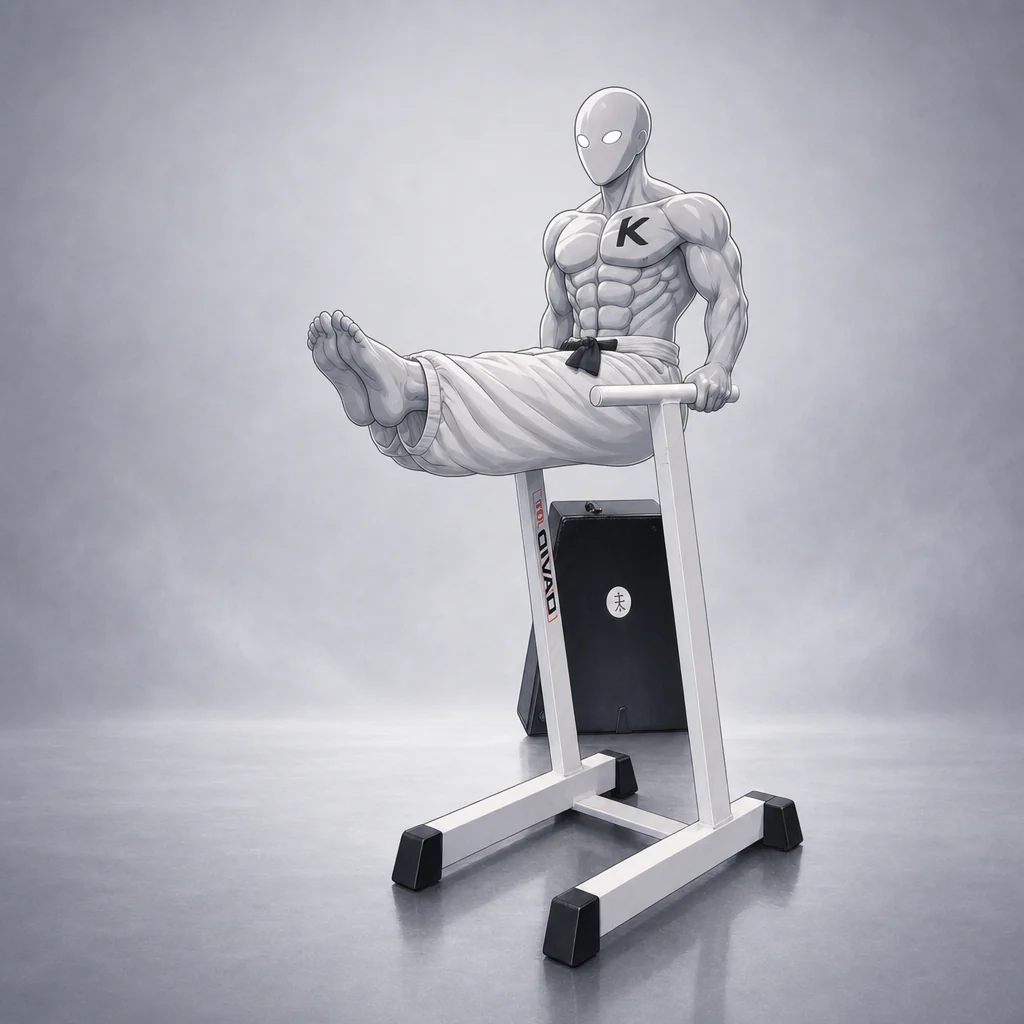
Preview · 0:06
A short look at the whole element in motion.
This is an overview clip, not a technique reference — the form in it may be imperfect. Follow the steps in Technique.
Combining an L-sit with a dip turns a straightforward pushing exercise into a compound skill: the arms still have to lower and press the body through a full dip, but the legs must stay pinned out in front in an L-sit for every rep. It sits between the dip and the L-sit on the parallel-bar pushing line, and it is noticeably harder than either movement done alone, since neither the shoulders nor the core get a break during the set.
Technique
- Set up on parallel bars or parallettes with arms straight and shoulders depressed and slightly retracted rather than shrugged up toward the ears.
- From support, raise the legs into a full L-sit — hips flexed, knees locked, legs held roughly parallel to the floor — before starting the first rep, and keep that leg line locked for the whole set.
- Brace the trunk and hip flexors hard so the pelvis does not tip backward and the legs do not drop as the dip gets harder.
- Lower under control, over roughly 2 seconds, to a consistent moderate depth (upper arms approaching parallel to the floor), keeping the elbows tracking back rather than flaring wide.
- Press back up to full elbow lockout while keeping the legs level and the shoulders down, then reset before the next rep.
- If the leg line collapses before the arms give out, regress to a tucked or single-leg L-sit dip instead of finishing reps with the legs dropped.
Preparation
Before loading full reps, be comfortable holding a strict L-sit for several seconds on the same bars and doing dips to a consistent depth separately. Combining the two before either piece is solid usually shows up as sagging legs or a shortened, sloppy dip rather than a clean rep.
Risks
This movement stacks the dip's deep, loaded shoulder-extension bottom with the L-sit's sustained hip-flexor and core tension, so both fatigue points build up within the same rep. As with a plain dip, descending past roughly 90° of elbow bend raises anterior shoulder-joint stress faster than it raises muscle work, and holding a hard L-sit brace at the same time makes it easier to miss early warning signs at the front of the shoulder. Keep the depth consistent rather than chasing extra range, keep the shoulders depressed instead of shrugged, and stop the set — rather than pushing through it — if the legs drop, the lower back rounds, or you feel shoulder pinching.
Muscles
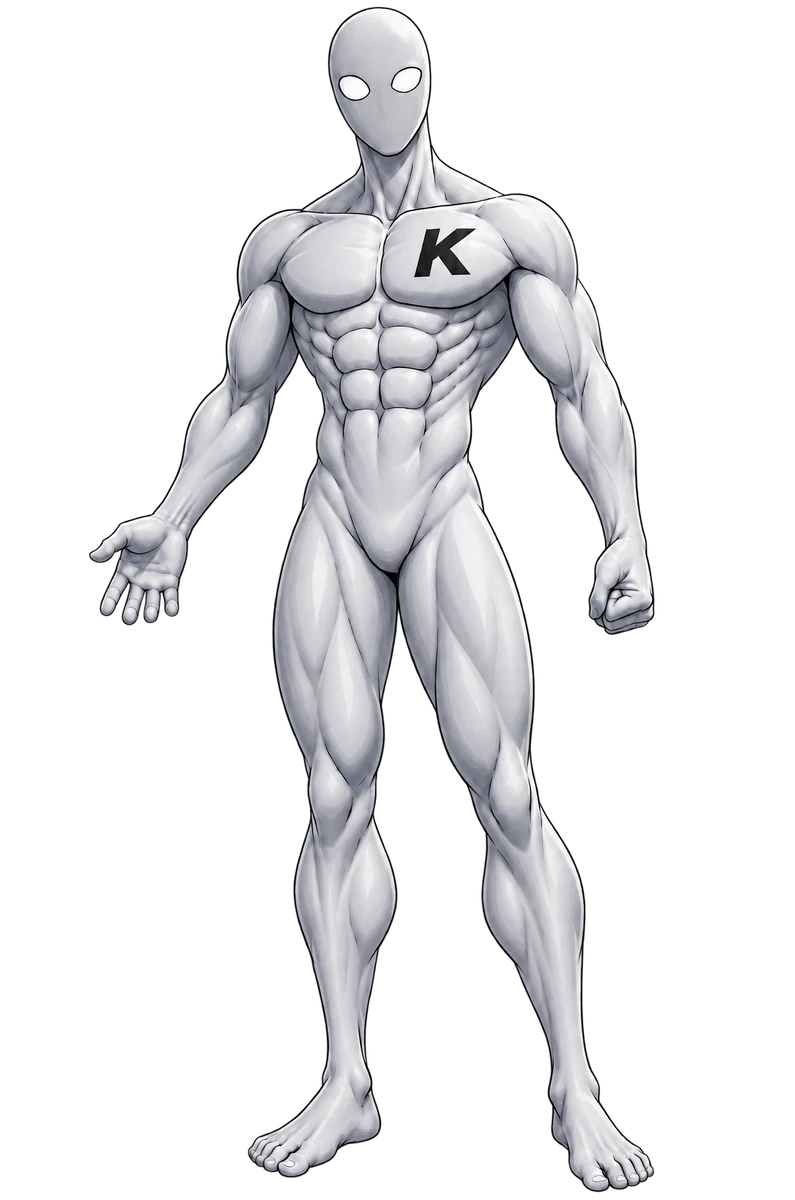
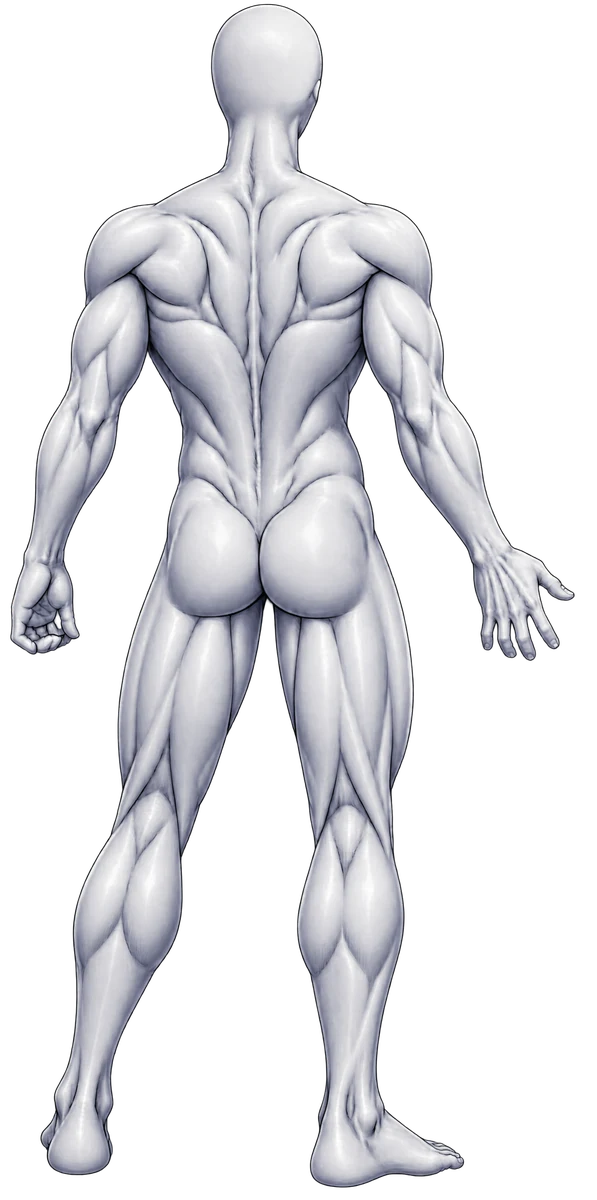
The triceps, chest, and shoulders do the pressing work of the dip itself, while the core and hip flexors carry the isometric L-sit load throughout — unlike a plain dip, they never get to rest between reps. Quadriceps and hamstrings lock the legs straight, the lower back and trapezius help resist the pelvis tipping and the shoulders hiking, and the forearms and hands stabilize the grip on the bars.
Stats
- Strength
- 0.00
- Control
- 0.00
- Endurance
- 0.00
- Mobility
- 0.00
- Power
- 0.00
- Balance
- 0.00
Strength still leads, since pressing the whole bodyweight through a dip is the limiting factor, but control takes a clear secondary role because holding the leg line steady while the arms work is a coordination skill in its own right. Endurance and mobility play smaller supporting parts — the set only lasts a handful of reps, but the hip flexors and hamstrings need enough range to keep the legs level.
Completion criteria
5–6 consecutive reps to a consistent, moderate depth with the legs held level in a full L-sit throughout, full elbow lockout at the top, and no loss of leg position or shoulder pain.
Progression thresholds
- Lower threshold
- 3 reps
- Upper threshold
- 8 reps
Regress toward a tucked or single-leg L-sit dip, or back to plain dips and an isolated L-sit hold, if the leg line or dip depth breaks down early in the set. Progress toward ring dips once L-sit dips are strict and controlled, since removing the fixed bar support adds a further stability demand on top of the same pressing and core work.