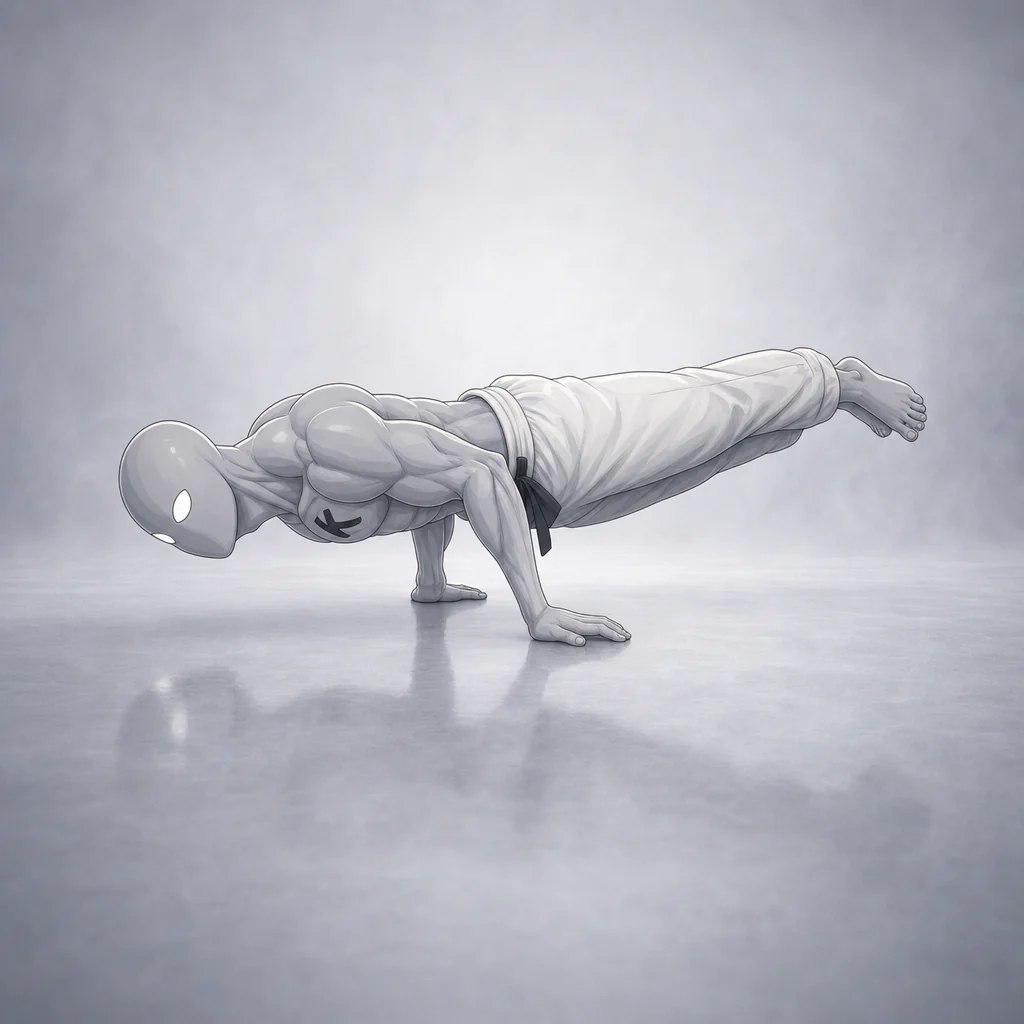
The elbow lever is a static, horizontal hand-balance in which the torso rests on bent elbows while the hands provide the base of support. Unlike a straight-arm planche, the abdominal elbow contact shortens the effective body lever, so the defining challenge is learning the exact balance point and keeping a calm, rigid body line there.
Technique
- Use a clear, firm, level floor. Place the hands slightly narrower than shoulder width, with fingers spread. Turn the fingers forward or slightly to the sides; choose the position that lets the wrists stay comfortable and stable.
- From a low squat, place both elbows firmly against the abdomen between the navel and the front of the hip bones. Keep the elbows close to the midline rather than letting them slide outward.
- Brace the trunk, straighten the legs behind you, and lean forward slowly. As the shoulders travel forward, open the elbow angle toward roughly 120 degrees; the exact angle varies with body proportions.
- When the feet become light, keep moving as one unit until the body is parallel to the floor. Depress and slightly protract the shoulder blades without rounding the upper back.
- Maintain a long line from shoulders through hips, knees, and ankles. Use small changes of pressure through the hands and forearms to stay balanced; do not chase balance by bending at the hips or knees.
- To finish, shift the weight back gradually and lower the feet under control before the body sags or the elbows lose their abdominal contact.
Preparation
Equipment and conditions
- A clear, firm, level floor with enough room to lower the feet safely.
- Optional low parallettes if their grip permits a more comfortable wrist position.
- A brief movement-specific wrist and shoulder warm-up before loaded attempts.
The locked prerequisite is the frog stand. As a conservative product/coaching suggestion—not an evidence-validated prerequisite—use it to rehearse a forward weight shift, hand pressure, and a controlled exit before attempting the elbow lever. A planche lean is likewise an optional conservative coaching drill for gradually loading the wrists and moving the shoulders forward over the hands without lifting the feet immediately.
Start with toe-supported attempts: establish the hand and elbow contact first, then lean forward until the toes only lightly assist. A tuck or straddle can shorten the lever while you learn the balance point. Progress to the straight-body version only when the hips stay level and the elbows do not slide away from the abdomen.
Risks
- The elbow lever is a weight-bearing wrist position. Build time and attempt volume gradually, and do not force through wrist pain or other wrist symptoms. Persistent wrist pain, swelling, or reduced wrist motion should be assessed by a qualified healthcare professional.
- A forward lean without opening the elbows can send the body forward. Learn on a clear surface where you can set the feet down safely; use a padded practice surface or a spotter while you are still learning the balance point.
- Do not accept a sagging hip line or a rounded upper back just to keep the feet off the floor. Return to a shorter tuck or toe-supported attempt when those landmarks cannot be maintained.
Muscles
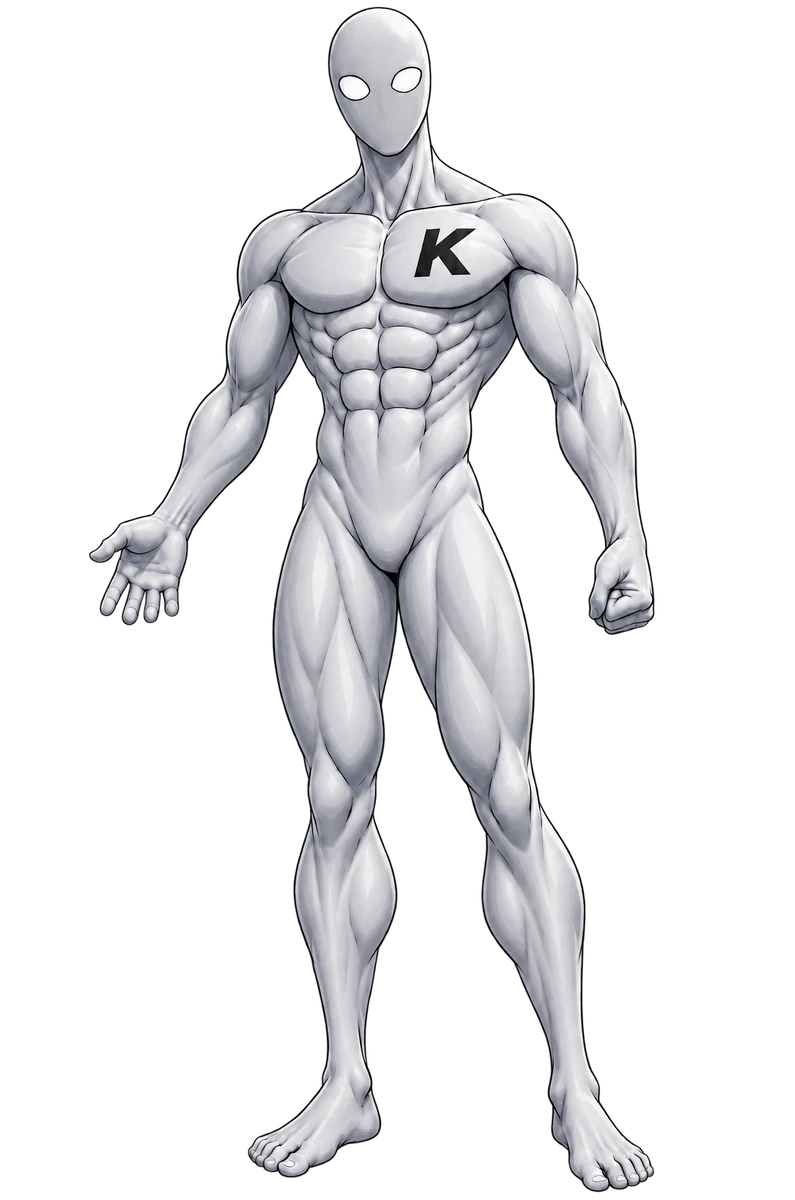
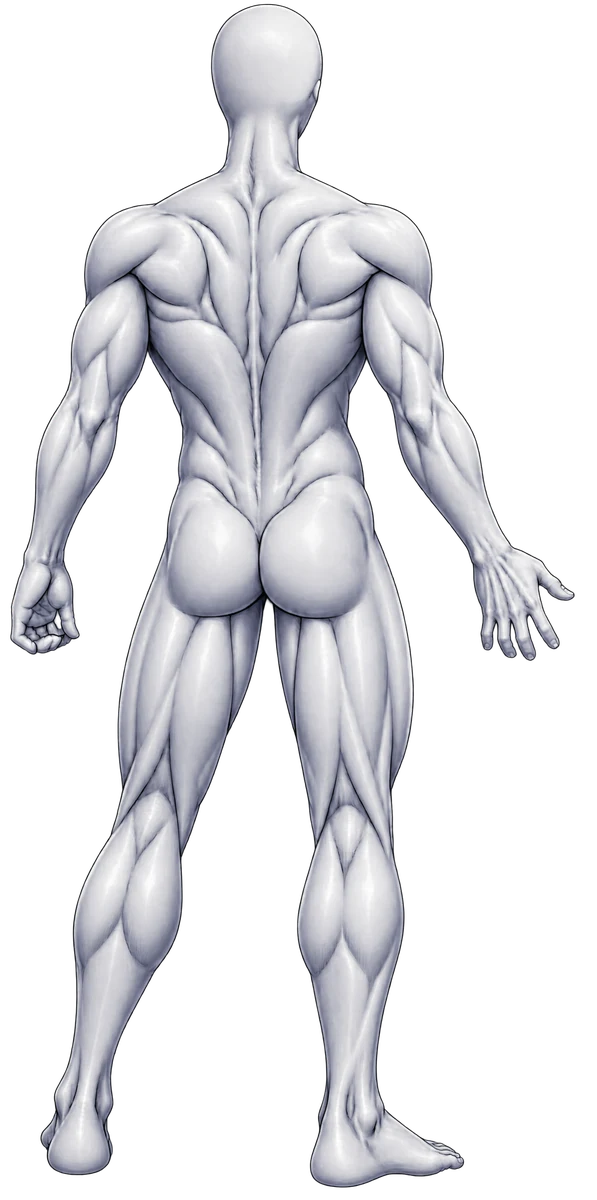
The shoulders, triceps, and chest stabilize the bent-arm support, while the hands and forearms make the small pressure changes that keep the center of mass over the base. The core is equally important for turning the torso and legs into one horizontal segment; the glutes and quadriceps help prevent the hips and knees from folding. The trapezius and lower back assist the active shoulder and trunk position rather than driving the balance by themselves.
Stats
- Balance
- 0.00
- Control
- 0.00
- Strength
- 0.00
- Endurance
- 0.00
- Mobility
- 0.00
- Power
- 0.00
Balance is the primary demand: once the elbows are placed correctly, the athlete must find a narrow forward-and-back balance point without swinging. Control is secondary because the shoulder blades, trunk, and legs must stay organized as one line. The bent elbows and abdominal support keep the strength requirement below a straight-arm planche, but the shoulders, arms, and trunk still need enough strength to hold the position safely.
Completion criteria
Product completion estimate: hold a two-arm elbow lever for 15 seconds with both elbows secure against the abdomen, shoulders, hips, knees, and ankles level with the floor, and a controlled entry and exit. The body should not sag, pike, or swing to find balance.
Progression thresholds
- Lower threshold
- 5 s
- Upper threshold
- 20 s
The 20-second upward checkpoint is a product calibration for beginning work on the one-arm elbow lever or tuck-planche preparation, not a universal learning rule. If the clean hold is below about 5 seconds, return to toe-supported, tuck, or straddle practice and rebuild the hand, elbow, and body-line positions before adding leverage.