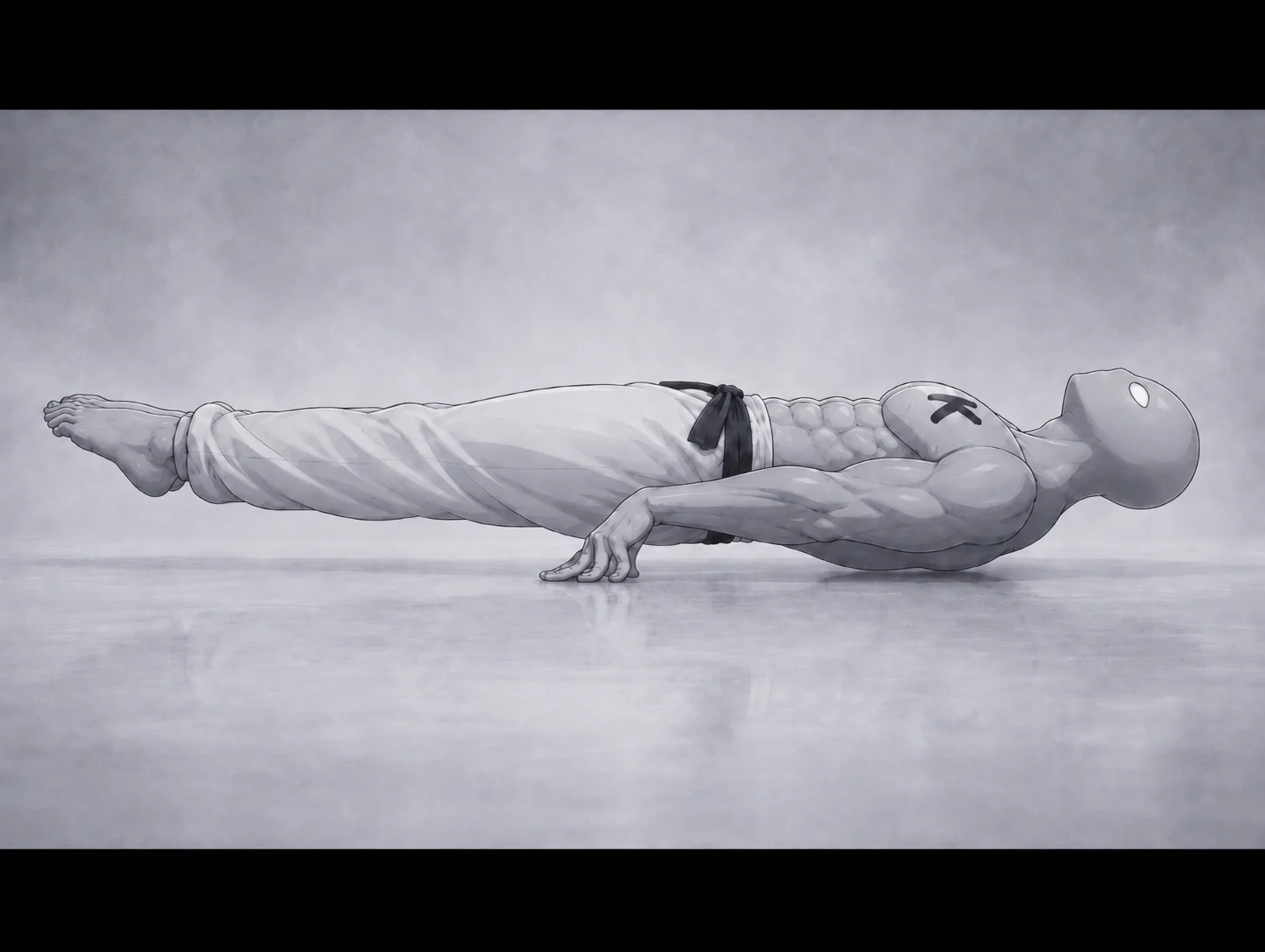
The term dragon press is not standardized across every training resource. This article defines an operator-defined product variant: a static-floor, supine straight-body hold supported by the upper back and hands at body level. The controlled lift into the position and lowering out of it are entries and exits within this product definition; the hold is scored here in seconds, not repetitions.
Technique
- For this operator-defined product variant, lie supine on a firm, padded surface. Place the hands on the floor beside the hips, with the arms at body level, and choose a hand and finger position that lets the hands press securely into the floor.
- Brace the trunk, keep the legs together and long, and press through the hands to lift the hips and lower body until the upper back is the only part of the torso left on the floor.
- Establish one straight line from shoulders through hips to feet. Keep the elbows extended for the full variation; use a knee bend or hip fold only as a deliberate shorter-lever preparation, not as the final position.
- Hold that position without changing the support points. The dragon press in this article is the static hold; the lift and lowering phases are only the entry and exit, not repetitions to count.
- Lower with control, then reset. End the attempt when the body line, hand pressure, or upper-back contact cannot be maintained.
Preparation
The operator-defined prerequisite is the dragon flag. Within this operator-defined product variant, a tuck or deliberately shortened lever can be used before extending the legs. This is a conservative coaching inference rather than a tested prerequisite rule: increase body length only while the prescribed support points and body line remain stable for the intended hold.
Risks
Use a surface that keeps the upper back comfortably supported and leaves the neck relaxed. Build the position without bouncing into it, and do not continue an attempt once the support shifts or the position becomes uncomfortable. A tucked or shorter-lever version is the practical way to reduce the demand while learning the same static support pattern.
Muscles
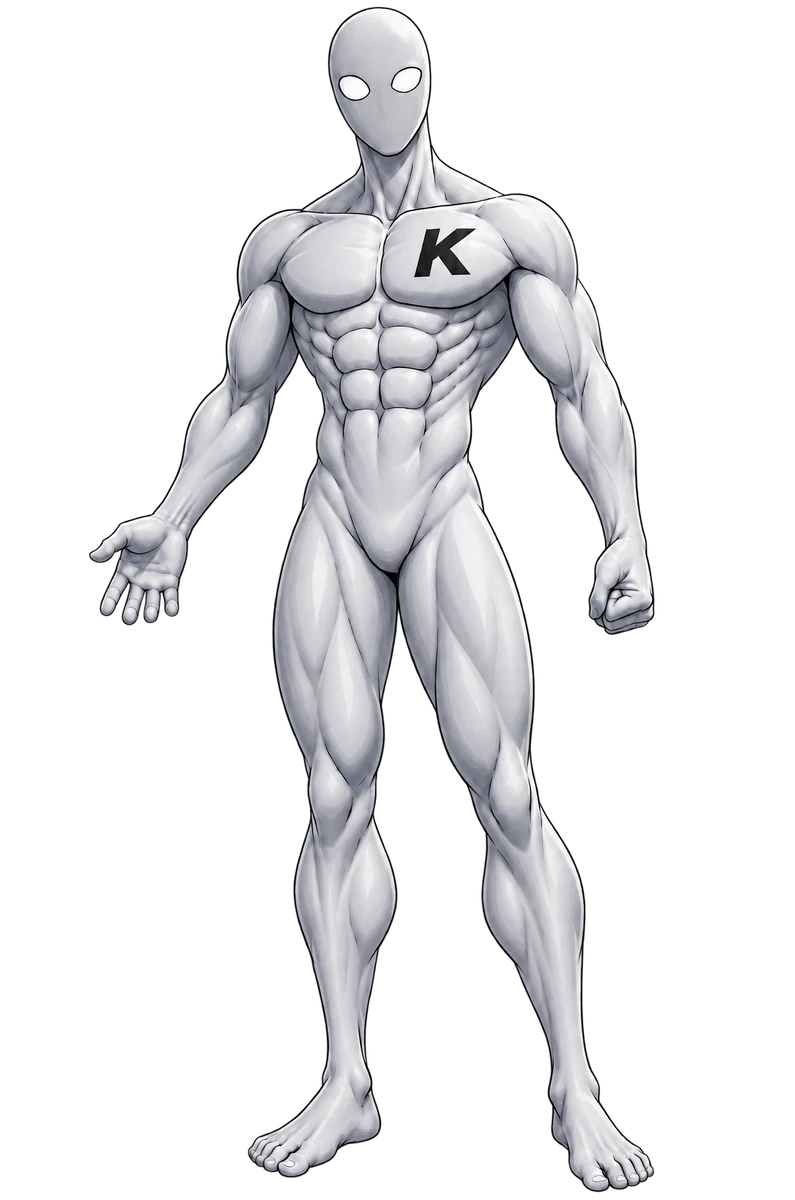
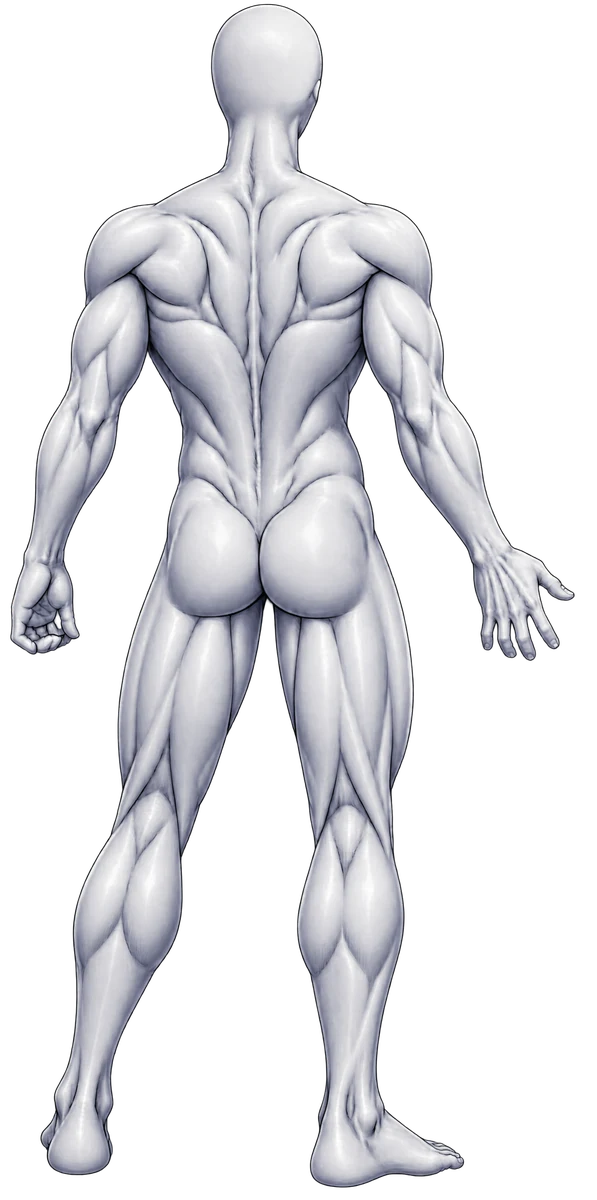
For this operator-defined product configuration, the muscle roles below are conservative biomechanical inferences, not dragon-press-specific measurements: the core, glutes, and quadriceps are estimated to help maintain the prescribed long body line; the shoulder, triceps, and forearm entries reflect the hand-supported position; and latissimus and lower back are conservative stabilizer estimates. The displayed intensities are product estimates, not dragon-press EMG measurements.
Stats
- Strength
- 0.00
- Control
- 0.00
- Endurance
- 0.00
- Balance
- 0.00
- Mobility
- 0.00
- Power
- 0.00
The stat-weight rationale is a conservative biomechanical inference for this operator-defined product variant: strength is estimated as dominant for the long body lever, and control for keeping the prescribed support points and body line fixed. Endurance increases with hold duration; power, mobility, and balance are supporting demands. These weights are product calibration estimates, not laboratory measurements.
Completion criteria
Demonstrate the full static position with hands beside the hips, the upper back as the floor contact, and a continuous straight body line. For this product, a 10-second hold is the working mastery estimate rather than a universal sport standard.
Progression thresholds
- Lower threshold
- 3 s
- Upper threshold
- 10 s
The 10-second upward and 3-second downward checkpoints are product-calibration estimates, not universal standards. They calibrate continued work on this static-floor variant only and do not establish a named successor as the next progression. Below 3 clean seconds, shorten the lever and rebuild the static position before increasing difficulty.