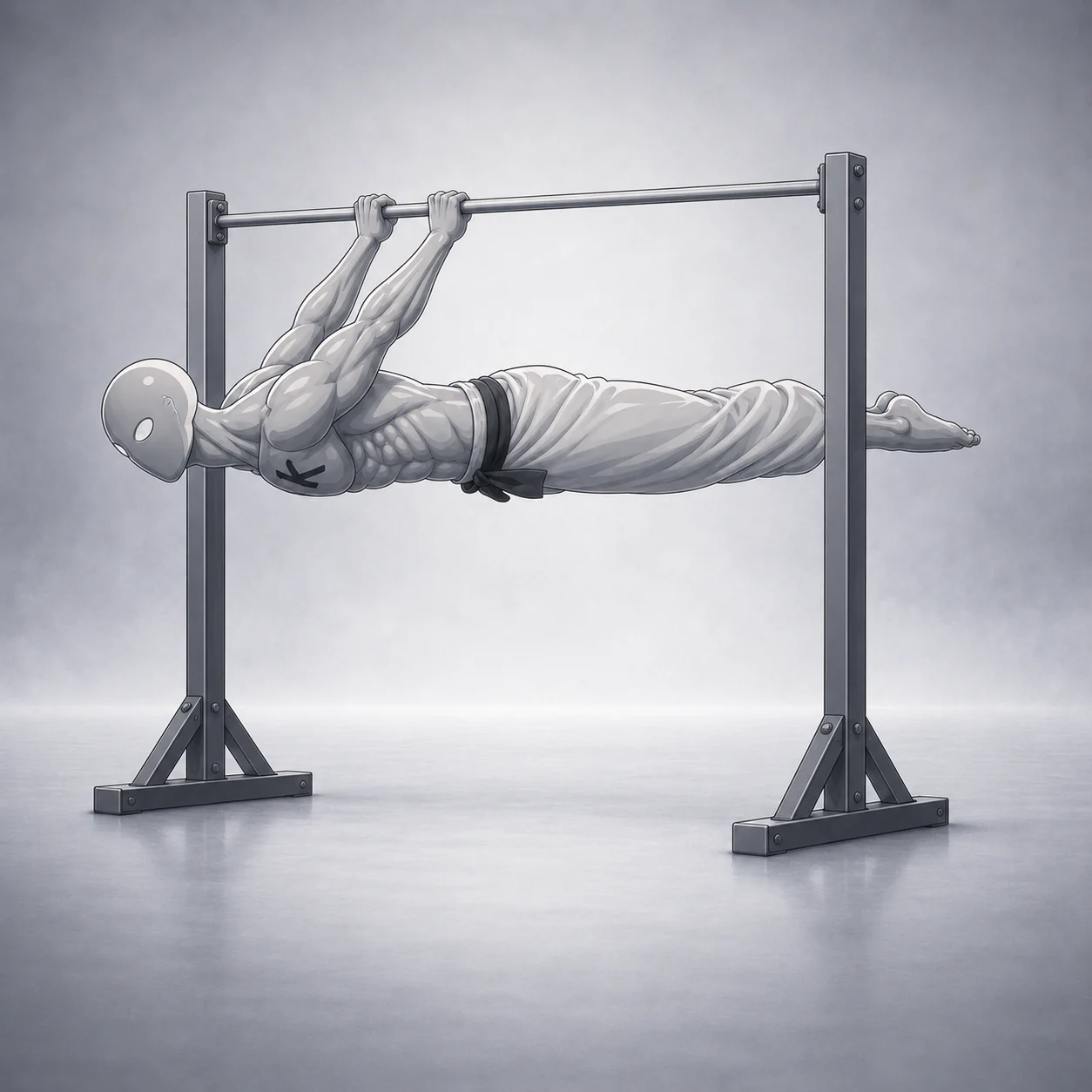
The back lever is a straight-arm, straight-body static hold performed face-down and inverted relative to a normal hang: shoulders, hips, and ankles line up parallel to the floor while the arms stay locked at your sides. It is one of the first serious static strength skills taught in gymnastics-based calisthenics, and a solid full back lever builds the shoulder flexibility, scapular control, and connective-tissue resilience that later straight-arm skills — including the iron cross and combination holds like the 360° pull — are built on.
Technique
- Start from an inverted hang or skin-the-cat position on a pull-up bar or rings, with a supinated (palms-toward-you) grip.
- Slowly lower your body backward, actively tensing the pectorals, latissimus dorsi, and front of the shoulders to control the descent instead of dropping into position.
- Stop when your body is fully horizontal: shoulders, hips, knees, and ankles in one straight line, legs together and toes pointed.
- Keep the scapulae depressed and neutral — avoid rounding the chest (protraction) or arching the back (retraction).
- Squeeze the glutes, hamstrings, quads, and core to keep the whole body rigid; gently pull the hands toward the hips to lock the shoulder position.
- Hold with a neutral head position and steady breathing, then reverse the same controlled path back up to the inverted hang.
Preparation
The back lever is trained as a long progression rather than attempted directly: tuck, then advanced tuck, then straddle or half-layout/one-leg-out positions, before the legs come together into the full horizontal line. Grip matters throughout — a supinated (palms-toward-you) grip recruits more of the biceps and improves tolerance in the elbow's connective tissue for the later stages, but it takes time to adapt to and should be introduced gradually via German hang and skin-the-cat drills rather than loaded straight into a full hold.
Before attempting the full back lever, you should be comfortable holding the tuck and straddle (or half-layout) variations with clean scapular positioning — depressed and neutral, without rounding the chest or arching the back — since these faults simply get harder to fix the longer they persist.
Risks
The back lever loads the elbow with the forearm supinated and the arm held almost fully extended under constant isometric tension. A video-analysis study of distal biceps tendon ruptures found the tendon fails most often in exactly this position — supination combined with 0–10° of elbow flexion — and that the injurious contraction is typically isometric rather than eccentric. Build up the supinated grip gradually through German hang and skin-the-cat conditioning, keep the biceps actively tensed during the hold to protect the tendon, and stop the session if you feel sharp or persistent elbow pain rather than pushing through it.
At the shoulder, the most common technique fault is letting the chest round and the shoulders hunch forward, which reduces tension quality and can be reinforced into later straight-arm skills if left uncorrected. Work with a mirror, camera, or a partner to check body alignment. If your hip flexibility is limited, wider straddle-based progressions can trigger hip-region cramping; back off before you lose position rather than fighting through a cramp.
Muscles
- Latissimus Dorsi0%— show exercises
- Chest0%— show exercises
- Shoulders0%— show exercises
- Biceps0%— show exercises
- Core0%— show exercises
- Glutes0%— show exercises
- Forearms0%— show exercises
- Hamstrings0%— show exercises
- Trapezius0%— show exercises
- Lower Back0%— show exercises
- Hands0%— show exercises
- Quadriceps0%— show exercises
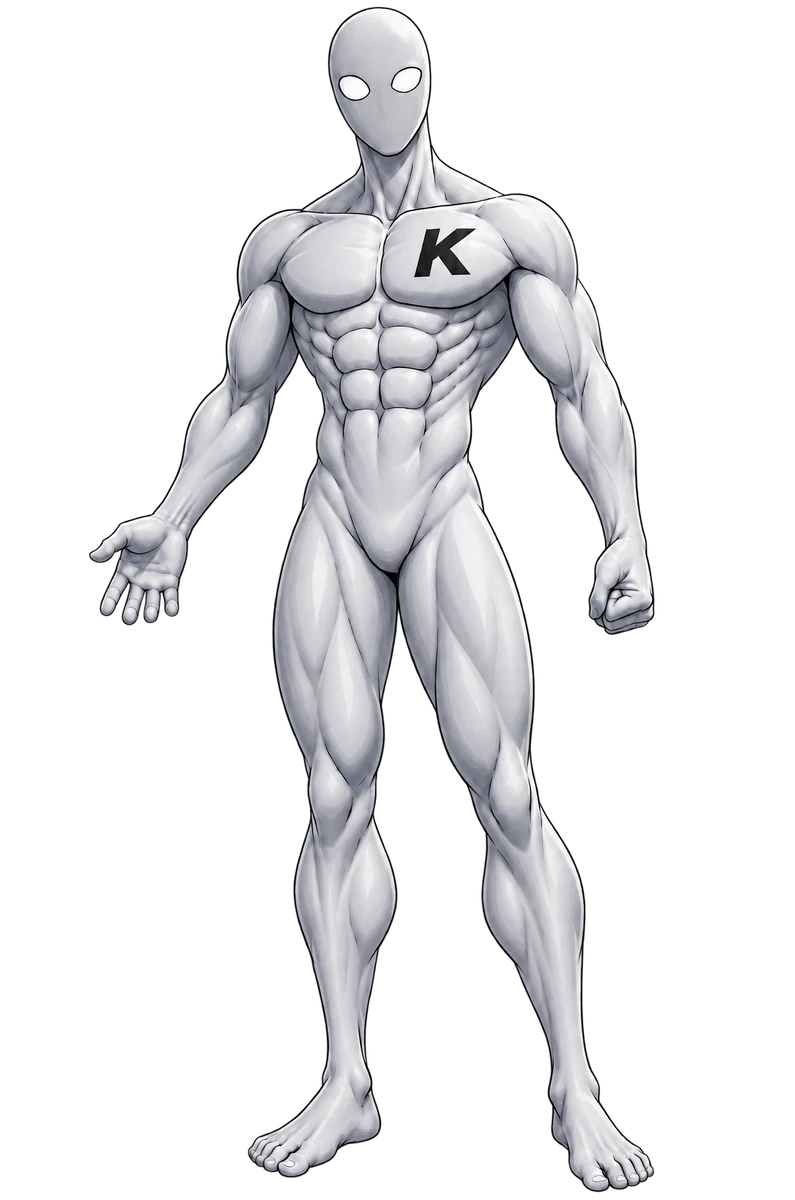
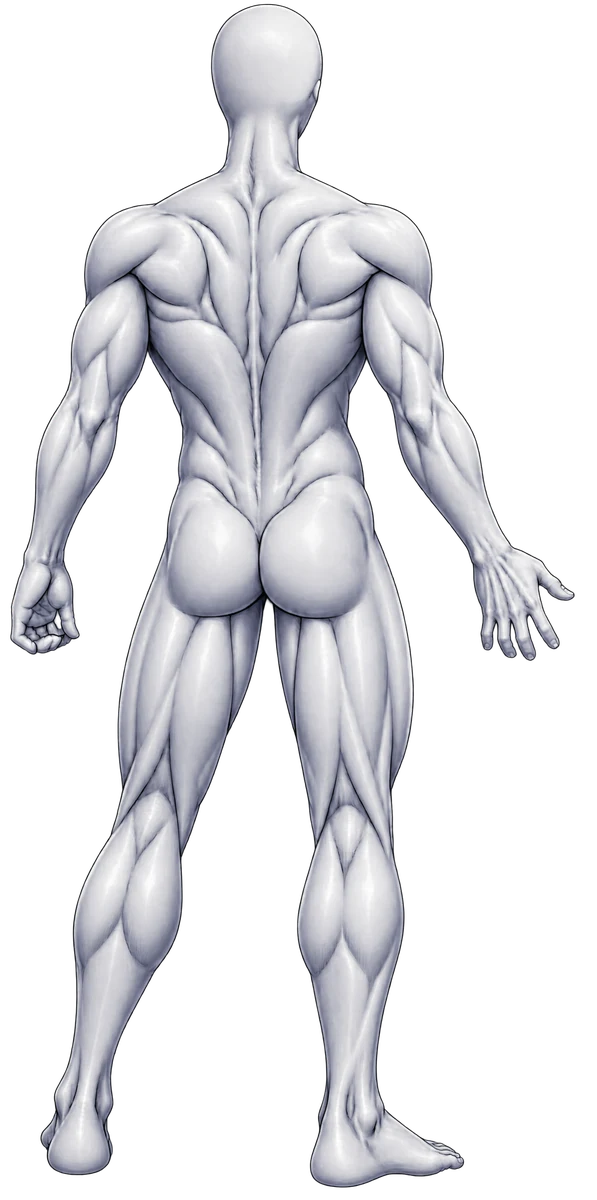
Holding the body horizontal against gravity is driven mainly by the latissimus dorsi and chest, which pull the shoulders into extension and keep the torso from swinging back toward a normal hang. The biceps and anterior shoulders work hard isometrically to keep the elbows extended and stable under a supinated grip, which is also why elbow connective tissue is the main injury concern for this skill. The core, glutes, hamstrings, and quads all stay maximally tense to keep the body one rigid line, while the forearms, hands, and trapezius handle grip and scapular stabilization.
Stats
- Strength
- 0.00
- Control
- 0.00
- Endurance
- 0.00
- Balance
- 0.00
- Mobility
- 0.00
- Power
- 0.00
This is a total-body isometric strength hold, so strength dominates the profile. Because form quality depends on precise scapular and body-line control rather than raw force alone, control is the clear secondary stat, with endurance third for sustaining the hold. Balance, mobility, and power play only minor supporting roles.
Completion criteria
Hold a straight-body, legs-together back lever — shoulders, hips, knees, and ankles in one line, scapulae depressed and neutral — for the target time below without the chest rounding, the lower back arching, or the knees bending.
Progression thresholds
- Lower threshold
- 6 s
- Upper threshold
- 15 s
Once you can hold a clean full back lever for the target time above, you have the base to move on to dynamic straight-arm pulling work such as back lever pullouts or combination holds like the 360° pull. If you cannot yet hold the position cleanly for the lower threshold, drop back to the straddle or one-leg-out back lever and rebuild time there before retrying the full position.