Element preview
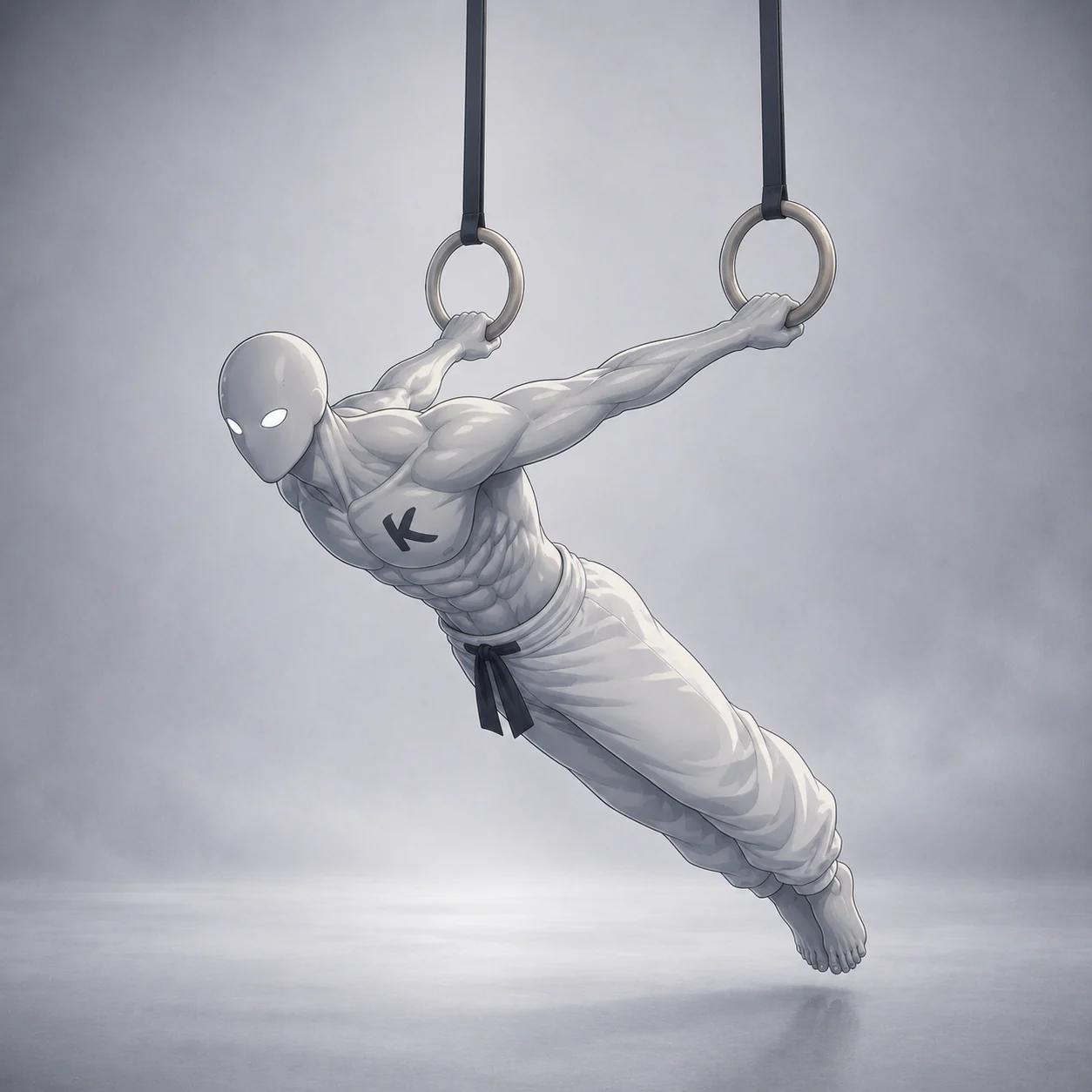
Preview · 0:08
A short look at the whole element in motion.
This is an overview clip, not a technique reference — the form in it may be imperfect. Follow the steps in Technique.
The 360* pull is a full, controlled ring rotation. One repetition follows a single continuous cycle—hang → inverted hang → German hang → inverted hang → hang—passing through the front-lever line on the way out and back. It is a dynamic straight-arm strength skill, not a swinging trick. The goal is to keep a continuous body line while the shoulders and scapulae manage changing leverage around the entire circle.
Because the movement joins the front-lever pull to inverted hang with the German-hang pullout, it belongs after competent front and back levers. Use it to connect those abilities under control, rather than to substitute momentum for either prerequisite.
Technique
- Set the rings high enough for a clear, controlled hang and take a secure grip. Begin from a still straight-arm hang with your body braced.
- Depress and retract the shoulder blades, then pull the straight body through the front-lever line toward an inverted hang. Keep the elbows locked and avoid folding at the hips.
- From the inverted hang, lower behind the hands into German hang. Keep the shoulder girdle actively organized rather than trying to hold one fixed scapular position, and let the shoulder angle open only as far as you can control without pain; do not drop into the stretch.
- Initiate the return by actively pulling out of German hang. Bring the shoulders back to a controlled inverted hang, then lower through the front-lever line to the starting hang.
- Count that sequence—hang → inverted hang → German hang → inverted hang → hang—as one repetition. Keep the rings quiet, the arms straight, and the body line continuous throughout the full circle.
Preparation
Equipment and conditions
Gymnastic rings hung from a stable overhead anchor, with enough clear space to rotate safely below and behind the hands. Use a height that lets you dismount without jumping from a deep German hang. This is an advanced ring-strength drill: start only after a thorough shoulder and elbow warm-up and with a grip that remains secure when inverted.
Build the component skills separately before combining them. A full front lever teaches the pulling line from hang toward inversion; a full back lever and pike skin the cat build familiarity with the shoulder-extension side of the circle. Start 360-pull practice in a tight tuck or pike and with bent arms if necessary, then increase the lever only when the bottom position and pullout remain smooth.
The most demanding point is usually the pull out of German hang. Work it as a separate, assisted range first and retain enough room below the rings to release safely if your grip fails. A clean full cycle looks deliberate from the initial hang through the final hang; repeated kicks, a collapsing hip angle, or a sharp change in ring swing mean the current variation is too difficult.
Risks
This movement combines straight-arm pulling with a deep shoulder-extension position. Do not force depth in German hang or use a large swing to pass the weak range; reduce the range, bend the arms in an easier progression, or stop when control is lost.
Do not train through sharp, catching, or persistent shoulder or elbow symptoms. Work with a qualified clinician before returning to loaded hanging if you have a current upper-limb injury, instability, or an unresolved pain problem.
Muscles
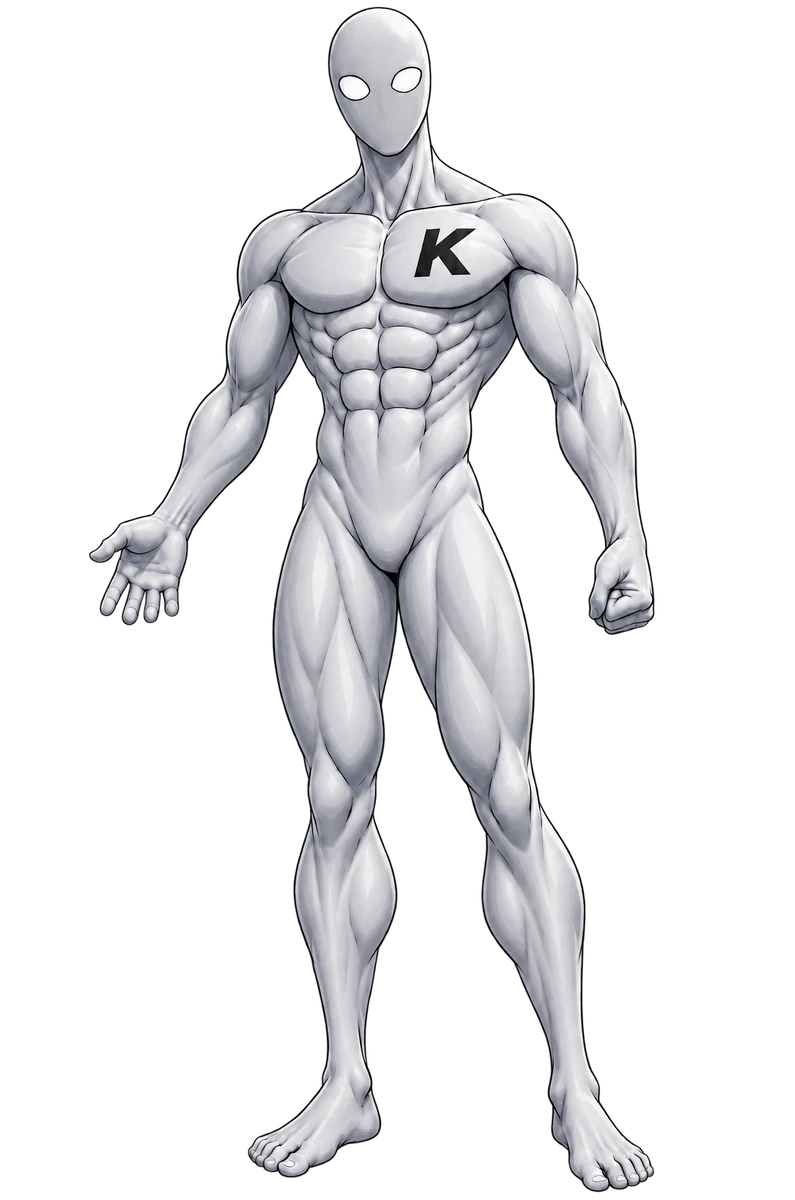
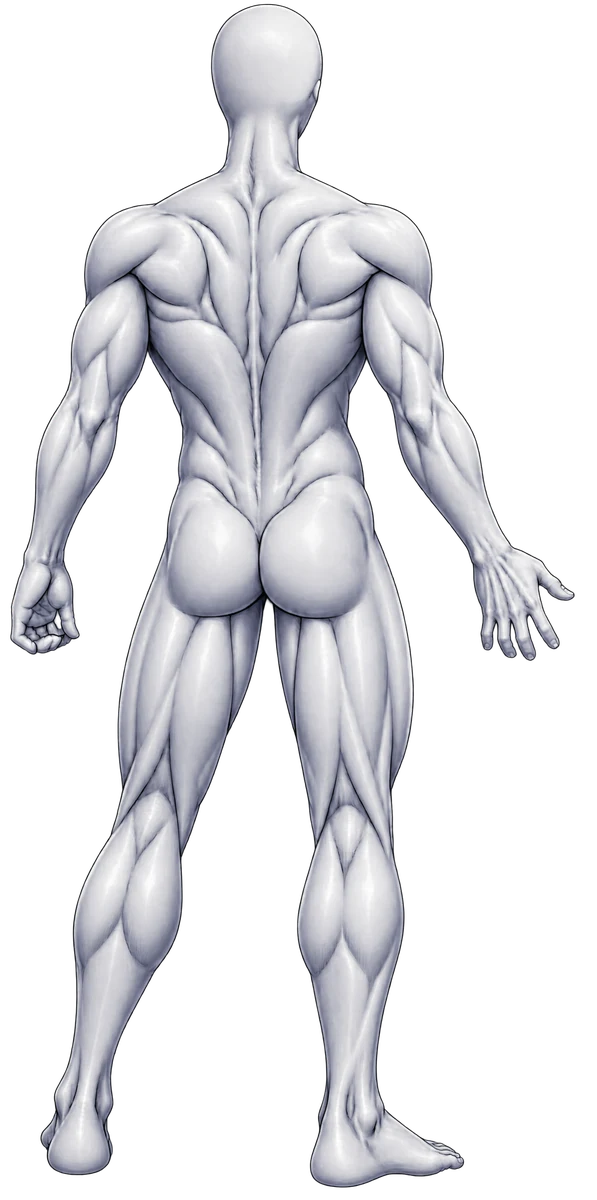
- Latissimus Dorsi0%— show exercises
- Shoulders0%— show exercises
- Core0%— show exercises
- Chest0%— show exercises
- Biceps0%— show exercises
- Glutes0%— show exercises
- Trapezius0%— show exercises
- Forearms0%— show exercises
- Lower Back0%— show exercises
- Quadriceps0%— show exercises
- Hamstrings0%— show exercises
- Hands0%— show exercises
The lats, chest, and shoulders produce and control the large shoulder movements around the circle, while the biceps and forearms keep the straight arms and grip organized under traction. The core, glutes, quads, hamstrings, and lower back make the body a rigid lever instead of allowing the hips to fold; the trapezius helps organize the changing scapular position. The percentages are product estimates for this straight-body ring version, not EMG measurements.
Stats
- Strength
- 0.00
- Control
- 0.00
- Mobility
- 0.00
- Endurance
- 0.00
- Balance
- 0.00
- Power
- 0.00
Strength is the dominant demand because the athlete must pull a long body through mechanically weak angles. Control is the main secondary quality: the scapulae, shoulder range, and ring swing must be managed continuously. Mobility is meaningful because German hang is part of every repetition, while endurance, power, and balance are supporting demands rather than the point of the skill.
Completion criteria
Product mastery calibration: perform 3 smooth, straight-arm full-cycle repetitions on rings. Each repetition is hang → inverted hang → German hang → inverted hang → hang, passing through the front-lever line without a hip break, uncontrolled drop, significant ring swing, or pain.
Progression thresholds
- Lower threshold
- 1 reps
- Upper threshold
- 3 reps
The thresholds are conservative product calibration estimates for this dynamic skill, expressed as full-cycle repetitions. Reach three clean hang → inverted hang → German hang → inverted hang → hang repetitions before progressing to a longer body position or more volume. If you cannot make one controlled full cycle, return to tuck or pike 360 pulls and isolated German-hang pullouts until the range is again active and smooth.